
Are foldable smartphones on their way to becoming mainstream? Right now, they make up only a small slice of phone sales, but experts believe that could change quickly. Falling prices and smarter engineering have paved the way for phones with flexible screens and improved multitasking. Shipment numbers suggest we’ll see a boost in availability in just a few years. In this post, we take a closer look at how these trends could transform everyday mobile use and offer a richer experience for everyone.
Future of Foldable Smartphones: Market Forecast and Innovation Roadmap
Foldable smartphones are quickly moving from a niche idea to something many people can use. Right now, only about 1.6% of phones sold in 2023 are foldables, but experts expect that number to rise to 5% by 2028. Price drops, like Tecno’s model now costing less than $1,000, and faster innovation cycles mean more buyers can enjoy these devices sooner. Analysts even predict shipments could jump by 50% year-over-year by 2026.
| Year | Shipments (millions) | Penetration (%) |
|---|---|---|
| 2023 | 20 | 1.6 |
| 2025 | 30 | 3.0 |
| 2026 | 45 | 4.0 |
| 2028 | 60 | 5.0 |
Increasing production will help lower costs and boost new tech features. This means buyers can look forward to more affordable phones with bigger, flexible screens and better multitasking abilities. With rapid advances in technology and shifting market trends, foldable smartphones are set to offer a richer and more integrated user experience sooner than many expect.
Engineering Breakthroughs Shaping Future Foldable Smartphones
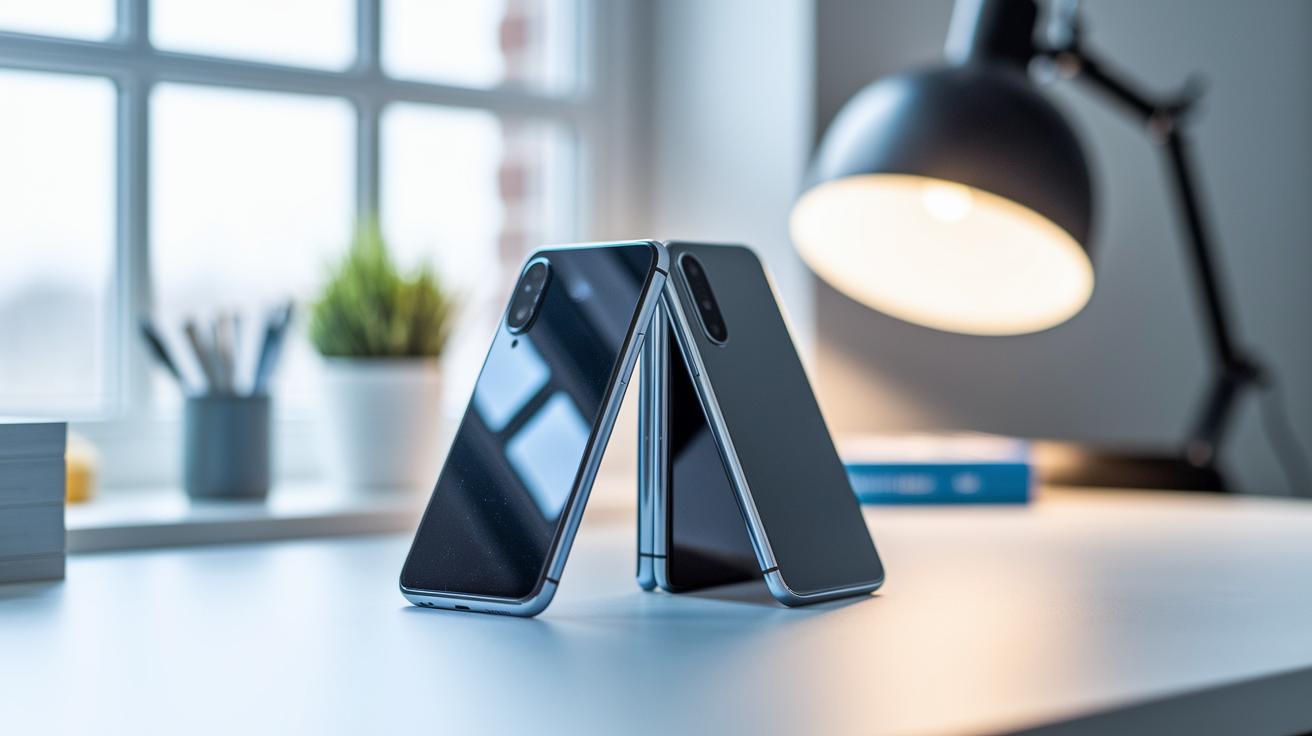
Foldable smartphones once belonged to a future of science fiction, but now they are practical devices built for everyday use. Engineers are hard at work making these gadgets even better by designing slimmer, lighter, and tougher screens. They have improved hinge designs that let the phone bend many times without hurting the display. By using new materials like polymers (a type of sturdy plastic) and composite panels, these phones weigh less yet stand up well to daily folding. What used to be experimental ideas are now part of real devices that mix smart engineering with modern style.
Key innovations include:
- Ultra-thin glass protective layers that keep the screen clear and scratch-free.
- Advanced multi-axis hinge mechanisms for smooth, reliable movement.
- Polymer-based fold panels that lower weight and boost durability.
- Flexible battery modules that help designers use space wisely while keeping power strong.
- Composite frame designs that offer both strength and light handling.
These advances do more than just sound impressive on paper. Thin glass layers protect your screen without adding bulk, and the improved hinges make opening and closing the phone feel natural and effortless. The use of polymer panels means the device is lighter and better at handling daily use. Flexible batteries allow for creative designs without sacrificing battery life, and composite frames add a sense of sturdiness without making the phone heavy. All these improvements work together to make foldable smartphones more reliable and enjoyable for everyday tasks like multitasking, watching videos, or staying productive on the go.
Software Evolution for Next-Gen Foldable Smartphones
Tomorrow's foldable smartphones are set to change how your apps work together. Their operating systems now support multiple window modes, letting you run apps side by side just like on a tablet. The interface smoothly adjusts as you move from a folded to an unfolded state, almost as if you're using a desktop on your phone.
Behind the scenes, automated software updates help make your experience even smoother. These updates quietly refine the interface, ensuring transitions are seamless and reducing glitches when switching between apps. They also streamline your workflow, so you can begin a task in one app and easily pick it up in another.
AI-powered camera software takes things a step further. It keeps an eye on your device's angle and whether it's folded or open, fine-tuning the imaging settings on the fly. This smart adjustment means your photos always come out clear and optimized, no matter how you hold your phone.
Future Foldable Smartphones versus Traditional Models
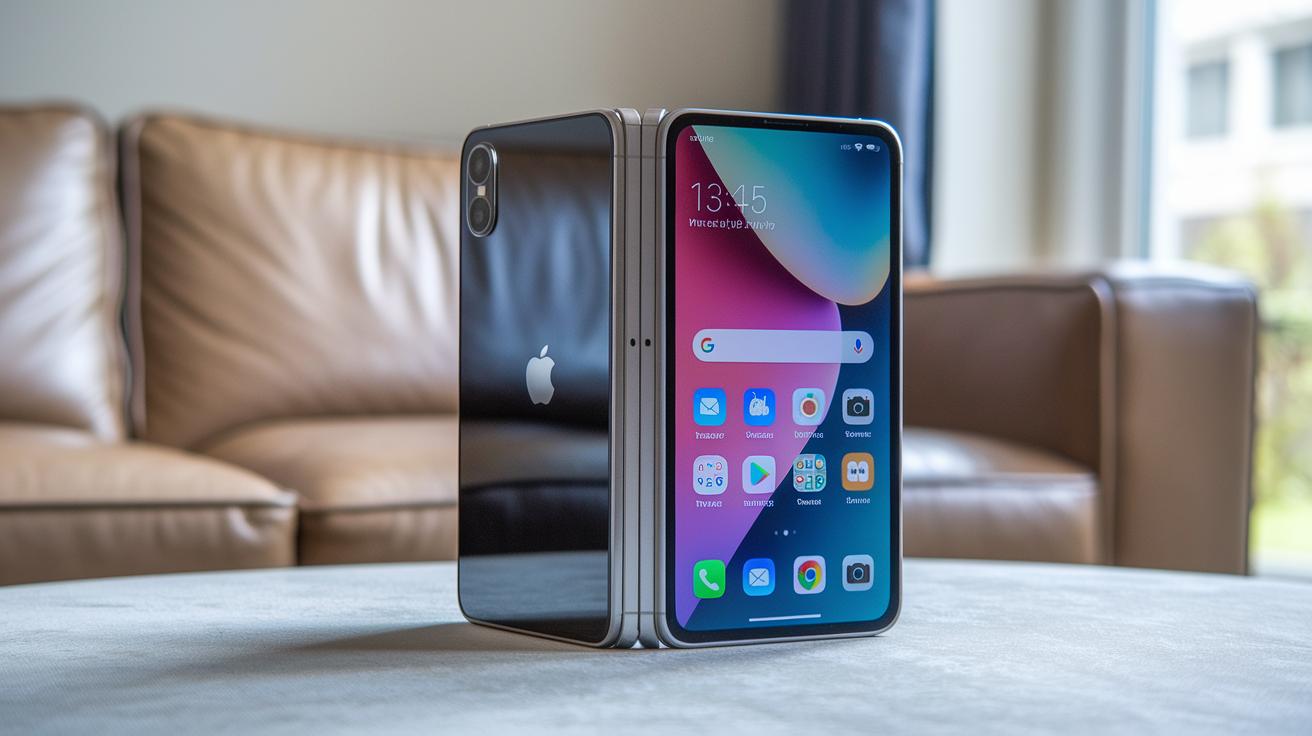
Foldable smartphones bring a fresh twist to our everyday devices by combining a typical phone’s ease with a tablet’s big screen. They cleverly switch between a compact form that fits nicely in your pocket and a larger display when you need more space. Some models fold like a clamshell for simple portability, while others open like a book to give you a wider view. This smart design blurs the line between smartphones and tablets, giving you the best of both worlds.
These devices make daily tasks easier with their flexible design. Unlike standard phones, where the screen stays the same size, foldables let you change modes in an instant. Need to edit a document, join a video call, or simply browse the web? The extra screen space can handle it all with clearer visuals and smoother interactions. This means that whether you're working or relaxing, you get an experience that feels more engaging than what a normal phone offers.
What’s more, foldable smartphones are great for multitasking. They let you use split-screen modes so you can watch videos, check emails, and use productivity apps all at once. This kind of flexibility is a big step up from classic phones, where you often have to choose one app at a time. With their improved performance in streaming, multitasking, and productivity, these gadgets are setting new standards for mobile work and play.
Key Industry Players Driving Future Foldable Smartphones
Major brands are pushing the limits of foldable smartphones by blending breakthrough features with smart pricing. They mix high-end innovation with value-focused builds, setting up these devices to be part of everyday tech for many users.
Samsung keeps its lead with the Galaxy Z Series. Models like the Galaxy Z Fold 7 and Z Flip 7 combine premium design with advanced hinge technology and bright, detailed displays. In short, they deliver top performance and striking looks in one package.
Google also makes a strong case with the Pixel Fold. It packs solid hardware with smart software enhancements, including an IP68 water resistance rating that protects the device in wet conditions. This phone uses AI to simplify daily tasks, raising the bar for what a foldable phone can do.
The Motorola Razr series brings a fresh spin on a classic design. With a nod to nostalgia and competitive pricing, the Razr offers a stylish update for those who appreciate both retro vibes and modern technology. Check out the Motorola Razr foldable smartphone for more details.
Chinese brands like Honor, Vivo X Fold 5, Oppo, and Huawei focus on lighter designs and longer battery life while keeping costs low. Their devices provide modern features without the premium price tag, making them a great choice for buyers looking for value.
All these companies use clever pricing and smart design to capture more of a market that is growing fast. They combine innovative features with practical costs to attract buyers who want advanced technology without paying too much.
Addressing Challenges in Upcoming Foldable Smartphone Designs
Foldable smartphones have come a long way, but they still face some challenges. Manufacturers are working hard to sort out problems like screen durability, high production costs, and software hiccups while exploring new ways to interact with these devices. All these issues will shape how foldable phones look and work in the future.
Durability Challenges
Inside most foldable phones, the screen is protected by a thin plastic layer. This makes it more prone to scratches and signs of stress from constant bending. Even when companies add a layer of ultra-thin glass on the outside, repeated folding can lead to creases and weak spots. Many users notice that these areas are especially delicate, making everyday use a bit tricky.
Pricing Barriers
A big challenge for these devices is the high cost of production. Premium parts and advanced hinges push prices up, and low manufacturing yields make it hard to lower costs. The end result is that many models end up too expensive for most buyers, which limits how widely this promising technology is adopted.
Software Adaptation
On the software side, things haven't fully caught up with the innovative hardware. Many operating systems and apps still struggle with smooth transitions between folded and unfolded modes. This can lead to delays and clunky interactions when switching tasks, making the overall user experience less refined.
Manufacturers are ramping up their testing efforts and sticking to strict industry standards to tackle these issues. By investing in tougher resilience tests, new durability metrics, and refined design checks, they aim to ensure that future foldable smartphones meet both performance expectations and industry benchmarks.
Emerging Applications and Use Cases for Future Foldable Smartphones
Foldable smartphones are shaking up our work routines. Their larger screens let you video conference, edit documents, and run several apps at once without missing a beat. In busy offices, you can line up multiple apps side by side so checking emails, joining meetings, and managing projects becomes a breeze. Imagine having a spreadsheet open next to a video call, all without the need for an extra monitor.
These devices also open the door to cool virtual and augmented reality uses. Their big displays support AR overlays that help with navigation and interactive store demos. This means you can easily get real-time directions or product details while you shop, blending digital cues with the real world seamlessly.
Entertainment gets a fun upgrade too. The flexible design offers visuals that rival a console or home theater. Whether you're gaming during intense moments or kicking back with your favorite shows, the enhanced screen creates an immersive experience that transforms how you enjoy movies, games, and more on the go.
Final Words
In the action, we tracked market forecasts, innovative hardware breakthroughs, and adaptive software upgrades shaping today's foldable devices. We examined dynamic adoption trends, global market dynamics, and postlaunch performance metrics that promise ever-improving user experiences.
These insights help define the future of foldable smartphones. With enhanced durability, more responsive interfaces, and competitive pricing strategies, manufacturers are paving the way for a more practical and exciting era. The path ahead looks promising for both everyday users and tech enthusiasts.
FAQ
Future of foldable smartphones 2025
The future of foldable smartphones in 2025 signals a shift toward mainstream designs with enhanced durability and affordability, paving the way for a broader consumer base and smoother multitasking experiences.
Upcoming foldable phones 2026
Upcoming foldable phones in 2026 promise refined designs and improved performance through innovations in hinge technology and display durability, boosting everyday productivity and entertainment value.
Upcoming foldable phones 2025
Upcoming foldable phones in 2025 are set to introduce accessible innovations with cost reductions and enhanced screen technology, offering users versatile devices that merge compactness with expanded functionality.
Best foldable phones 2025
The best foldable phones in 2025 feature advanced ultra-thin protective screens and robust hinge systems that deliver smooth transitions between compact and expanded modes, ideal for multitasking and media consumption.
Samsung Fold phones 2025
Samsung Fold phones in 2025 aim to lead the market by incorporating state-of-the-art multi-axis hinge mechanisms and improved screen durability, setting high standards in both performance and design.
Are foldable phones the future
Foldable phones appear to be the future as they successfully blend enhanced screen real estate with portability, offering users practical benefits from improved productivity to immersive viewing experiences.
Samsung’s bet on the future of smartphones
Samsung’s bet on the future of smartphones is evident through its focus on pioneering foldable designs that merge innovative hardware with seamless user interfaces, ensuring a forward-thinking approach to mobile technology.
Foldable smartphone Huawei
Huawei’s foldable smartphone developments combine competitive pricing with advanced lightweight materials and improved durability, reflecting the brand’s commitment to competing strongly in the evolving foldable market.
Why is Gen Z buying dumb phones
Gen Z’s interest in dumb phones highlights a desire for simplicity and focus, as these devices offer essential functions without the distractions and complexities of modern smartphones, appealing to those seeking a balanced lifestyle.
Are flip phones going to be obsolete soon
Flip phones are unlikely to become obsolete soon since they continue to offer a compact, easy-to-use experience that appeals to users looking for straightforward communication tools and a break from feature-rich smartphones.
Will the smartphone disappear in 5 years
The smartphone is not expected to disappear in 5 years; rather, it will evolve to include flexible and advanced features while remaining a central tool for communication, productivity, and entertainment.
What is the next foldable phone in 2026
The next foldable phone in 2026 is anticipated to integrate faster performance, enhanced battery technology, and improved screen durability, marking a continued evolution in design and functionality for everyday users.