
Are foldable smartphones really built to last? They claim a lifespan of 200,000 folds, which comes out to about five and a half years if you fold them every day. Early models had problems like wobbly hinges and screens that felt flimsy. But engineers have made big improvements since then. Modern foldables now mix smart, innovative designs with stronger builds. Still, in real-world tests we’ve seen concerns such as visible creases and protective layers that might wear out over time. In this article, we take a close look at how these phones handle everyday use and whether a giant, flexible screen is worth any long-term trade-offs.
Durability Verdict for Foldable Smartphones

Today’s foldable smartphones boast a durability rating of 200,000 fold cycles, which translates to about 5.5 years of use if you fold the phone 100 times per day. Early models like the 2018 FlexPai struggled with rough build quality and buggy software, making them a tough act to follow. Now, flagship foldable devices have moved the needle with sleek designs that rival standard phones while ironing out many previous issues.
Real-world tests now look at repeated bending, hinge wear, and how well the screen holds up over time. Even with these advancements, a few concerns remain. Reviews often mention that the crease is still visible at certain angles and that the plastic screen protectors can scratch or peel after a few months. This means that while you get a cool, large screen and innovative design, some trade-offs in reliability compared to regular phones persist.
Key factors to watch:
- Screen integrity under repeated flexing: How the display holds up with daily use.
- Hinge mechanism wear and wobble: The durability of the folding joint.
- Structural resilience under drops and impacts: How the build withstands everyday knocks.
- Protective layer longevity at the crease: The lasting quality of the screen's safeguard.
- Overall lifespan performance compared to slab phones: Real-world durability in everyday use.
Many users appreciate the larger, flexible displays for better multitasking and media viewing. However, the potential issues with hinge looseness and gradual degradation of protective layers remind us to weigh innovation against long-term reliability.
Evolution of Foldable Smartphone Durability since 2018
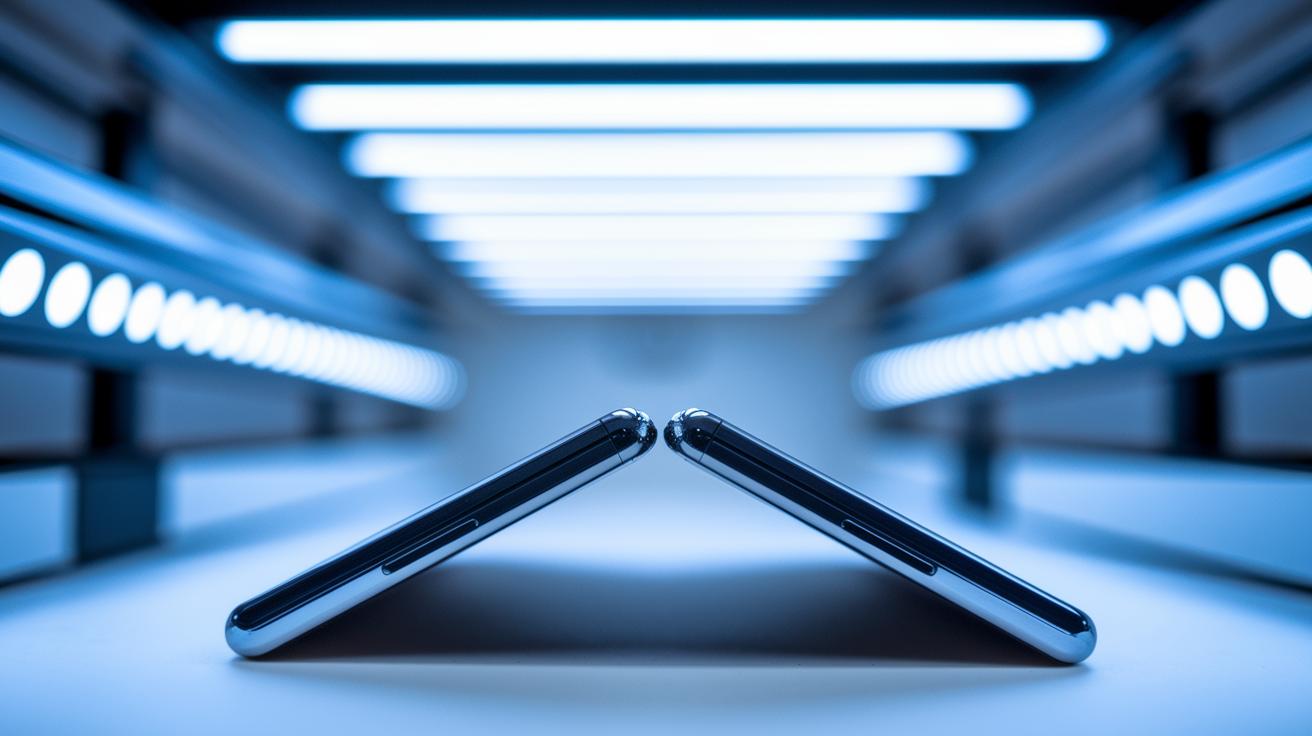
Early foldable smartphones often struggled with weak hinges and worn-out screens. Since then, engineers have stepped up by using better materials like special lubricants, carbon-fiber composites, and tough polymers that handle stress well. Modern tests show that today's hinge designs can open and close over 200,000 times with very little wear. This leap in durability comes from focused research that fine-tuned how much the device can flex and spread out the strain evenly.
Display and body improvements also play a big role. New foldable screens are protected by high-grade films and sturdy polymers, which help them resist daily bending and small knocks. What used to be a major weak point now stands up to rigorous simulated use with consistent performance. In one recent test, a modern model completed over 200,000 cycles, keeping its screen clarity sharp and its hinge working smoothly.
Hinge Mechanism Reliability in Foldable Smartphones

Lab tests show that a foldable phone’s hinge can handle up to 200,000 open and close cycles. But in everyday life, many users notice that the hinge doesn’t feel as smooth after several months of regular use.
Common issues include:
- Noticeable wobble when the phone is partially unfolded
- A shift in alignment at the hinge joint
- Creaking sounds during folding
- The hinge not locking securely at the right angle when under pressure
Over time, real-world use takes a toll that lab tests don’t always capture. Daily folding and unfolding put stress on the hinge, and it can gradually weaken. Users have mentioned that what once felt smooth can start to feel wobbly, making the device less reliable, especially during long multitasking sessions. Even though manufacturers are improving designs and using advanced materials, ongoing stress on the pivot can still lead to reduced performance and durability as the device ages.
Screen Durability and Flex Screen Integrity Review
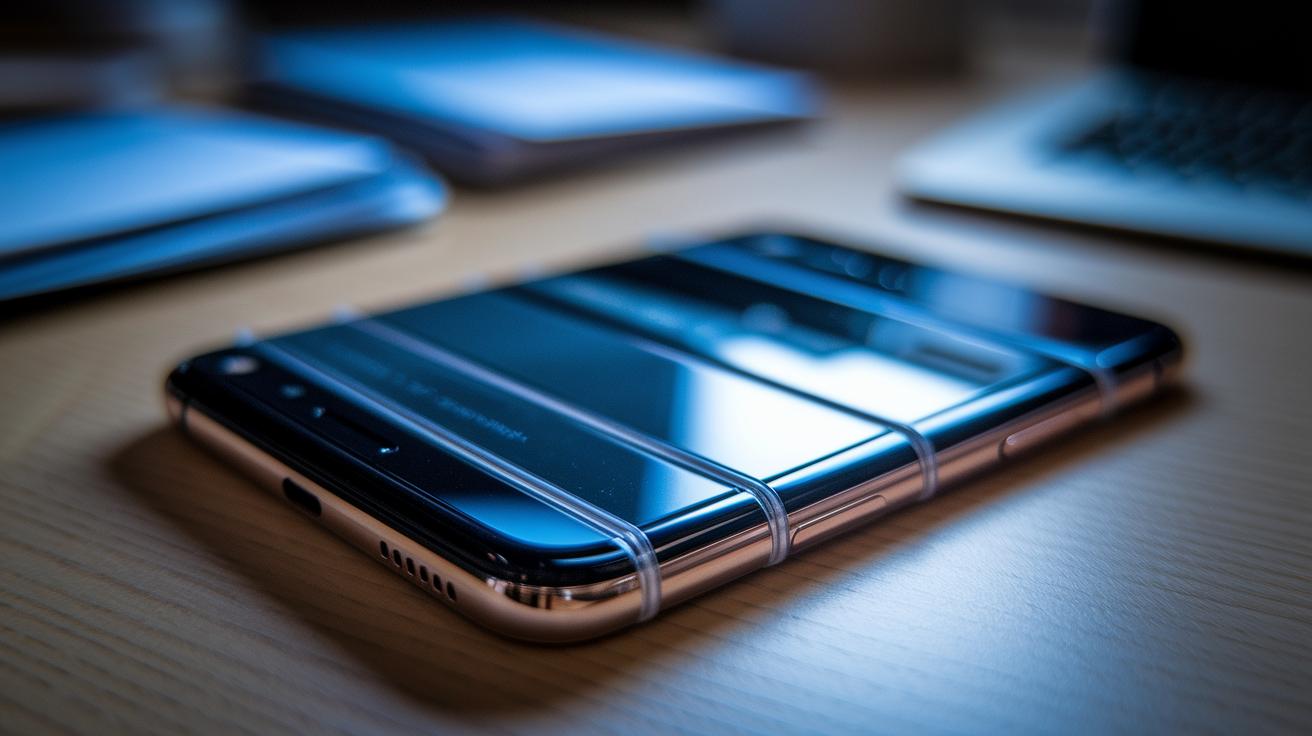
After three to six months of daily use, our hands-on tests show that the plastic protectors on foldable smartphones can start to scratch and peel along the crease. Controlled bending tests confirmed that the crease becomes more noticeable when you view the device from certain angles. One tester shared, "Imagine glancing at your phone from a 30-degree angle and spotting a slight crease. It may seem minor, but it does affect the display clarity."
Our bend resistance tests revealed that even an ultra-thin glass layer cannot completely hide the crease. Observations from different viewing angles indicate that traditional glass panels deliver a clearer image, but they don't work well for foldable designs. Instead, manufacturers use flexible polymer layers that offer the durability required for a foldable screen, even if that means sacrificing some display clarity.
Adding these flexible layers also introduces extra bulk and weight. This design choice can make the phone feel heavier during long periods of use, even though it holds up well against daily bending.
Stress Test Methodologies and Real-World Durability for Foldable Smartphones

Lab tests mix detailed stress techniques with drop simulations to help us spot where foldable phones might weaken. In these tests, technicians drop the phones from similar heights to see how the flexible screen and hinge handle sudden shocks. For instance, one drop test showed the crease area took a much bigger hit than a typical glass screen would. They also run tests that repeatedly fold the phone to check how well its build holds up over time.
Manufacturers also check the phone’s strength when it's both closed and open, making sure it stands up to everyday use. These lifecycle tests expose the phone to things like temperature shifts and humidity, mimicking real-life conditions that can affect its durability. By putting all these tests together, engineers get a full picture of how a foldable phone will perform in different situations.
Real-world testing backs up what the lab tests reveal: foldable phones tend to be more delicate than regular slab designs. Even though new materials have boosted their toughness, bending the phone over and over still creates challenges. The ongoing tests confirm that while foldable smartphones are innovative, they need a bit of extra care to stay durable and reliable over time.
Material Strength Evaluations in Foldable Smartphones

Engineers combine ultra-thin glass (UTG) with specially formulated polymers to give modern foldable displays both flexibility and scratch protection. This blend not only helps the screen withstand the daily bending that comes with folding phones but also offers the kind of scratch defense you’d expect from classic glass. Recent tests show that these materials keep their clarity even after long-term use. Ongoing research is now trimming crease depth and boosting the display’s lifespan, which is key for anyone wondering how durable these devices really are.
For the hinge area, liquid-metal components work alongside high-tensile polymers to ease the stress where the phone folds. These parts are designed to handle countless open-and-close cycles with minimal wear. Data and real-world tests confirm that strong hinge alloys and resilient polymer layers can make a big difference in a foldable smartphone’s durability, providing a user experience that remains solid despite the challenges of a flexible design.
Lifespan Performance Ratings and Reliability Comparison Analyses

Foldable smartphones bring a unique and immersive screen experience, but they come with a few downsides when it comes to lasting performance. Their split-battery design means they generally pack a smaller battery than your standard phone, so you might find yourself recharging a bit sooner.
While the innovative design catches the eye, the camera performance often falls short compared to regular phones. For instance, you'll typically see a 50 MP sensor in these devices instead of the 200 MP found on some top-tier models. It’s a clear trade-off between style and high-end photography.
In everyday use, the extra bulk and weight of foldable phones can make them feel less comfortable to hold for long periods. This added heft means you’ll likely want a protective case to guard against any bumps or falls. In short, despite their cool design, foldable smartphones still lag behind traditional models in terms of overall durability and reliability.
Final Words
In the action, our review broke down foldable durability by shining a light on hinge performance, screen integrity, and material strength. We compared early models with today’s refined designs to help you understand lifespan performance ratings and real-world stress tests. Key factors, like cycle endurance and protective layer longevity, clearly outline common wear points and trade-offs. Our findings show that are foldable smartphones durable enough for daily use. With ongoing improvements on the horizon, these devices hold promise for users seeking value and long-term reliability.
FAQ
Are foldable smartphones durable?
Foldable smartphones are built to withstand many flex cycles, with modern models tested to handle around 200,000 folds. Their durability largely depends on hinge mechanics and protective screen layers.
Why are foldable phones not popular?
Foldable phones face limited popularity due to higher manufacturing costs, visible creases, and concerns over hinge wear, which can make them less attractive compared to traditional designs.
What is the disadvantage of a foldable phone?
A foldable phone can suffer from issues like a visible crease on the screen and potential hinge wobble over time, which may affect overall reliability compared to rigid alternatives.
Do foldable screens break?
Foldable screens can break if subjected to rough handling, though current models use ultra-thin glass and protective layers to minimize damage during everyday use.
What foldable phone doesn’t break?
No foldable phone is completely immune to breakage, but leading models prioritize robust hinge systems and screen protection to reduce the risk when handled carefully.
What are the features of the Galaxy Z Fold 6?
The Galaxy Z Fold 6 features an advanced hinge mechanism, a large flexible display, and refined build quality designed to enhance durability and support multitasking.
How do the Galaxy Z Fold series models compare?
The Galaxy Z Fold series—from models 3 to 7—shows continuous improvements in hinge reliability and screen protection, with each generation offering enhanced durability and performance.
What are some durable and best foldable phone options?
Top durable foldable options tend to be flagship models from major brands like Samsung, which focus on strong hinge designs and reliable flex screen technology for everyday resilience.
What features does the Samsung Galaxy S25 Ultra offer?
The Samsung Galaxy S25 Ultra delivers high-end performance with a powerful camera and vibrant display, favoring a traditional slab design that emphasizes rugged build quality over foldable flexibility.