
Ever wish your phone could do more than just make calls? In 2025, foldable smartphones bring together smart design and solid performance that fits right into your busy day. They work as both a phone and a mini tablet, giving you extra screen space when you need it without carrying two devices. These phones come with strong hinges and fast processors to keep up with juggling apps or capturing important moments. In this article, we compare five top models to help you find a foldable phone that suits both your budget and lifestyle.
Foldable Smartphone Comparison Overview
Foldable smartphones in 2025 mix creative design with solid performance and user-friendly features. These devices offer more than a smartphone, they can double as a tablet, and they feature hinges built to handle hundreds of thousands of folds. Under the hood, powerful processors keep the device responsive whether you're juggling multiple apps or snapping high-quality photos. Here, we take a close look at five top models designed to fit different lifestyles.
- The Samsung Galaxy Z Fold 7 holds a strong appeal with its 8.0" inner display and 6.5" outer screen. Its Snapdragon 8 Elite processor and 200 MP camera deliver smooth productivity, making it a great choice for power users. Price: $1,999.99 on Samsung 5G Smartphones.
- The Motorola Razr Ultra catches the eye with its 7.0" pOLED inner screen and a compact 4.0" external display. Add rapid charging and IP48 water resistance, and it's a hit for those wanting style and durability at $899.99.
- The Samsung Galaxy Z Flip 7 impresses with a sleek, gap-free design and dual displays, a 4.1" outer screen and a 6.9" inner display. Powered by the Exynos 2500, it offers a fresh flip experience for $1,099.99.
- The Google Pixel 10 Pro Fold combines a neat 8.0" inner display with the dependable Android 16 interface and Tensor G5 processor. With an IP68 rating, it's built for reliability and finesse, available at $1,499.00.
- The Motorola Razr (2025) stands out as a budget-friendly solution that doesn’t skimp on performance. It offers a 6.9" inner display and a strong 4,200 mAh battery that can last over 21 hours. Its compact design and efficient performance come in at $599.99.
These quick snapshots help you find a flex phone that fits your budget, lifestyle, and needs.
Foldable Smartphone Design and Hinge Engineering

Foldable smartphones come in two main styles that suit different needs. Book-style phones like the Galaxy Z Fold 7 and Pixel 10 Pro Fold open up to reveal a tablet-sized 8.0″ screen, perfect for multitasking and enjoying media. Clamshell-style phones such as the Galaxy Z Flip 7 and Razr Ultra/Razr 2025 collapse into a compact shape that fits easily in your pocket, yet they still give you a fully functional display when you open them. This range of designs means you can choose a device that fits your everyday use.
The hinge is a key part of both styles. For instance, the Z Fold 7 impresses with a slim profile of just 0.35″ thick and weighs 7.58 oz. Meanwhile, the Z Flip 7 offers a smooth, gap-free fold that makes opening it feel natural. Durability is also strong, with Samsung rating its hinges for about 200,000 folds and the Razr Ultra pushing up to 400,000 folds. Lighter hinge assemblies, built-in screen guards, and better crease control all help keep the phone reliable over time. These advances mean you enjoy a design that is slim, light, and easy to carry without giving up everyday performance.
Performance and Battery Life in Foldable Smartphones
Foldable smartphones rely on their chipsets for performance. The Galaxy Z Fold 7 uses the Snapdragon 8 Elite, which makes multitasking fast and offers smooth 5G connections. The Galaxy Z Flip 7 runs on the Exynos 2500, ensuring the phone stays responsive even when many apps are open. In contrast, the Pixel 10 Pro Fold is powered by the Tensor G5, providing reliable everyday performance. Meanwhile, the Razr 2025 uses the Dimensity 7400x to strike a balance between processing power and energy efficiency.
Battery tests mixed scripted web browsing, YouTube streaming, and 3D gaming at fixed refresh rates of 60Hz or 120Hz in a room lit to 200 lux. Each device started with a fresh OS install and identical network conditions, so the comparisons were fair. This setup helped us see both how efficient each phone is with power and how well they handle 5G data under steady use.
In head-to-head endurance tests, the Razr Ultra’s battery really stood out. The Razr 2025, with its 4,200 mAh battery, easily lasted more than 21 hours under mixed use. Both the Galaxy Z Fold 7 and Galaxy Z Flip 7 delivered strong battery performance and offer quick-charging features that reduce downtime. The Pixel 10 Pro Fold also impressed, thanks to software tweaks that balance performance with battery life for those who demand more from their devices.
Camera Systems and Stabilization on Foldable Smartphones

The Galaxy Z Fold 7 features a 200 MP primary camera with optical image stabilization, plus a versatile set of lenses that capture sharp details even in dim light. Meanwhile, the Galaxy Z Flip 7 comes with dual 12 MP cameras that work together to boost exposure and contrast for clear, balanced photos. Together, these innovations set a new standard for foldable smartphone photography.
It’s not just about big sensors, though. The Pixel 10 Pro Fold uses its Tensor G5 chip teamed up with Gemini Live AI to make real-time tweaks. This means your shots are quickly refined for clarity, even in fast-paced moments. A built-in gimbal stabilizer also helps reduce blur, making it easier to record steady videos during dynamic scenes.
These smart features extend to video and augmented reality too. The Razr Ultra, for example, uses a flexible camera module that activates in under a second, letting you capture smooth video while on the go. Its larger 8.0-inch inner screen is finely tuned to improve AR overlays, rendering interactive experiences that feel more natural and engaging. Whether you’re a casual snapper or a seasoned pro, these enhancements make every moment look its best.
Durability and Reliability of Foldable Smartphone Displays and Hinges
Foldable smartphones go through strict tests to show they can tackle everyday use. Some models handle around 200,000 folds, while others, like the Razr Ultra, can manage close to 400,000 folds. These numbers give you a clear idea of how much wear the hinge and display can take over time.
Water resistance is another big part of durability. For example, the Pixel 10 Pro Fold sports an IP68 rating, which means it stands up well against dust and water. Meanwhile, the Razr Ultra comes with an IP48 rating, meaning it can handle short splashes but isn’t built for long water exposure. This information is key if you’re looking to invest in a long-lasting foldable phone.
| Device | Fold Rating | Water Resistance | Hinge Material | Warranty Coverage |
|---|---|---|---|---|
| Galaxy Z Fold 7 | ~200k | IPX8 | Reinforced Alloy | 1 yr |
| Galaxy Z Flip 7 | ~200k | IPX8 | Reinforced Alloy | 1 yr |
| Razr Ultra | ~400k | IP48 | Metal Composite | 1 yr |
| Pixel 10 Pro Fold | Undisclosed | IP68 | Composite Alloy | 1 yr |
Keeping your foldable phone in top shape is all about care. Adding a shock-absorbent case and a screen guard can protect it from bumps and accidental drops. The build uses materials like ultra-thin glass and polymer guards with metal alloys, which are made to last but still need some gentle handling. It also helps to check your phone regularly for any odd hinge sounds or early creases on the display. And since official repairs usually cost more than third-party fixes, reviewing your warranty and repair options is a smart idea for the long haul.
Pricing Breakdown and Value Analysis of Foldable Smartphones
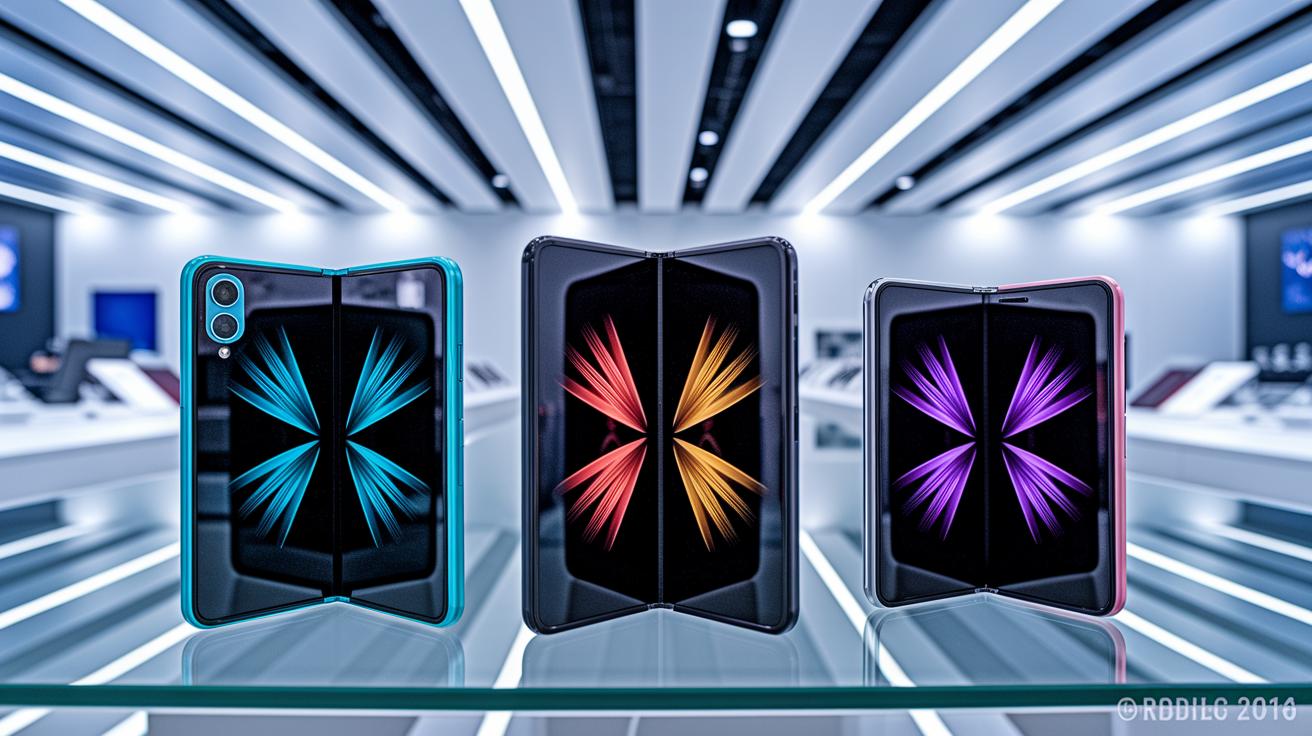
Foldable smartphones span a wide range of prices, offering different levels of tech and style. The Galaxy Z Fold 7 is at the premium end for $1,999.99, packed with high-end features for the serious user. If you prefer a compact design with a trendy flip mechanism, the Galaxy Z Flip 7 comes in at $1,099.99. For those who want a mix of performance and style without breaking the bank, the Razr Ultra is priced at $899.99, while the Pixel 10 Pro Fold is available for $1,499.00, aimed at users who value an advanced camera and strong processing power. The Motorola Razr (2025) is our most budget-friendly option at $599.99, perfect for anyone looking to jump into foldable tech without a steep cost.
Discounts and trade‑in offers add extra appeal to these prices. For example, the Galaxy Z Fold 7 includes a bundle that takes $520 off its listed price, plus a $120 free storage upgrade and an additional $400 discount through Instant Savings. When you add in trade‑ins, you could save as much as $1,120. Likewise, the Pixel 9 Pro Fold comes with a 16% discount, saving buyers $279. These deals are especially attractive if you’re ready to upgrade from an older device or want some extra perks.
In the end, it comes down to weighing features against your budget. Premium models deliver the latest innovations and a smooth foldable experience, while options like the Razr (2025) let you explore foldable technology without missing out on essential functionality. For more budget‑friendly choices, check out the Affordable 5G Smartphones section.
Software Features and Multitasking in Foldable Smartphones
Foldable smartphones change the way you use tech every day by blending work and play effortlessly. With features like Samsung Flex Mode and One UI multi-window, you can easily move apps between the inner and outer screens. This setup means you can switch quickly from sending emails to watching videos without losing your spot.
The Pixel 10 Pro Fold steps things up with Android 16 adaptive UI, which keeps your video, email, and web browsing flowing smoothly between screens. Split-view multitasking lets you run two apps side by side, and drag-and-drop makes moving content between screens hassle-free. This approach ensures that both older and newer apps perform well on the big, flexible display.
Enhanced gesture navigation adds another layer of simplicity. A quick swipe takes you from one app to another, and moving items between windows feels smooth and natural on the large panels. Together, these software improvements create an experience where multitasking isn’t just possible, it’s efficient and reliable.
Future Trends and Next-Gen Prospects for Foldable Smartphones
Rumors are swirling that big changes are coming to foldable smartphones. There’s talk that Apple could launch a foldable iPhone with an ultra-thin OLED screen and a magnetic hinge, a move that might shake up the market. Meanwhile, OnePlus is said to be working on an open-view design that uses gallium nitride in its hinge to boost both durability and style. These hints show that top brands are doubling down on innovation as they gear up for a big wave of flexible devices in 2025 and beyond.
New materials and smarter hinge designs are paving the way for the next generation of mobile gadgets. Early prototypes from Oppo and Xiaomi suggest that crease-resistant flexible panels may soon be a reality, addressing a common worry among users. Additionally, Huawei is experimenting with dynamic displays paired with the Snapdragon 8 Gen 4 (the chip that powers faster performance) to improve both efficiency and endurance. These research breakthroughs signal that future foldable smartphones will not only be tougher but also offer smoother transitions between folded and unfolded modes.
Expect wider adoption by 2026 as prices drop and mid-range foldable options become available. This trend could transform foldable smartphones from exclusive high-end devices into gadgets that more people can enjoy, marking a major shift in how we use mobile tech.
Final Words
In the action, we explored top foldable smartphone models by breaking down their standout specs, design innovations, and price points.
We compared premium choices against budget-friendly picks, discussing display quality, battery endurance, and camera capabilities.
The review offers clear insights into hinge engineering and multitasking software that enhance everyday use.
This detailed guide helps you match performance with your needs and enjoy a solid experience with a flexible foldable smartphone.
FAQ
What is the cheapest foldable phone?
The cheapest foldable phone currently is the Motorola Razr (2025) priced at $599.99, which delivers essential features and solid battery life for budget-minded buyers.
What upcoming foldable phones are set for 2025?
Upcoming foldable phones for 2025 include models like Samsung Galaxy Z Fold 7, Motorola Razr (2025), and others, offering improved displays, enhanced performance, and innovative designs at competitive price points.
Does Xiaomi offer a foldable phone?
Xiaomi is exploring the foldable segment, with upcoming models expected to offer competitive specs and design innovations that challenge established brands in the foldable smartphone market.
How do Samsung foldable phones compare, including the Galaxy Z Fold series?
Samsung’s foldable phones, such as the Galaxy Z Fold series, feature large inner screens and robust performance, with the rumored Galaxy Z Fold 6 expected to refine design elements while building on the strong legacy of the series.
Which foldable phone is best for 2025 and overall?
The best foldable smartphone depends on your needs; the Galaxy Z Fold 7 impresses with its premium design and high-end performance, while budget-friendly options like the Motorola Razr (2025) deliver exceptional value.
Is a foldable phone a good idea?
A foldable phone is a good idea if you want a device that combines a compact form factor with a larger, tablet-like display for multitasking, entertainment, and enhanced productivity whenever needed.
Which is better: flip or fold design?
Flip designs prioritize pocketability with a compact profile, while fold designs offer a larger inner display for productivity; your choice depends on whether you value portability or screen real estate.
Why is the Fold 5 so expensive?
The Fold 5 commands a high price due to its advanced hardware, premium build, and sophisticated hinge engineering, which together lead to higher manufacturing costs that are reflected in the retail price.