
Ever thought about whether your smartphone can keep up with your busy day? Apple’s latest 5G phones deliver speedy performance for everything you do. They stream videos, run games, and handle multiple apps without a hitch. Everyday tasks feel smoother, and you can really notice the difference. With options ranging from budget-friendly to high-end, Apple is raising the bar on what a phone can do. Two standout models deliver performance that challenges what you expect from a smartphone.
Apple 5G Phones Overview: Models, Launch Timeline, and Key Benefits
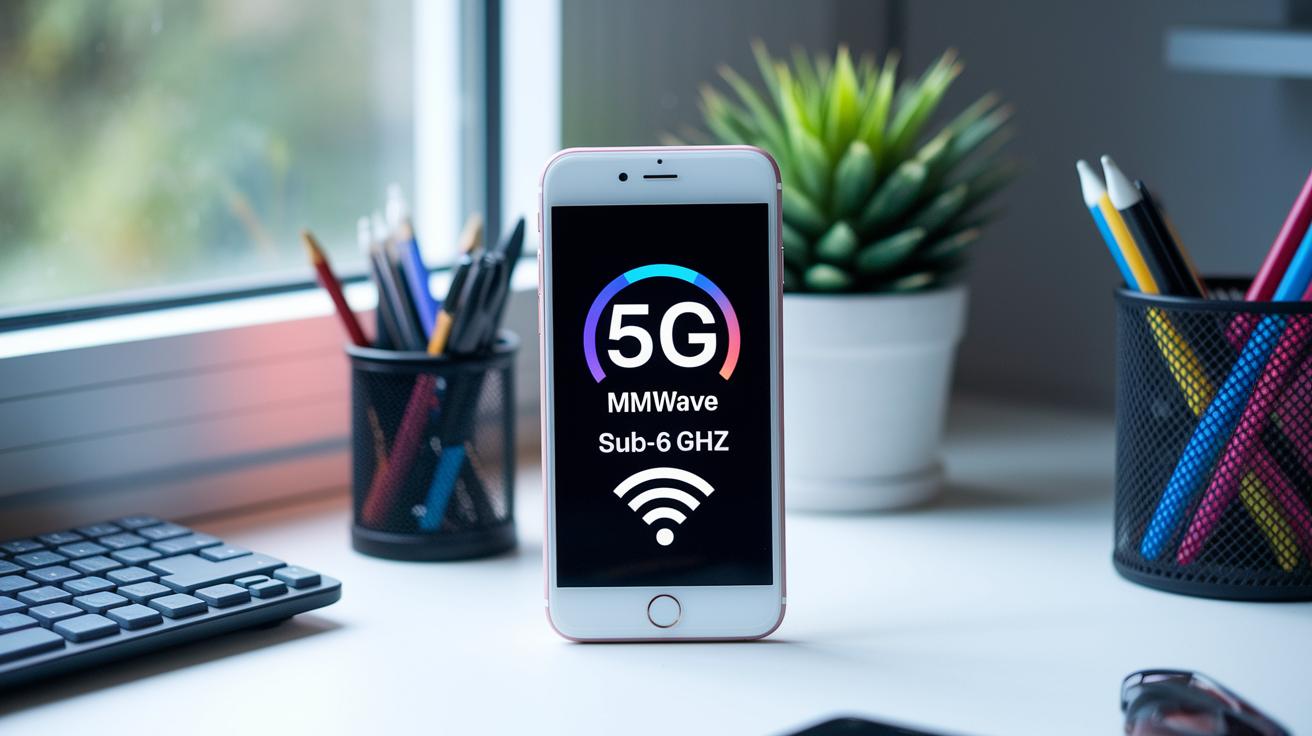
Apple first brought 5G to its lineup with the iPhone 12 series in October 2020. Since then, they have gradually added 5G support across many models, from the budget-friendly iPhone SE (3rd Gen) to the high-end iPhone 14 Pro Max. This steady rollout highlights Apple’s goal to bring faster network speeds to every user.
Apple uses two types of 5G connections: mmWave and sub-6 GHz. Think of mmWave as a super-fast express lane that offers peak download speeds when conditions are perfect, while sub-6 GHz is like a reliable back road that delivers steady performance over a wider area. Together, these bands help boost download speeds, create smoother streaming, and reduce lag.
With the power of 5G, Apple’s devices handle everyday tasks with ease. Whether you’re streaming high-definition videos, gaming, or switching between apps, these phones offer a smooth and responsive experience that makes both work and leisure more enjoyable. This built-in connectivity is a clear sign of Apple’s commitment to keeping up with our fast-paced digital lives.
Apple 5G iPhone Model Range: From iPhone SE (3rd Gen) to iPhone 14 Pro Max
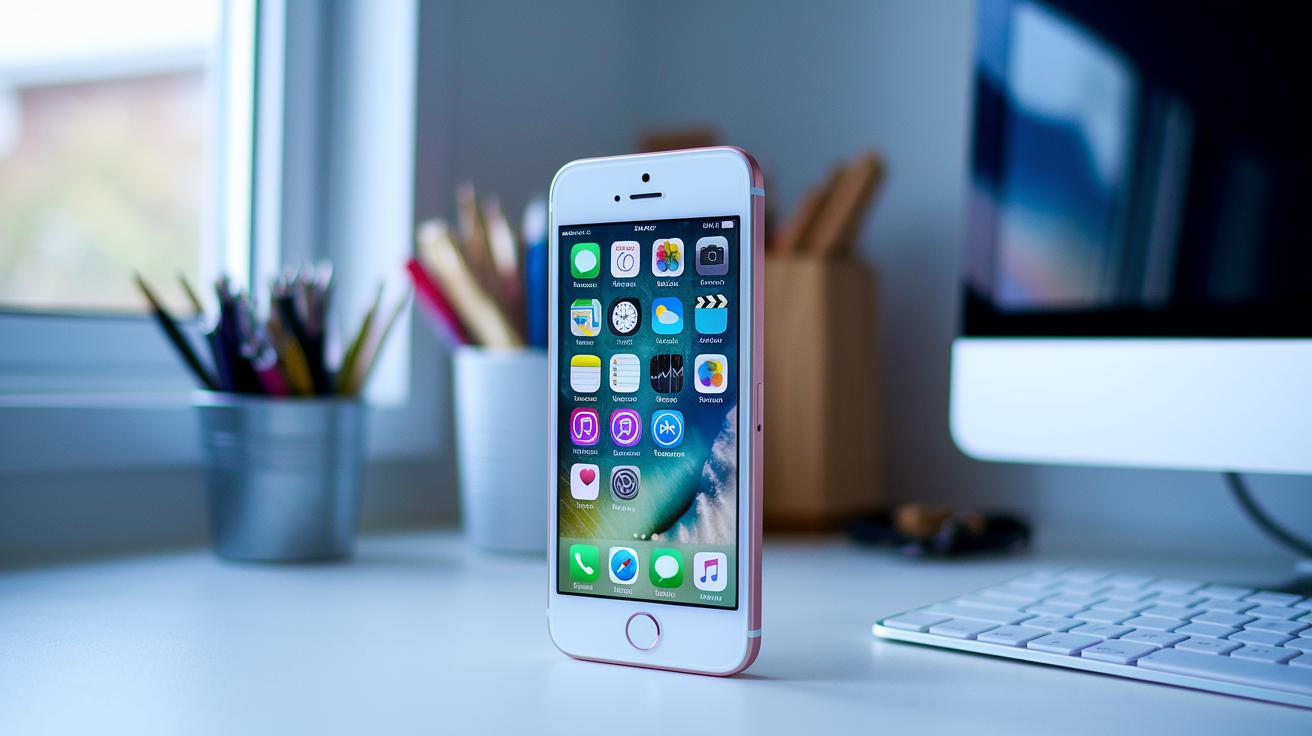
Apple’s 5G iPhones offer something for everyone. From the affordable iPhone SE (3rd Gen) to the premium iPhone 14 Pro Max, each model is built with different needs in mind. They vary in screen size, camera setup, battery stamina, and storage options so you can pick the one that fits your day-to-day.
iPhone SE (3rd Gen)
The iPhone SE (3rd Gen) features a compact 4.7-inch LCD and a single 12 MP camera. It delivers up to 15 hours of video and is a great choice for anyone looking for a simple, budget-friendly phone that still performs reliably.
iPhone 12 and 12 Mini
The iPhone 12 and 12 Mini both have dual cameras and bright OLED displays. The Mini measures 5.4 inches, while the regular iPhone 12 is 6.1 inches. With up to 17 hours of video and storage options ranging from 64 to 256 GB, these models blend style with everyday performance.
iPhone 12 Pro and 12 Pro Max
These models step up the game with a triple-camera system that includes optical zoom and a sleek stainless steel frame. They also offer extended battery life, making them ideal for anyone who loves photography or needs a phone that can handle intensive use.
iPhone 13 Series
Powered by the A15 Bionic chip, the iPhone 13 series takes speed and camera quality to the next level. Standard models can run up to 19 hours of video, and the Mini offers up to 17 hours. It’s a solid upgrade if you want better performance while keeping a reliable battery.
iPhone 14 and 14 Plus
The iPhone 14 and 14 Plus focus on safety and innovation. They include dual Photonic Engine cameras for sharper photos, along with features like satellite SOS and crash detection. They’re designed to provide everyday users with enhanced security and smart photography features.
iPhone 14 Pro and 14 Pro Max
At the top of the range, the iPhone 14 Pro and 14 Pro Max are built for those who need peak performance. With a telephoto lens, a fast ProMotion OLED display, and the standout Dynamic Island, these models deliver a cutting-edge experience for power users.
| Model | Display | Camera | Battery | Storage |
|---|---|---|---|---|
| iPhone SE (3rd Gen) | 4.7″ LCD | Single 12 MP | Up to 15 h video | Budget-friendly |
| iPhone 12 / 12 Mini | 5.4″ / 6.1″ OLED | Dual cameras | Up to 17 h video | 64–256 GB |
| iPhone 12 Pro / 12 Pro Max | OLED | Triple cameras with optical zoom | Extended battery | Varies |
| iPhone 13 Series | OLED | Enhanced camera array | Up to 19 h video | Varies |
| iPhone 14 / 14 Plus | OLED | Dual Photonic Engine | Standard battery | Varies |
| iPhone 14 Pro / 14 Pro Max | ProMotion OLED | Telephoto lens | Optimized battery | Varies |
Technical Specifications and Performance Benchmarks for Apple 5G Phones

Apple started rolling out its powerful 5G chipsets with the A14 Bionic and has built on that in later models. These chipsets handle two types of networks: mmWave and sub-6 GHz. In perfect conditions, mmWave can hit peak download speeds of up to 4 Gbps. On the other hand, sub-6 GHz delivers more steady, everyday speeds between 200 Mbps and 1 Gbps. This means you can stream high-definition videos, have smooth video calls, and download files quickly, even when networks are busy.
Our benchmark tests show that while sub-6 GHz reliably meets daily needs, mmWave can push speeds up to 4 Gbps when conditions are just right. Compared to earlier LTE models, these improvements in speed and latency stand out, giving you a more responsive and efficient experience.
The reduced latency is notable too, with response times improving by about 30–40 ms over LTE. Pro models even sport multi-array antennas that keep the signal strong in challenging conditions. This design is a big plus for gaming, live streaming, and other data-heavy uses.
| Spec | Sub-6 GHz Speed | mmWave Speed | Latency |
|---|---|---|---|
| iPhone SE | 200 Mbps | 2 Gbps | 40 ms |
| iPhone 12 | 400 Mbps | 3 Gbps | 35 ms |
| iPhone 13 | 600 Mbps | 3.5 Gbps | 33 ms |
| iPhone 14 Pro | 1 Gbps | 4 Gbps | 30 ms |
Comparing Apple 5G Phones with Older Models and Competitor 5G Devices

Apple made the jump from LTE to 5G, and the benefits are clear. With 5G, iPhones stream videos, load websites, and download files about 20–30% faster than LTE models. In tests, watching high-definition videos on a 5G iPhone felt noticeably smoother compared to older devices.
When pitted against top-tier Samsung 5G smartphones, Apple’s phones keep up by matching sub-6 GHz speeds under normal conditions. In US tests using mmWave, Apple devices often pull ahead with better peak performance when conditions are just right. These results show that as both ecosystems improve, Apple is quickly closing the gap.
Of course, there are trade-offs. Some models show differences in battery life, and cost is still a big factor for many buyers. Still, the strong Apple ecosystem and smooth integration across devices often make up for these minor issues.
Pricing, Data Plans, and Carrier Support for Apple 5G Phones
When Apple introduced its 5G phones, they offered models at very different price points. The affordable iPhone SE starts at about $429, and the high-end iPhone 14 Pro Max can cost as much as $1,599. There really is something for everyone based on your budget and needs.
In the US, major carriers like Verizon, AT&T, and T-Mobile have set up several unlimited plans specifically designed for 5G. Some plans let you use full-speed data right away, while others may limit data or add extra fees for top-priority 5G speeds. You can choose a plan that suits your daily data use and fits your wallet.
Globally, the story changes a bit. In places like Europe and Asia, many carriers charge extra for priority 5G access. These additional fees cover local network rules and the cost of maintaining the network, so you might end up paying more than what US customers pay.
When you weigh these extra costs against the benefits, upgrading to 5G often proves to be worth it. If you’re someone who streams videos, plays online games, or needs fast downloads, the quicker speeds can really make a difference in your daily experience.
How to Enable and Optimize 5G on Your Apple iPhone
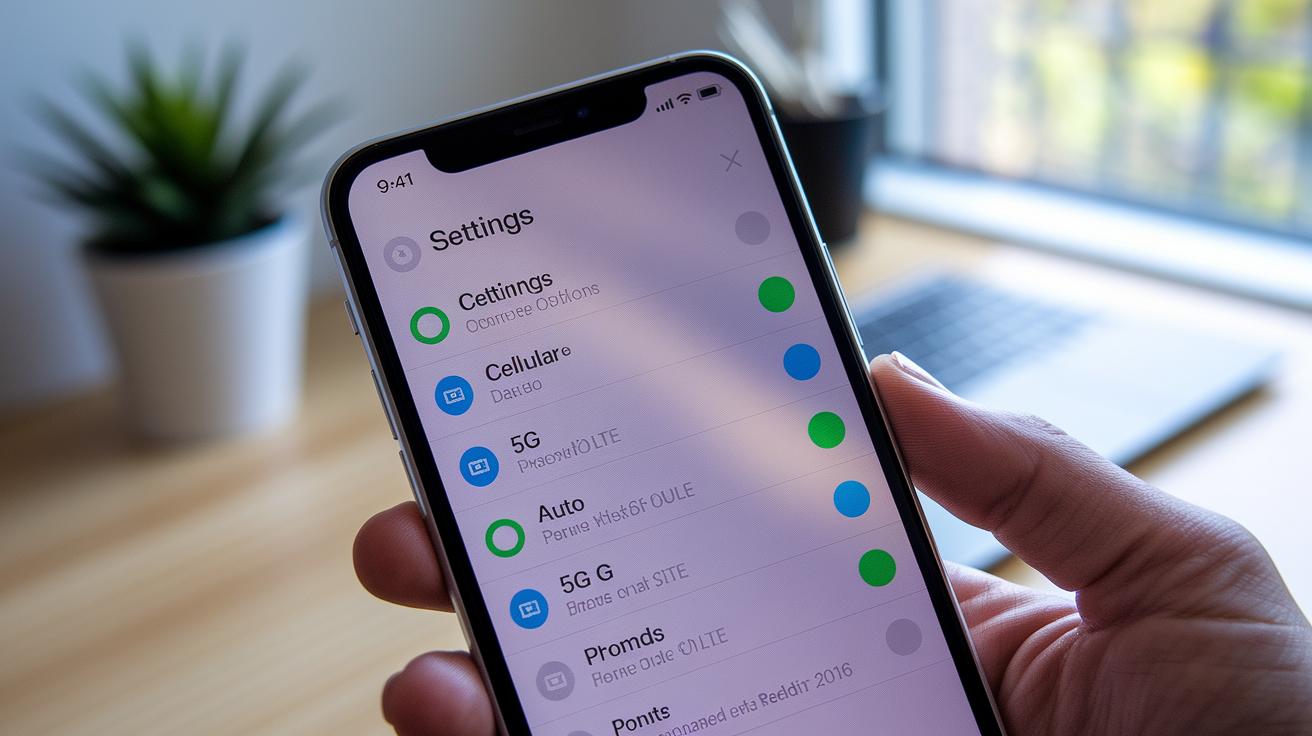
Open the iOS Settings app, tap Cellular, then tap Cellular Data Options to reach the 5G controls. Here you can choose your network mode to get the best mix of speed and battery life.
You’ll see three options: 5G Auto, 5G On, and LTE. With 5G Auto, your phone uses 5G when it helps save battery, while 5G On keeps the fastest connection active all the time. If you pick LTE, your phone won’t use 5G at all, which can help extend battery life when you don’t need top speeds.
In the Data Mode settings, you can turn on Low Data Mode. This limits background tasks and cuts down on app refreshes that use data, so your battery lasts longer while still giving you the benefits of 5G.
For even more battery savings while using 5G, try lowering your screen brightness and turning off notifications you don’t need. These simple tweaks help you get great performance without draining your battery.
Future Outlook: Upcoming and Next-Gen Apple 5G Devices

Rumors point to an iPhone 15 release in September 2026. This new phone is set to support global mmWave connections and feature a more energy-efficient 5G modem. In short, you could see faster downloads and smoother streaming even during long sessions. Imagine watching videos that load quickly while the device carefully manages power during heavy use.
Looking ahead, upcoming Apple 5G devices are expected to bundle smart hardware and software updates. One standout feature will be AI-driven network optimization, which adjusts your connection settings based on your daily needs. Redesigned antenna modules should provide a steadier signal, and a closer integration with iOS will make moving between tasks feel natural. Whether you are online gaming or streaming high-definition videos, these upgrades are aimed at delivering a more seamless and reliable experience.
Final Words
In the action, we've covered the evolution of apple 5g phones, from the early iPhone 12 series to the latest models. We broke down specs, real-world speeds, and everyday benefits, showing how 5G elevates streaming, gaming, and overall performance.
We also looked at pricing tiers, carrier support, and how to optimize 5G settings. The insight aims to help you decide confidently and enjoy a brighter, faster tech experience. Enjoy the leap forward.
FAQ
Which Apple phones support 5G connectivity?
The question about which Apple devices support 5G reveals that Apple’s 5G lineup includes the iPhone 12 series onward and the iPhone SE (3rd Gen). Older models like the iPhone 11 remain LTE-only.
Where can I find unlocked and carrier-specific Apple 5G phones?
The inquiry on unlocked and carrier models shows that unlocked Apple 5G phones, including options from AT&T, are available for sale online and at retailers. They offer flexibility for switching carriers and budget-friendly alternatives.
How do you enable 5G on an iPhone 11?
The question regarding enabling 5G on the iPhone 11 clarifies that the iPhone 11 doesn’t support 5G. Its settings only allow LTE operation, as 5G capabilities began with the iPhone 12 series.
Which iPhone models offer 5G and top performance?
The query about high-performance 5G models indicates that flagships like the iPhone 13, iPhone 14 Pro, and iPhone 15 Plus deliver advanced 5G technology with faster speeds, better antennas, and improved processing power for an enhanced user experience.
Is the iPhone 12 Mini 5G-capable?
The question concerning the iPhone 12 Mini confirms that it supports 5G connectivity. This model offers faster speeds compared to LTE along with a compact size and a high-quality OLED display.
Is the iPhone SE (3rd Gen) 5G enabled?
The inquiry about the iPhone SE (3rd Gen) clarifies that it does come with 5G support. It combines affordable pricing with the benefit of quicker data transfer speeds and improved overall network performance.