
Ever wondered why water-resistant phones cost a bit more? The truth is, manufacturers add extra seals, run rigorous tests, and use higher-grade materials which can boost production expenses by around 20% to 30%. You pay a little extra upfront, but it could save you from expensive repairs if you accidentally spill something on your phone. In this guide, we explain how water resistance influences smartphone prices and help you decide if that added protection is really worth your money.
Pricing Impact of Smartphone Water Resistance
Water resistance adds roughly 20 to 30% to a phone's production cost. Manufacturers need to use extra sealing techniques, dedicated quality checks, and specialized assembly steps to protect against water. To meet the IP68 standard, a device must withstand up to 1.5 meters of fresh water for 30 minutes. Using upgraded materials and protective coatings along with strict testing naturally raises costs that are passed on to consumers.
Major brands build these protective features into their devices with clear price increases. Water-resistant smartphones from well-known makers usually cost between HK$3,000 and HK$10,000. This premium not only covers advanced liquid protection and meticulous engineering but also helps lower repair incidents caused by water damage, giving buyers a practical advantage.
For those who value extra security against accidental water damage, paying more for water resistance is a smart investment. A higher price for better defense can mean fewer unexpected repair costs and a longer-lasting device. In short, every extra dollar spent on top-notch liquid protection brings peace of mind and adds lasting value in a competitive smartphone market.
Cost Breakdown of Water-Resistant Smartphone Components
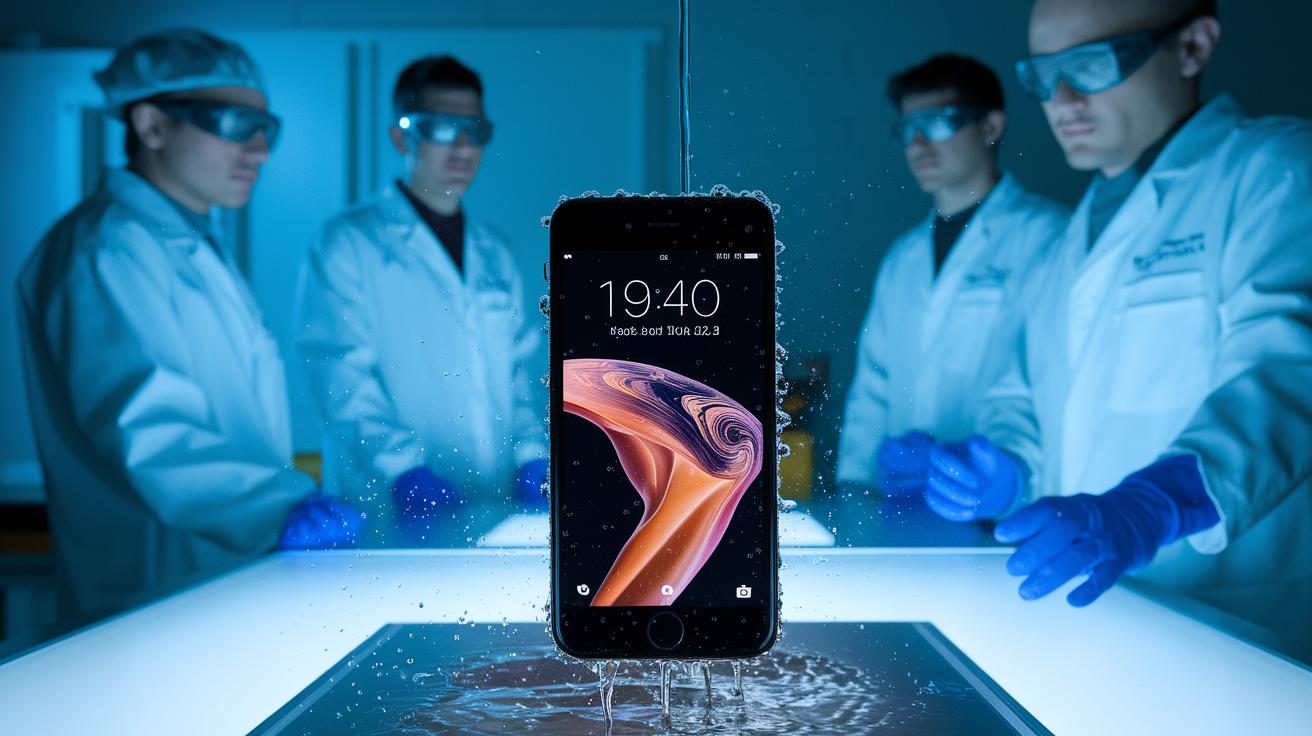
Smartphone makers spend extra to build devices that truly keep water out. To earn top IP ratings (standards that show a phone can handle water), phones undergo specialized lab tests, which come with high costs. Premium sealing materials, chosen for their ability to block moisture while withstanding daily wear, also add to the price. Manufacturers further boost expenses by using automated assembly steps that bring extra precision to the creation of moisture barriers. Some models use nano-waterproof sprays, but these are generally limited to IPX4 or IPX7 ratings, meaning they can handle splashes but not prolonged water exposure. Each of these components plays a role in shaping the final price as companies decide how best to invest in water resistance.
| Component | Cost Impact | Description |
|---|---|---|
| Advanced Sealing Materials | High | Premium materials that form strong moisture barriers. |
| Automated Assembly Steps | Moderate | Precision manufacturing ensures the sealant is applied accurately. |
| Certification Testing | High | Specialized lab tests needed to verify IP ratings like IP68. |
| Nano-Waterproof Sprays | Low | Budget-friendly option that offers basic splash protection (IPX4/IPX7). |
These extra measures to keep water out directly boost consumer costs. In short, investing in high-quality materials, precise manufacturing, and strict testing means that phones with dependable water resistance tend to cost more, but they also help reduce repair needs from accidental water exposure.
Comparative Analysis of Water-Resistant vs Non-Water-Resistant Smartphone Pricing
Water-resistant phones usually list for about $850, while their non-water-resistant counterparts come in at around $700. That extra $150 helps cover the cost of high-quality materials, careful assembly, and thorough tests to ensure the phone can handle water.
Because of these improvements, water-resistant models see fewer incidents of water damage. With non-water-resistant phones, about 30% of users experience water-related issues, compared to only 10% with IP68-rated models (which means they meet strict water resistance standards). If a typical repair costs $200, you might expect an average repair expense of $60 per device with a non-water-resistant phone (30% of $200) versus just $20 with a water-resistant one. That works out to about $40 in potential savings over the device’s lifespan.
In short, the higher upfront cost is balanced out by lower repair bills, making a water-resistant phone a worthwhile investment for better durability.
Consumer Willingness to Pay for Water Resistance in Smartphones
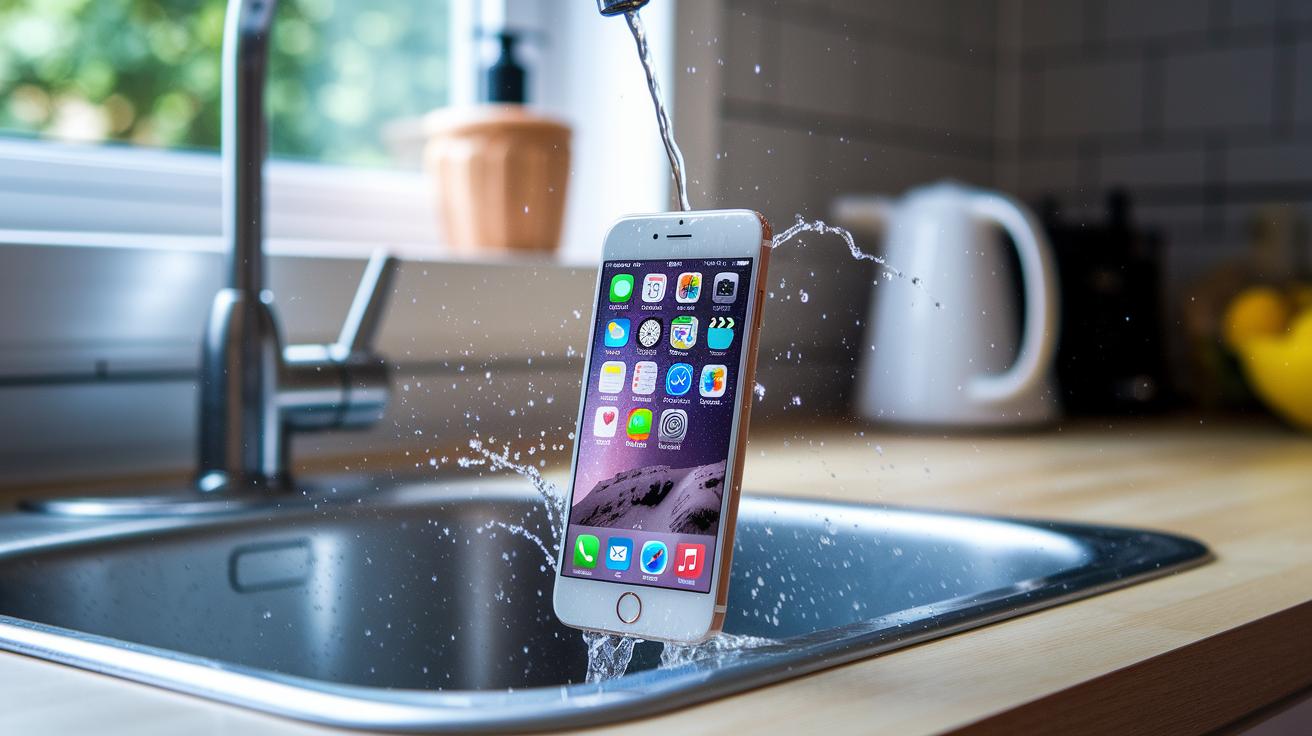
Every day, many buyers are willing to spend a bit more for a smartphone that can handle a splash or two. In fact, a 2012 survey with over 2,000 users showed that 27% had dealt with water damage. This data pushed manufacturers to add water-resistant features since people see them as a smart way to avoid costly repairs and keep up with an active lifestyle.
Perceived Benefits
Water resistance really cuts down on the worry of accidental spills or brief submersions. When a phone can shrug off a few splashes, users face fewer disruptions and avoid expensive fixes. It means you can use your device confidently during those unpredictable moments, whether you're caught in the rain or simply near the kitchen sink.
Trade-Offs and Price Sensitivity
On the other hand, building in water resistance isn’t cheap. Those extra manufacturing expenses mean higher retail prices. Some buyers feel that spending more upfront is worth it to dodge potential repair bills later, while others stick to a tighter budget and opt for models that provide basic protection without the extra cost.
Market Trends and ROI of Enhanced Water-Resistance Smartphone Features
Flagship smartphones like the iPhone 17 and the latest Galaxy models now add an extra $100 to $150 for water-resistance upgrades. Manufacturers use special seals and precise assembly techniques to keep moisture out, which bumps up production costs. In real life, that extra cost is balanced by fewer water damage repairs. For example, spending an extra $100 on water resistance can cover the expense of one repair, making it a smart investment for those who want their device to last.
User feedback and industry reviews show that these water-defense systems play a big role in pricing. Smartphone makers are focusing on these features because they keep repair visits to a minimum. In everyday use, a stronger water barrier means fewer trips to the service center. Buyers appreciate fewer disruptions and lower overall costs since the upfront premium pays off over time. It’s clear that solid water protection is especially attractive for anyone prone to accidental spills or exposure to the elements.
When you add up the savings from fewer repairs and a longer-lasting phone, the return on investment for water-resistance becomes obvious. In situations where a single repair might cost $200, the extra expense for water resistance quickly proves its worth. This benefit is driving more people to choose these models, which in turn influences overall smartphone pricing trends.
Final Words
In the action, we explored how water-resistance features boost manufacturing costs and retail prices. We highlighted the extra production expenses, detailed component costs, and showcased the price gap between water-resistant and non-water-resistant models.
We also broke down consumer willingness to pay more for reliable protection, explaining how water resistance affects smartphone pricing in real-world scenarios.
This clear cost-to-benefit view helps you choose a device that suits your lifestyle and budget, improving long-term value while minimizing repair needs.
FAQ
How does water resistance affect smartphone pricing?
The water resistance feature adds 20–30% to manufacturing costs with advanced seals and testing. This extra expense means smartphones with water resistance usually command a higher price.
How much does it cost to fix your phone from water damage?
Repairing water damage can cost several hundred dollars, especially if internal parts need replacing. Water resistance features help reduce these repair bills over time.
How does water resistance work on phones?
Water resistance in phones works by sealing key components with specialized materials and automated assembly processes. An IP68 rating means the phone can survive 1.5 m of water for up to 30 minutes.
What factors affect the price of a smartphone app?
The cost of a smartphone app is influenced by its development complexity, feature set, and ongoing support. More advanced apps usually incorporate higher development and maintenance expenses.
Why is Gen Z buying dumb phones?
Gen Z is choosing dumb phones for straightforward communication, longer battery life, and fewer distractions. These phones also offer enhanced privacy compared to feature-rich smartphones.