
Ever wondered if your phone can handle a swim? Not every waterproof phone is built the same. Some phones are made to survive a quick splash while others can endure a brief submersion. In this article, we break down what IP67, IP68, and IP69 actually mean. You will learn which phones can manage a one-meter dip and which models offer extra protection in tougher conditions. Read on to clear up the confusion and find out exactly how much water your next phone can handle safely.
Depth Limits for Waterproof Smartphones
IP67 smartphones can handle a splash or quick dip because they’re tested to survive immersion in 1-meter deep water for 30 minutes under controlled conditions. This means they’re great for everyday spills, but they’re not meant for long underwater use.
IP68 devices are built a bit tougher. They’re usually tested at depths between 1.5 and 2 meters for 30 minutes. Thanks to better sealing and quality design, you can feel a bit more secure if your phone takes an unexpected dive into a pool. Keep in mind that some brands may push these tests a little further based on their own lab conditions.
IP69 takes things up a notch with extra protection. It guards against high-pressure, high-temperature water jets, which go beyond what IP68 covers. While you rarely need this kind of robust protection in daily life, it can be useful in more extreme settings.
Remember, water resistance isn’t permanent. With repeated exposure, the seals on any waterproof phone can wear out. If you plan to spend a lot of time underwater or go on deep-sea adventures, consider using a dedicated underwater case to keep your phone safe.
IP Certification Breakdown for Waterproof Smartphones
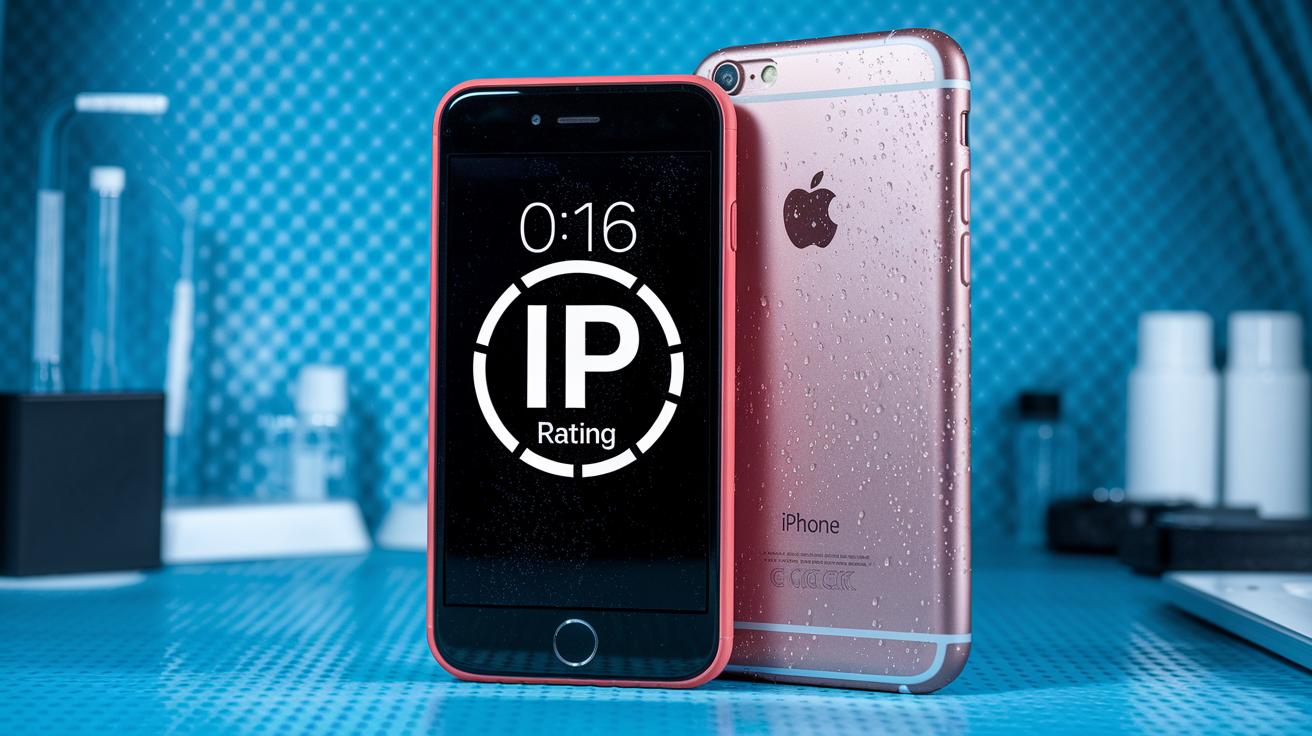
IP ratings help you understand how well a smartphone is protected against dust and water. The International Electrotechnical Commission set up this standard, where "IP" stands for Ingress Protection. The first number, from 0 to 6, shows how well the device resists dust and other particles.
The second number, ranging from 0 to 9, covers protection against water. For instance, an IPX7 rating means the phone can handle being soaked briefly, while an IPX9 rating tells you it can take high-pressure, hot water jets without issues. These ratings give real-world clues about what conditions the phone can safely endure.
In lab tests, an IP67 phone usually spends 30 minutes underwater at about 1 meter deep. When a device is rated IP68, it’s typically submerged even deeper, around 1.5 to 2 meters, to confirm it keeps working perfectly. Phones with an IPX9 rating are blasted with strong water jets, and testers check that moisture doesn’t seep into ports and disrupt performance.
Submersion Test Procedures for Smartphone Depth Criteria
In our lab tests, smartphones are put through consistent water immersion checks in freshwater tanks kept at a steady temperature. We use precise tools to control the water's depth, temperature, and the time each device stays underwater so that results are the same every time. Water pressure is slowly increased during the test to mimic the natural force of water.
Phones rated IP67 are dipped at about 1 meter, with a small margin of plus or minus 5 centimeters, for 30 minutes. For IP68 devices, the testing begins at 1.5 meters and can go as deep as 3 meters, following each manufacturer’s guidelines. This careful buildup of pressure closely replicates real-life conditions and confirms the level of water protection.
Once the submersion is complete, experts inspect the phones closely. They check areas like speakers, charging ports, and all seals for any signs of water entry. If any moisture is found or if the device shows any performance issues, it does not meet the certification standards.
Factors Influencing Waterproof Smartphone Depth Tolerance
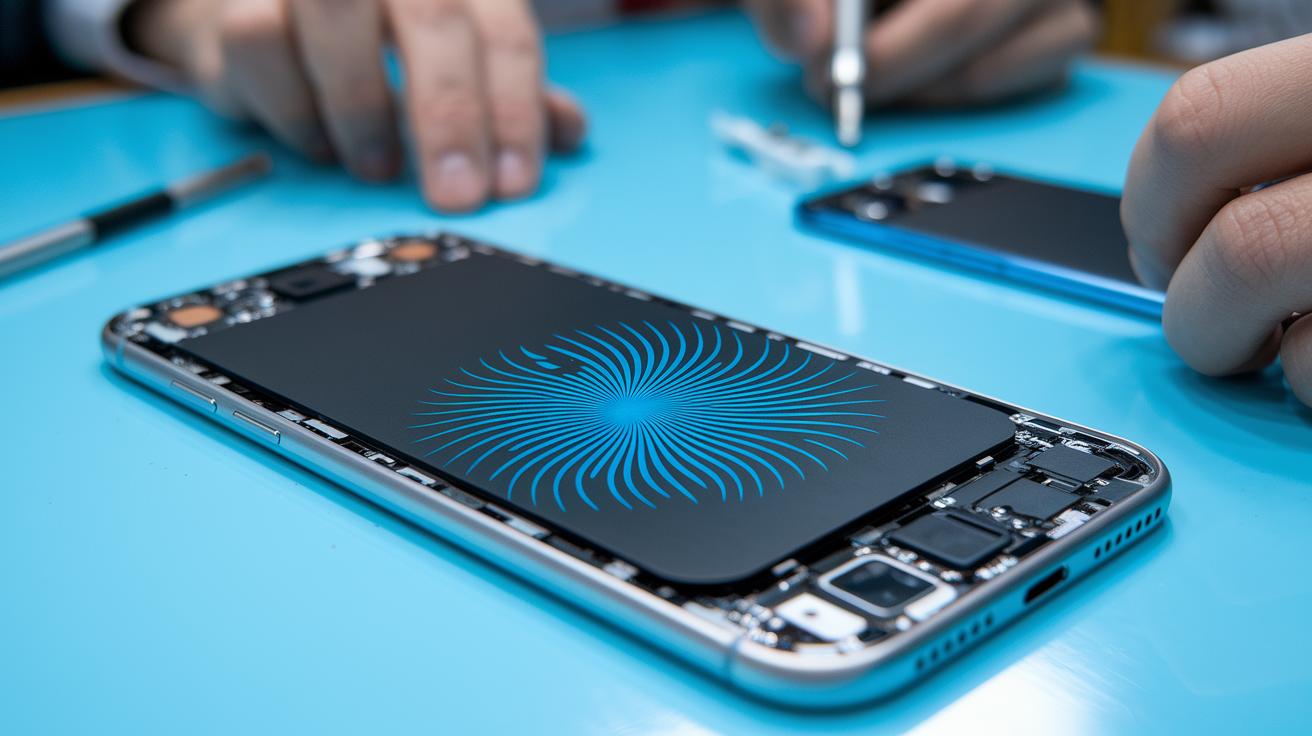
Smartphone water resistance isn’t only about the IP rating. It’s also about the quality of the build and the materials used. Manufacturers carefully seal areas like ports, speakers, and other spots that are likely to let water in. They use strong adhesives, precise ultrasonic welding (a method that fuses parts together using sound energy), and well-designed membranes to protect the sensitive internals. These techniques keep the components dry even when the phone is submerged deeper than usual.
- Port seal materials and lifespan
- Consistency in ultrasonic chassis welding
- Adhesive gasket durability over time
- Speaker and microphone membrane resistance
- Compatibility with third-party waterproof cases
Over time, these seals and assemblies can break down. Repeated exposure to water and temperature changes puts stress on the barriers, potentially weakening them. Even minor damage from drops or debris can compromise the waterproofing. It’s a good idea to check your phone regularly for signs of wear. Using an approved waterproof case may also offer extra peace of mind. Keeping an eye on these factors helps ensure your smartphone stays protected in challenging underwater conditions.
Depth Performance Comparison of Waterproof Smartphone Models
Smartphone models don't all behave the same when it comes to water resistance. Even devices with the same IP68 rating can handle water a bit differently because manufacturers test them under set conditions. The table below shows hands-on test results from popular phones, offering a snapshot of how deep each one goes under controlled settings. Remember, if you're planning to dive into deeper water, a certified waterproof case might be a smart choice.
| Model | IP Rating | Tested Depth | Duration | Additional Durability |
|---|---|---|---|---|
| iPhone 13 Pro Max | IP68 | 2 m | 30 min | – |
| Galaxy S22 Ultra | IP68 | 1.5 m | 30 min | – |
| Pixel 6 Pro | IP68 | 1.5 m | 30 min | – |
| Galaxy XCover Pro | IP68 | 1.5 m | 30 min | MIL-STD 810G |
| iPhone 12 | IP68 | 1.5 m | 30 min | – |
Keep in mind that small design choices and testing methods can lead to different performance even within the same IP rating. If you need extra protection for deeper water activities, opting for a dedicated waterproof case can extend your device's safety beyond its built-in limits.
Practical Tips for Underwater Use of Waterproof Smartphones
Before you dive in, give your phone a quick look-over. Check that the seals and ports are in good shape and switch on an underwater camera mode if your phone has one. This simple step helps your device handle pressure changes and saves you from unexpected repair bills.
Once you’re done exploring underwater, take a few minutes for proper care. Rinse your phone with fresh water to remove salt or chlorine and dry it completely. It’s best to hold off on using charging ports immediately since any remaining water could trigger a short circuit.
- Inspect seals and ports.
- Submerge gradually so pressure has time to equalize.
- Rinse with fresh water and dry thoroughly after use.
- Avoid using charging ports or similar features immediately.
- Opt for certified dive cases for depths over 2 m.
Final Words
In the action, we walked through smartphone water-resistance ratings, explored IP67, IP68, and IP69 testing, and broke down submersion procedures. We also discussed factors that affect waterproof performance and shared practical tips that protect your device during underwater use.
Our review helped clarify how maintenance and proper usage extend a phone's water-resistance over time. So when you ask what depth can waterproof smartphones withstand, you'll feel confident picking a model that fits your use case and budget.
FAQ
What depth can waterproof smartphones withstand on Reddit discussions and across brands?
Online discussions and manufacturer specs indicate that waterproof smartphones with an IP68 rating typically handle submersion between 1.5 and 2 meters for up to 30 minutes, though performance can differ by model.
What depth can Samsung waterproof phones, including the A Series, withstand?
Samsung waterproof phones, like those in the A Series, generally endure submersion at depths of about 1.5 to 2 meters for 30 minutes, based on rigorous IP68 testing standards.
What depth can an iPhone, including the iPhone 17, go underwater?
iPhones, including the iPhone 17, are built to withstand underwater exposure at approximately 1.5 to 2 meters for 30 minutes, matching the IP68 specifications set by Apple.
What is the difference between IP67 and IP68 ratings for waterproof smartphones?
IP67-certified phones are tested for immersion at 1 meter for 30 minutes, while IP68 devices are generally tested at depths of 1.5 to 2 meters for the same duration, reflecting a higher water resistance.
Is an IP68 rating considered waterproof or water resistant?
An IP68 rating means that a smartphone is highly water resistant, capable of handling submersion up to its specified depth—typically between 1.5 and 2 meters for 30 minutes—under controlled conditions.
What is the certified IP68 waterproof depth?
The IP68 certification typically indicates that a device can be submerged in water at depths ranging from 1.5 to 2 meters for 30 minutes, with some variation depending on the manufacturer.
What are the limitations of waterproof phones?
Waterproof phones are designed for brief submersion in controlled conditions; their seals may degrade over time, and they are not suitable for high-pressure, deep-water, or prolonged exposure scenarios.