
Have you ever wondered if your phone can handle a little water? Many smartphones shrug off everyday spills like they're wearing a light raincoat, while others boast waterproof ratings that promise they'll survive a quick dunk. But if you're near water often, will a water-resistant phone really keep up? In this post, we break down what these ratings mean and explain why picking the right level of protection matters for your everyday use. Keep reading to find out which type of device truly stands up to the splash test.
Core Differences Between Waterproof and Water-Resistant Smartphones
Water-resistant smartphones are built to shrug off everyday water spills, light rain, or an accidental soda splash. They feature simple seals to keep water from reaching the most important parts inside, much like a light raincoat protects you during a drizzle. In plain terms, if your phone endures a lunch spill, it should be just fine, but it's not meant to be fully submerged.
Waterproof smartphones take it a step further. They carry ratings like IP67, IP68, or IP69, which tell you the phone has been lab-tested for brief immersions in fresh water. Typically, these tests involve dropping the phone in water up to 1 meter to 1.5 meters deep for about 30 minutes. It’s similar to having a device that can handle a quick, accidental dip in shallow water with no major issues.
The rating system uses two digits. The first digit shows how well the phone is sealed against dust, while the second digit (ranging from 0 to 9) indicates its water resistance level. Even though these tests provide a good idea of how the phone handles water, they are done in controlled settings using fresh water. Real-life water, like saltwater or pool water, can still bring risks even if the phone has a high IP rating.
Understanding IP Ratings for Waterproof vs. Water-Resistant Smartphones

The IP rating uses two numbers to show how well a device is protected. The first digit (0 to 6) tells you about dust protection, while the second (0 to 9) indicates water resistance. For example, an IP67 phone can be submerged in fresh water up to 1 meter deep for 30 minutes without worry.
An IP68 device goes a bit further. It can handle being underwater at depths greater than 1 meter, often up to 1.5 meters or more, for a similar time period. Then there's the IP69 rating, where the device endures strong, hot water jets that mimic using a high-pressure sprayer.
Keep in mind these tests happen in controlled lab settings using fresh water. Real-life scenarios like salt water at the beach, chlorinated pools, or hot showers can affect your phone differently over time.
So, while an IP68 rating suggests it will handle splashes at work well, continuous exposure to harsh conditions, like a day at the beach, might gradually weaken its seals.
Real-World Performance of Waterproof and Water-Resistant Smartphones
Lab tests with fresh water show that an IP68-rated smartphone can handle a 1-meter dip for 30 minutes. But real life is a different story. Whether it’s salt water at the beach, chlorine in the pool, or even steam from a hot shower, these conditions can wear down a phone’s seals much faster than a lab test suggests. One reviewer even noted that while his phone braved rain without a hitch, a quick dip in the pool later led to lingering issues.
Everyday wear and tear also take their toll. Constant exposure to moisture, frequent dropping, and the gradual wear of ports can weaken the seals over time. Even a hot shower, where you might wipe your phone, can add stress that labs don’t account for.
If you plan to use your phone for underwater photography or dive deeper than its standard rating, a dedicated protective case is a smart choice. Such cases offer extra defense against water pressure and prolonged exposure, helping to keep your phone performing well even as everyday use slowly wears it down.
- Lab tests don’t mimic real-world challenges like salt water or pools.
- Daily use can gradually degrade protective seals.
- A dedicated case can extend your phone’s effective water resistance.
Engineering Standards and Test Protocols for Smartphone Water Protection
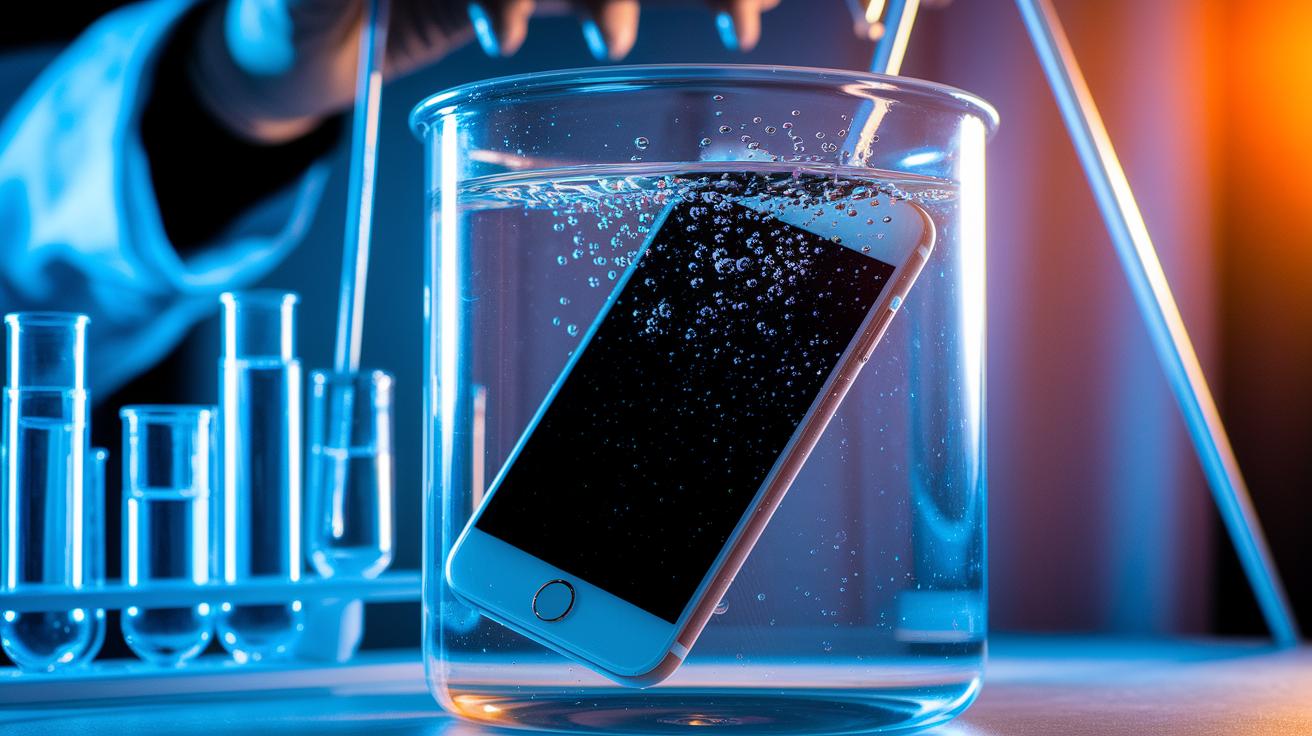
In testing labs, we put smartphones through thorough water submersion tests to see how well they can handle getting wet. We immerse the devices in controlled fresh water to mimic everyday scenarios. For example, an IP67 rating means the phone can stay underwater for 30 minutes at a depth of 1 meter. On the other hand, an IP69 rating involves powerful, high-temperature water jets that push the seals to their limits.
Instead of using moving parts like flaps, manufacturers typically use gaskets or special adhesives to close off ports. This approach minimizes places where water can get in. Still, over time, frequent exposure might weaken these seals. Interestingly, some phones get an extra boost from advanced coatings like HZO’s parylene on PCBs (the circuit boards inside), which can help them handle longer periods underwater compared to those with regular silicone or epoxy finishes.
Engineers also run environmental tests to check if these seals can stand up to constant stress. They simulate scenarios where a phone might not only get splashed but be in wet surroundings for a long period. During these tests, they look at metrics that show if a design truly meets its IP rating. Each gasket and adhesive layer must hold up well even after many cycles of wet and dry conditions, ensuring the phone remains protected against water.
Key factors in this testing include:
| Test Factor | Description |
|---|---|
| Submersion Protocols | Depth and time tests under controlled conditions |
| Seal Guidelines | Standards for gasket and adhesive durability |
| Immersion Metrics | Performance data including advanced PCB coatings |
These engineering standards are what set apart smartphones that are truly waterproof from those that are only water-resistant.
Pros and Cons of Waterproof vs. Water-Resistant Smartphones
Smartphone makers face different challenges when designing waterproof and water-resistant models. Water-resistant phones keep a slim, everyday look while protecting against simple splashes. On the other hand, waterproof phones rely on extra seals and special coatings that add a bit of bulk and typically cost more. These extra tests lower repair risks, but over time the seals or coatings might wear out and could affect your warranty.
For more details on design choices, durability, and cost benefits, please refer to the related sections.
How to Choose Between Waterproof and Water-Resistant Smartphones
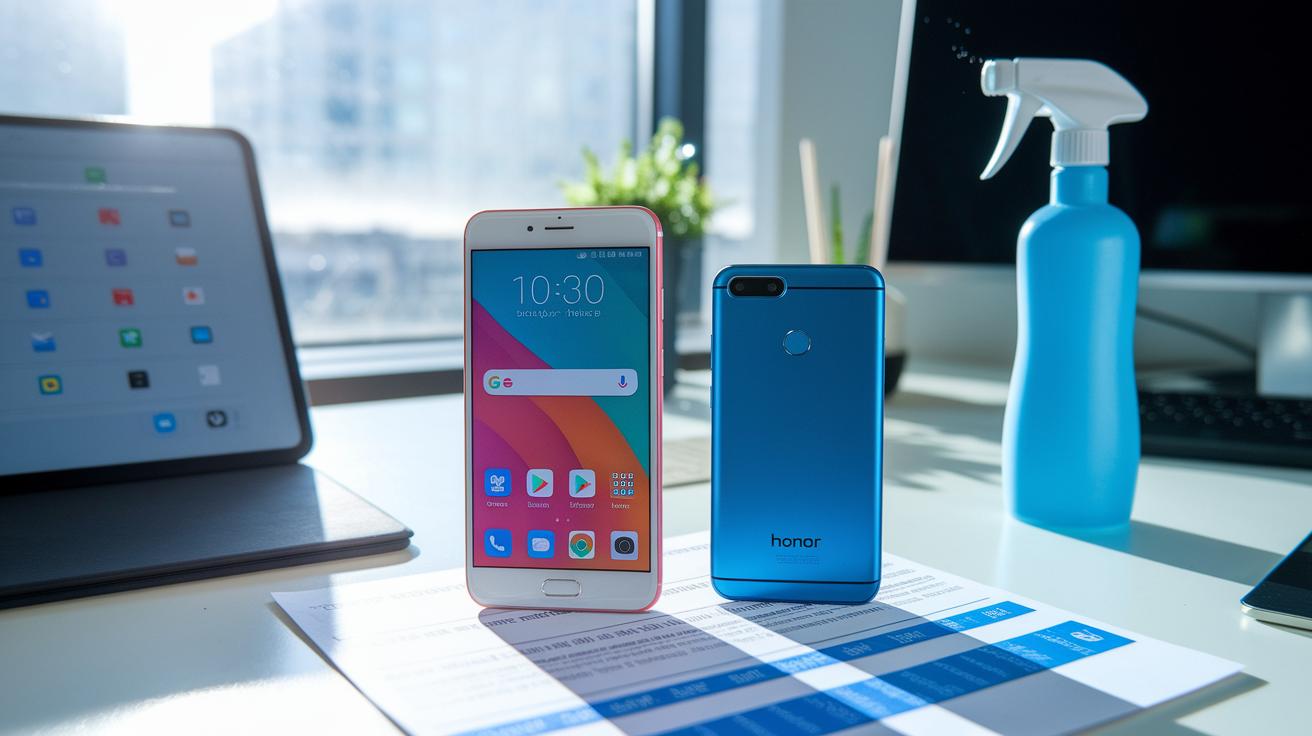
First, check the device's IP rating in its specifications or user manual. For example, the HONOR 400 has an IP65 rating that protects against splashes, rain, and brief dips, whereas the HONOR Magic 7 Pro comes with an IP68/IP69 rating for stronger protection during deeper submersion.
Keep in mind that everyday use can wear down ports and seals, so lab-test ratings might not tell the whole story over time.
Here are a few tips:
- Double-check the IP code and know exactly what it covers.
- Consider the level of moisture you typically encounter.
- Bear in mind that water resistance can decrease over time, potentially leading to extra repair or replacement costs.
One user explained, "I chose a higher IP rating because I often work outdoors in damp conditions."
Enhancing Smartphone Water Protection: Accessories and Best Practices
Extra accessories can truly help boost your phone's water defense. Waterproof cases that meet IP ratings add an extra layer of safety when you're filming underwater or taking quick dips. They work as a barrier, reducing the risk of moisture seeping in even if your phone’s original seals start to wear out.
Small habits can also make a big difference. We recommend drying your phone's ports after they get wet to prevent buildup or corrosion. It's best to avoid harsh chemicals like those found in pools or hot tubs because they can damage your phone’s protective coating. Checking your device’s seals and ports regularly can help you spot any issues early.
You might also consider using vapor-proof sprays to enhance the factory sealing. Tests show that these sprays can improve moisture resistance, but they might void your warranty, so it's a trade-off between extra protection and keeping your warranty intact. Some users find this compromise worthwhile after several water encounters.
Here are a few tips:
- Use IP-rated cases for extra underwater protection.
- Dry and clean ports after water exposure.
- Inspect seals periodically to maintain optimal protection.
Final Words
In the action, we broke down the key differences between waterproof versus water resistant smartphones, from IP ratings to real-world performance. We explained how lab tests, seals, and coatings define water defense and reviewed the pros and cons of each design. We also shared practical tips and accessory advice to help you get the best out of your device. The goal is to help you make an informed decision that fits your budget and usage. Enjoy the confidence of knowing exactly what protection to expect from your phone.
FAQ
What’s the difference between water resistant and waterproof phones?
The difference is that water-resistant phones handle light splashes and brief exposure, while waterproof phones are lab-tested to endure immersion up to specific depths and durations based on their IP ratings.
Is IP68 waterproof or water resistant?
IP68 indicates a device has been tested for immersion, typically resisting water up to 1.5 m for 30 minutes, making it more water resistant to submersion than your standard splash-proof design.
Do waterproof phones actually work?
Waterproof phones work as intended under lab conditions, but real-world factors like salt water, chlorinated pools, or aging seals can compromise their performance over time.
How can I tell if my Samsung or iPhone is waterproof?
To tell if your Samsung or iPhone is waterproof, you should check the manufacturer’s specifications for an IP rating like IP68 or higher, which describes the device’s actual water protection level.
What are some good waterproof or water-resistant phones available under 20000?
Some budget-friendly smartphones come with IP ratings such as IP67 or IP65, so reviewing detailed specs and consumer feedback ensures you find a model that meets everyday water exposure needs.
What do communities like Reddit say about waterproof versus water-resistant smartphones?
Discussions on Reddit highlight that while waterproof phones provide better protection during short, controlled immersions, everyday use can wear down water resistance, stressing the importance of proper care.
How do I choose the best waterproof or water-resistant smartphone?
Choosing the best option involves reviewing the IP rating, assessing your everyday exposure needs, and balancing durability with cost, ensuring you get a device that holds up in your routine environment.