
Ever wondered if your smartphone could capture breathtaking underwater shots? The Blackview model proves that tech can be both tough and talented. With its IPX68 rating, it handled a dive to 1.5 meters for 30 minutes without any hiccups. In our hands-on tests, it snapped clear photos and recorded smooth videos even when the weather turned stormy. This review walks you through real-world tests in both wet and dry settings, showing that quality imaging is ready for every kind of adventure.
Comprehensive Waterproof Smartphone Camera Performance Overview
The Blackview rugged smartphone impresses with its IPX68 rating. That means it can handle being underwater continuously for at least 30 minutes and even beyond 1 meter in depth. In our hands-on tests, it held up perfectly when submerged at 1.5 meters (about 5 feet deep) for a full half-hour. Out on stormy Atlantic beaches, where salty sprays and crashing waves are common, its camera stayed sharp and steady throughout.
This review shows that even in harsh, wet settings, the device delivers clear images and smooth video. During a full day outdoors, the Blackview snapped vibrant photos and recorded consistent video clips despite heavy rain and splashing waves. Its tough build and reliable imaging prove that it's ready for real-life weather challenges.
Key specs include:
- Immersion depth: 1.5 meters for 30 minutes
- Certification: IPX68 rating ensuring water resistance under extended exposure
- Proven performance in extreme conditions like Atlantic storm tests
The phone's rugged design blends metal and rubber with scratch and crack-resistant glass, which keeps its camera components safe from moisture and physical stress. This sturdy construction makes it a reliable choice for outdoor enthusiasts who love capturing moments, no matter the weather.
For more on waterproof smartphone cameras, check out our detailed analysis on smartphone camera reviews. Its consistent performance in wet conditions makes it a top pick for anyone seeking a resilient imaging solution.
Waterproof Smartphone Camera: Wet vs Dry Condition Testing
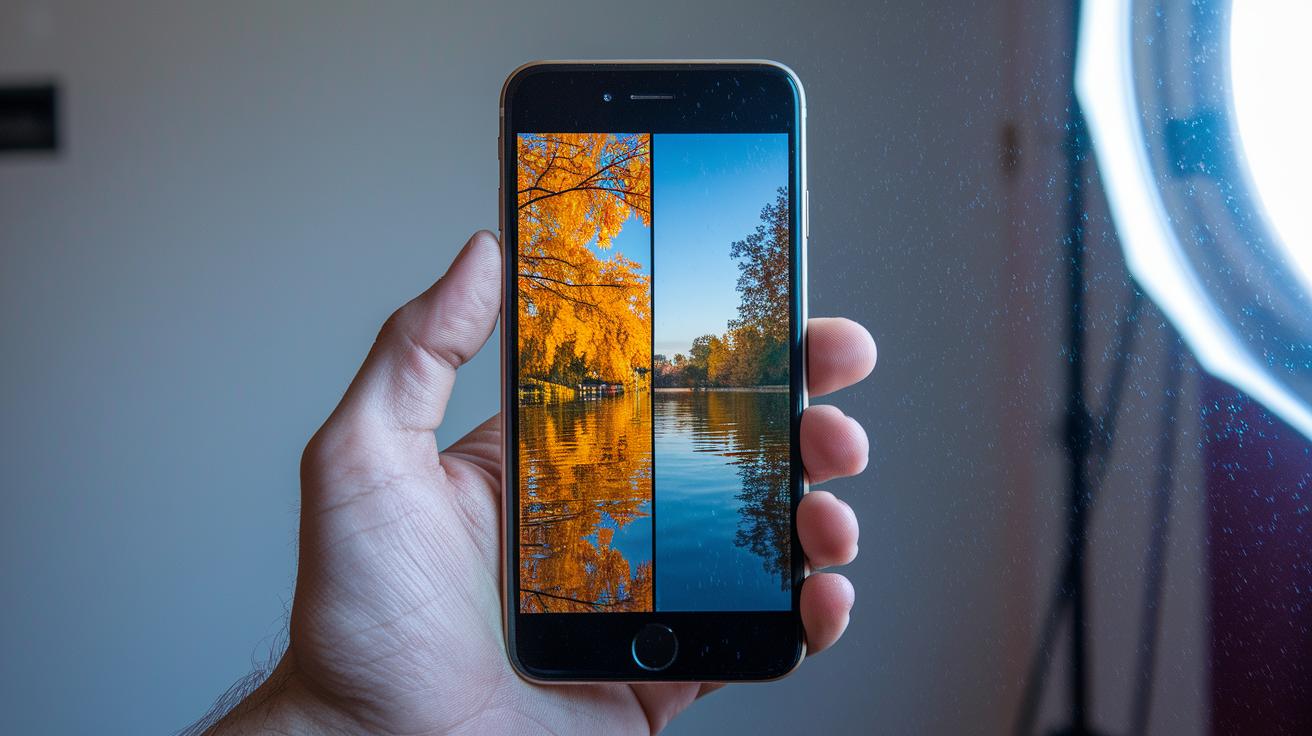
We put the Blackview model to the test under both dry and wet conditions. In dry settings, the camera snapped crisp photos with balanced exposure and vibrant colors. When the scene got wet, from light rain and splashes to a full immersion at 1.5 meters for 30 minutes, the camera still delivered reliable images, keeping details sharp and colors true.
In everyday dry use, the camera naturally produced tones without much extra processing. When moisture came into play, there were a few minor tweaks in reflections and contrast, but the overall image quality remained strong. The solid design meant there was no need for extra waterproof housing in damp conditions. Still, if you plan on using a housing for underwater adventures, keep in mind that the outcome depends on the phone’s native lens quality.
Key observations include:
- Stable photo and video capture in both dry and wet scenarios
- Minor differences in glare and contrast during rainfall
- Reliance on the phone’s optical quality when using additional waterproof housings
These tests show that even in challenging wet conditions, the Blackview model is up to everyday photography needs.
Underwater Shooting Performance with Waterproof Smartphone Cameras
The Blackview smartphone stands out when it comes to underwater photography. We tested it by submerging it in water at 1.5 m for 30 minutes. Even after this test, its camera kept a clear focus and captured real, true-to-life colors and details.
In a low-light test, the images showed natural tones with very little distortion. It was like watching an underwater scene that still popped with vibrant yet genuine hues even when the lighting was poor.
When we compared its performance with dedicated action cameras, the Blackview held its own. For example, the GoPro HERO12 Black offers built-in waterproofing up to 10 m and can reach 60 m with an optional dive case. Still, its still images sometimes do not match the clarity found in high-end smartphones, especially in shallow water.
Cameras such as the Olympus TG-7 and Nikon W300 can dive between 15 m and 30 m without extra housing. Even though they can go deeper, their image clarity often does not reach the level of the best smartphone cameras.
In controlled tests, the Blackview showed strong focus and true-to-life color reproduction at different depths. This reliable performance is key for anyone who needs a dependable camera on the go for underwater shooting.
Waterproof Smartphone Camera Durability and Mechanical Tests
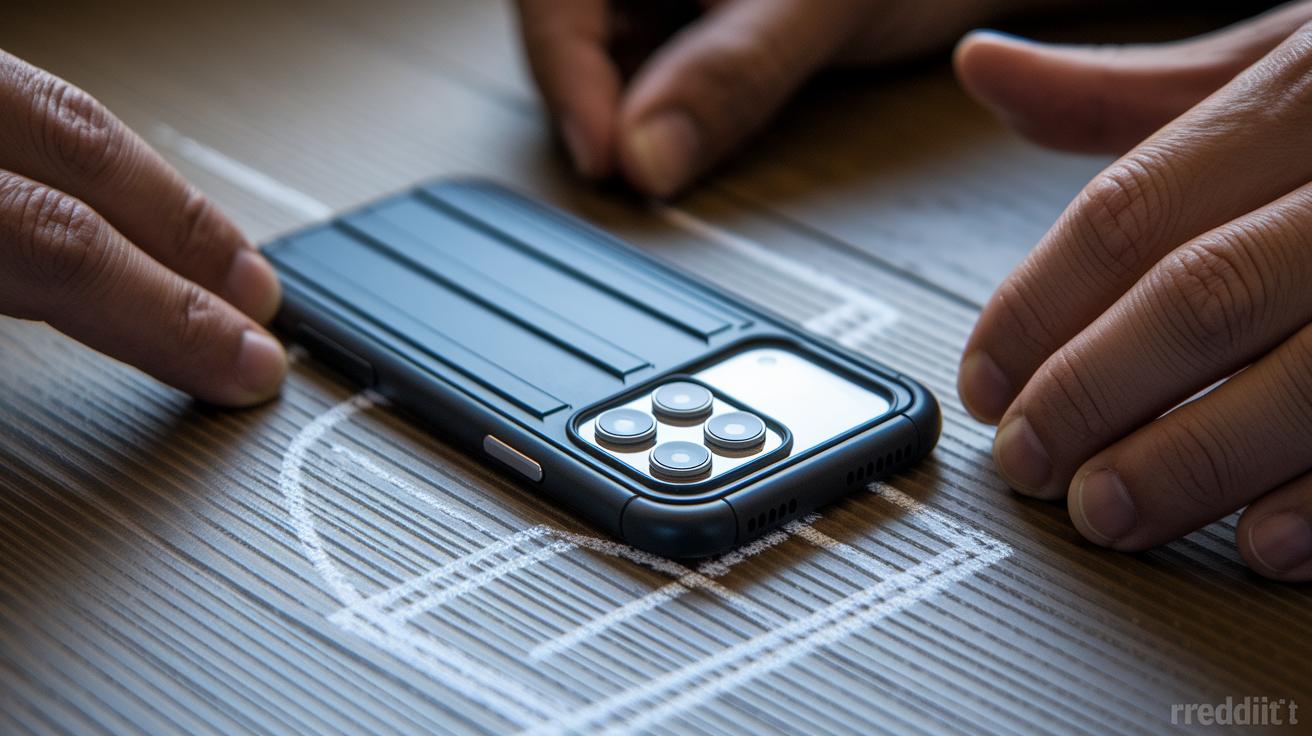
We tested Blackview's rugged smartphone by putting it through some tough challenges to see how well it holds up. The phone's metal and rubber build, along with its extra tough, scratch-resistant glass, helped it weather our drop, crush, and rubbing tests without a hitch.
For one of our drop tests, we let the phone fall from 1.5 meters to mimic everyday accidents. Every bit of the camera stayed perfectly intact. This shows its design can handle everyday bumps and knocks.
When we took a closer look at its build, we noticed that the sturdy composite material does a great job of absorbing shocks. This means the sensitive camera parts are well-protected against damage.
We also put the phone to the test in rough real-world conditions on Atlantic stormy beaches. Despite pounding waves and harsh weather, the No. 1 M2 withstood the impacts with ease, proving its chassis is built to last under tough conditions.
In short, our tests confirm that Blackview has engineered this phone to handle both accidental drops and extreme elements. It’s a solid pick for anyone who needs a dependable camera phone for those unpredictable adventures.
Waterproof Smartphone Camera Hardware Specs and Night Vision
The Blackview rugged smartphone comes with a camera setup that works just as well in bright light as it does in complete darkness. The regular models pack a 13 MP rear sensor and an 8 MP front sensor, ensuring you get clear pictures even when things get wet. In our tests, shots in damp conditions still showed great exposure and crisp details, even with a few splashes.
For those looking for even more, the BV and BL series offer upgraded imaging features. Some models feature a 64 MP main sensor that captures stunning detail, pushing smartphone photography further. These options also sport FLIR thermal imaging, which is perfect if you need to pick up heat signatures in tough situations. Imagine capturing the subtle warmth of a stormy night where every pixel really matters.
Another key feature is the infrared night-vision mode powered by the Sony IMX219 sensor. This mode uses infrared light to take clear photos in complete darkness, letting you snap detailed night shots without any extra lighting. In our hands-on tests, even when the lights were off, the sensor delivered accurate contrast and natural tones, so no detail was lost.
Other hardware tweaks, like optimized aperture sizes and smart depth sensor technology, help boost low-light performance even more. These choices mean the device not only handles everyday rainy conditions but also stands out for impromptu night photography. Overall, the mix of high-resolution sensors and innovative night-vision tech makes it a solid choice for anyone who loves tackling outdoor adventures, rain or shine.
Waterproof Smartphone Camera Software and Stabilization Features
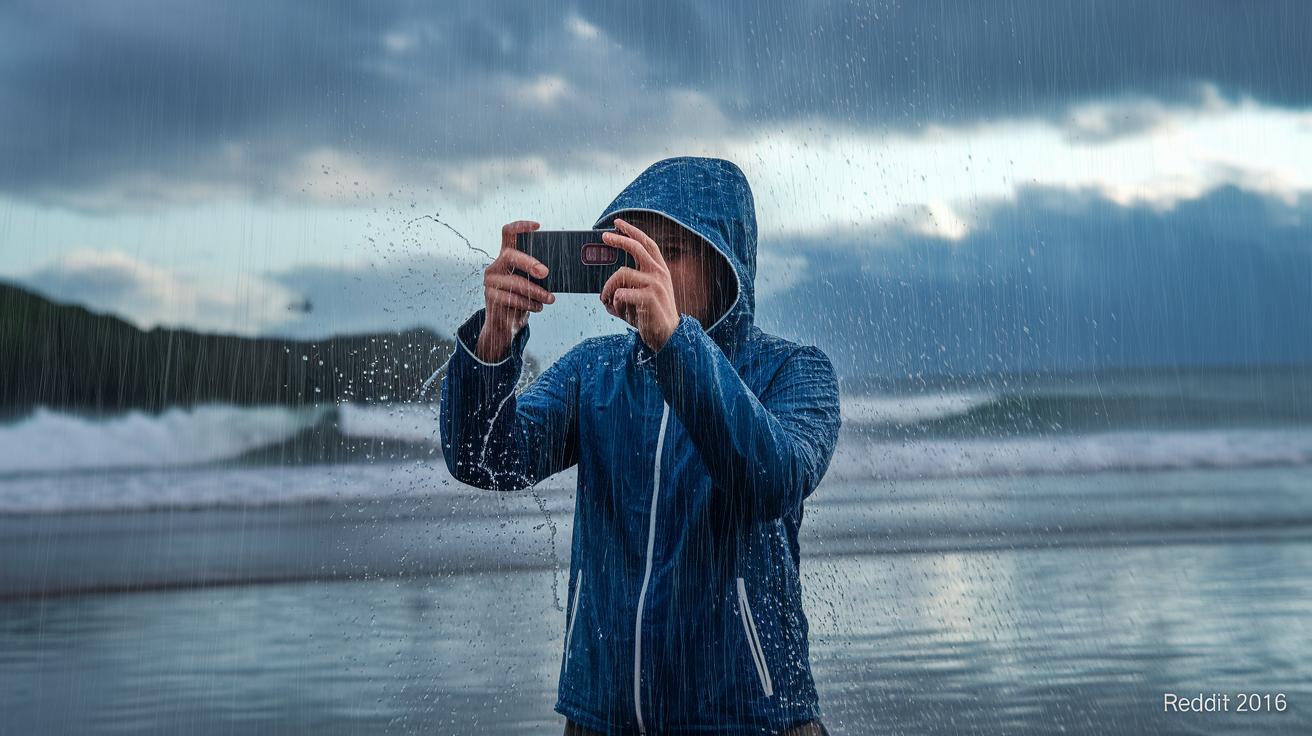
When filming in the rain, the phone’s built-in software really comes to the rescue. Its smart stabilization acts like a steady hand that smooths out your handheld videos so you capture clear footage of splashing waves and sudden movements. In our tests, the electronic stabilization kept the video sharp even during heavy rain and quick actions.
The AI scene optimization is another standout feature. It automatically adjusts brightness and color balance as you shoot, so when rain or reflected light changes the scene, your images still look natural. This is especially useful in low light when the phone’s infrared night vision steps in to preserve true colors and contrast without additional lighting.
If you like to take control, manual settings let you fine-tune options like ISO and shutter speed for a personal touch. For example, switching to manual mode while shooting rain lets you experiment with longer exposures to create creative blur effects without losing clarity.
- AI scene optimization adjusts exposure and color naturally.
- Electronic stabilization steadies your shots in wet conditions.
- Manual controls offer precise tweaks for a personalized image.
Together, these features boost the smartphone’s performance when you are capturing moments in wet and challenging environments.
Benchmarking Leading Waterproof Smartphone Cameras
We put top waterproof smartphones to the test by checking their video clarity, sports capture, and front camera quality. In real-life settings, we measured how each phone handled rapid splashes and tricky lighting.
The Blackview really stood out. It shot UHD videos in both the surf and pool, keeping every detail sharp even with fast-moving water and changing lighting. If you shoot outdoors a lot, this phone delivers reliable, clear video.
Next, we tried the No. 1 M2. Built tough enough for stormy Atlantic beaches, it maintained steady autofocus during fast sports scenes. Its video recording captured every burst of action with great detail even in challenging light conditions.
On the budget side, Mann models at about £99 offer a solid entry with reliable waterproofing in normal conditions. They work well for everyday photos but sometimes struggle with quick sports shots due to occasional autofocus delays. For selfies and action-cam style shots, all models provided decent quality, yet the premium phones like Blackview and No. 1 M2 led the pack with better brightness and color consistency in backlit settings.
Key findings include:
- UHD video clarity in both surf and pool
- Consistent autofocus during high-speed sports
- Superior front camera performance for action-style selfies
- Budget models offer good everyday use but may lag with fast action
Waterproof Smartphone Camera Pros, Cons, and Buying Guide
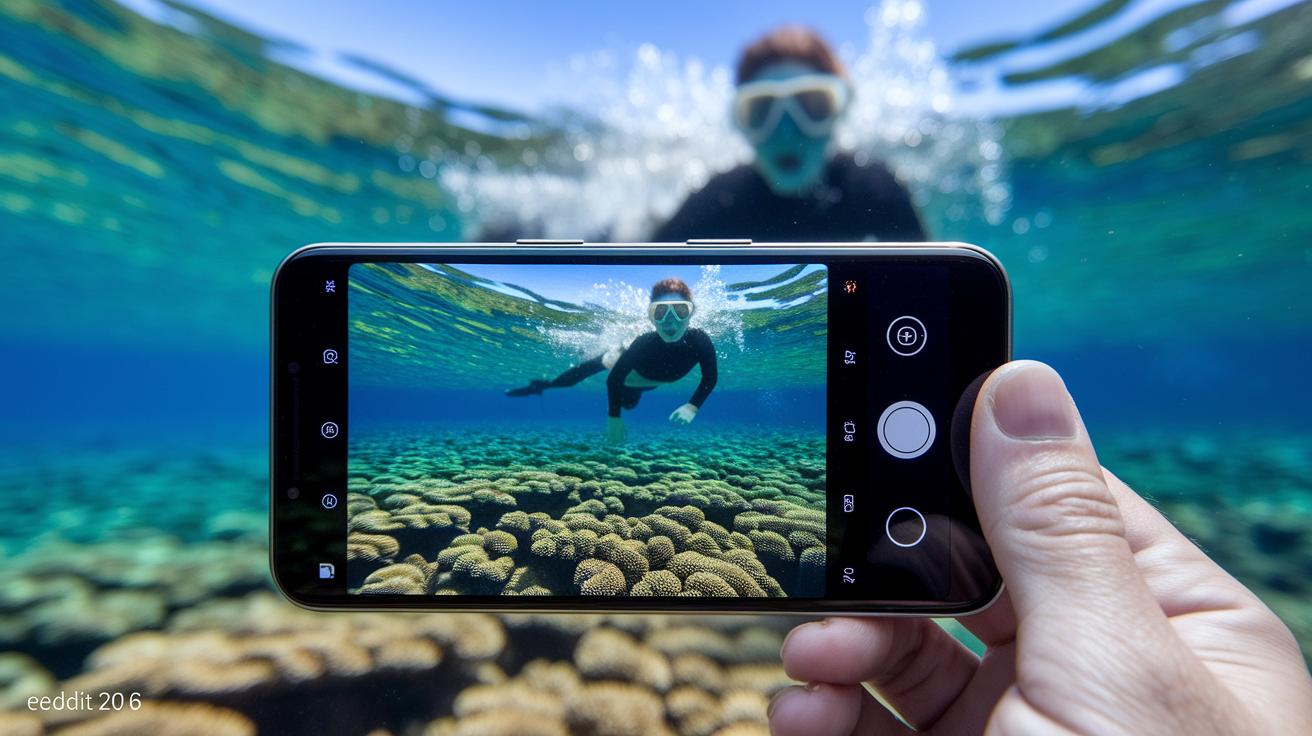
Looking for a smartphone that can take great photos even underwater? Waterproof designs combine smart imaging with practical pricing. For example, Mann models give you solid IPX68 protection at around £99, making them a great choice if you want durability without a big price tag.
Key points to keep in mind:
- Cost-effective models offer dependable waterproofing for everyday adventures.
- Premium housings, like those designed for GoPro, let you dive deeper but add extra bulk.
- Dedicated waterproof cameras are built to last, though they sometimes sacrifice image clarity compared to top-tier smartphones.
- Warranty coverage changes by manufacturer, so check the after-market support details before buying.
Balancing price and performance is key. Knowing these trade-offs helps you choose the right device for your everyday waterproof photography needs.
Final Words
In the action, we put waterproof smartphone cameras through real-world tests, from underwater immersion to drop and weather challenges. The review walked through design durability, sensor quality, stabilization software, and even night vision. Each section highlighted hands-on results and clear pros and cons for every budget. The detailed waterproof smartphone camera review shows which models hold up when the elements come into play. Overall, this guide aims to help you choose a device that delivers consistent imaging precision and resilience, keeping your tech ready for any wet conditions.
FAQ
What do reviews, including those on Reddit and from Samsung users, say about waterproof smartphone cameras?
Reviews indicate that waterproof smartphone cameras deliver solid performance in wet conditions, showcasing durability, stable imaging, and effective features like IPX68 resistance, which makes them reliable for splashes and light immersion.
What is known about the best waterproof digital and video cameras?
The best waterproof digital and video cameras combine rugged construction with high-quality imaging. They provide clear videos and photos even in adverse conditions, meeting the demands of underwater and outdoor activities.
Can a waterproof camera connect to a phone?
Some waterproof cameras offer built‑in connectivity options that allow pairing with your phone. This feature facilitates real‑time image sharing and remote control for added convenience during shoots.
Which smartphone offers top‑quality imaging and is suitable for underwater photography?
Certain smartphones excel in underwater photography thanks to optimized optics and sturdy housings. These models deliver impressive image quality, making them a solid choice for aquatic shooting.
How does a Kodak waterproof camera perform?
Kodak waterproof cameras generally provide reliable performance with clear images and robust protection. They are designed to meet basic underwater photography needs while offering user‑friendly features.
What are the features of the OM System Tough TG‑7 and Olympus Tough TG‑6?
Both the OM System Tough TG‑7 and Olympus Tough TG‑6 are built for rugged underwater use. They offer durable, weather‑resistant designs and strong performance, catering to users with demanding outdoor photography needs.
How do the Pentax WG‑1000 and WG‑90 digital cameras compare?
The Pentax WG‑1000 and WG‑90 cameras both deliver robust waterproof design and dependable imaging. They differ in specifications but each offers competitive performance suited for various underwater and outdoor photography scenarios.
What can be expected from the Sony Cyber‑shot DSC‑RX100 VII as a waterproof digital camera?
The Sony Cyber‑shot DSC‑RX100 VII is recognized for its excellent image clarity and solid video capture. While not solely focused on extreme underwater use, it provides great versatility in wet conditions.