
Ever wondered how your smartphone camera snaps such sharp images? Your phone’s sensor catches light and turns it into digital details in a way that's simpler than you might think. It picks up light, measures how bright it is, and records every bit of data so that even in dim settings your photos stay clear. In this article, we break down how the sensor works together with the lens and aperture, and why that matters for your shots. Stick with us to see how this little component truly makes a big difference.
How Smartphone Camera Sensors Work: A Complete Overview
Smartphone camera sensors are made of silicon and work by turning light into electronic signals. When you aim your phone at a scene, light passes through the lens, which gathers and directs it onto a grid of tiny light detectors called pixels. Each pixel measures how bright the light is and saves that information as digital data instead of using traditional film.
The sensor works hand in hand with the camera’s aperture, which is measured by F-stop numbers. A larger aperture means more light gets in, so the phone can take better pictures in low-light situations, even though it might make the background look softer. The lens helps by carefully guiding the light onto the sensor, using precise optical parts that cut down on distortions and boost clarity. Together, these elements let smartphones compete with bulkier cameras while keeping a compact design.
Modern smartphones also use smart image processing techniques. They combine data from several shots to lower noise and adjust colors, so your photos come out with sharp details and natural tones. In short, the mix of solid hardware and clever software makes today’s smartphone cameras quite impressive, even in tricky lighting conditions.
Architectural Advances in Smartphone Camera Sensor Modules
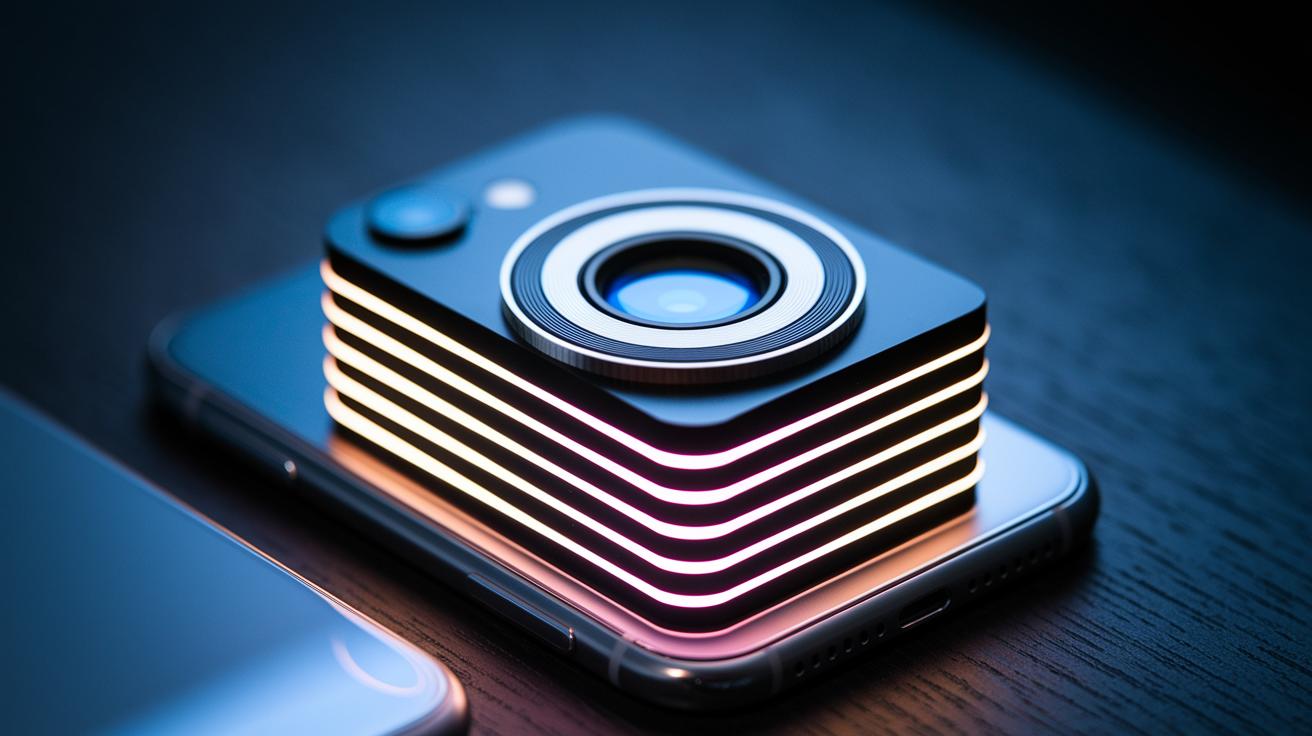
Modern smartphone camera sensors have come a long way with some clever new designs. Manufacturers now use a stacked CMOS sensor layout that separates the circuit layer from the photodiode layer (the part that captures light). This extra space lets the sensor catch more light, which means better shots in low light and less digital noise. In short, even when it’s dark, your images come out sharper and clearer.
Another cool innovation is the dual-layer transistor-pixel design. By moving the signal-amplifying transistor away from the photodiode, the sensor gathers light more efficiently and cuts down on interference. This leads to crisper images with more accurate colors. With advanced module integration, smartphones can tweak settings on the fly to handle different lighting conditions consistently. These breakthroughs not only boost picture quality but also open the door for even more future improvements in mobile photography.
| Sensor Architecture | Key Benefit | Real-World Impact |
|---|---|---|
| Stacked CMOS sensor | More space for the photodiode | Better low-light performance and less noise |
| Dual-layer transistor-pixel design | Improved light capture | Crisper images and more natural colors |
| Integrated sensor module | Real-time adjustments | Consistent performance in varying light conditions |
Sensor Size and Pixel-Level Factors in Smartphone Camera Sensors
Smartphone camera sensors are tiny workhorses. The sensor size affects many key features like resolution, how well the camera performs in low light, depth of field, and the field of view. A bigger sensor such as a full-frame (35 mm) captures more light and shows more of the scene. Since smartphones use much smaller sensors, every pixel has to work extra hard to catch enough light.
Because phones need to be both compact and high performing, manufacturers improve each pixel's design to boost light sensitivity. This means they fine-tune how each pixel turns incoming light into a digital signal. Even small tweaks can noticeably improve color accuracy and reduce noise in darker photos.
Sensor makers also face trade-offs when choosing formats like full-frame, APS-C, or Micro Four Thirds. Each choice helps balance resolution with low-light capabilities. In short, every decision in pixel and aperture design is made to get the best image possible from a small sensor.
Smartphone Camera Sensor Performance in Low-Light Conditions

This section is now part of the Architectural Advances coverage. In that section, you'll find clear details on hardware upgrades like the stacked CMOS sensor design and dual-layer transistor-pixel design. We also explain how advanced signal-processing algorithms work to capture extra light and cut down on noise in tough lighting. For a full look at how these features work together, please check out the Architectural Advances section.
Comparing Smartphone Camera Sensors with Traditional Camera Sensors
Traditional cameras feature larger sensors such as full frame, APS-C, or Micro Four Thirds that grab more light and deliver a higher dynamic range with a shallower depth of field. This means the images come out clearer and with less noise, which is why pros stick with them for precise results. Early camera phones, like the Kyocera VP-210 from 1999, used tiny chips that held back image quality. Today, though, smartphone sensors have come a long way with innovations like 1-inch stacked designs and dual-layer transistor-pixel setups that help close the gap, even in a small package.
Modern smartphones also lean on clever tricks like computational photography and multi-frame processing. Simply put, they take several shots and merge them using smart algorithms to enhance details, balance exposure, and cut down on noise. This blend of evolving hardware and innovative software lets smartphones stack up well against DSLRs and mirrorless cameras for everyday use. It gives users a straightforward way to capture high-quality images without the bulk of traditional camera gear.
Future Trends in Smartphone Camera Sensor Technology

Stacked CMOS sensors are set to become a staple in both high-end and midrange smartphones. Manufacturers are investing heavily in chip research to fine-tune these sensors and improve image quality. Thanks to the stacked design, smartphones will soon have room for larger photodiodes, which means better performance in low-light situations. We expect upcoming models like the iPhone 18 and Galaxy S26 Ultra to showcase these breakthroughs, making high-quality photography more accessible for everyone.
At the same time, dual-layer transistor-pixel modules are gaining traction in new devices. By moving the transistor away from the light-capturing area, these sensors boost the effective area for capturing light, which helps reduce noise and sharpen details. As smartphone camera systems continue to evolve, the integration of these advanced technologies will further narrow the gap between everyday devices and professional cameras.
Final Words
In the action, we examined how smartphone camera sensors convert light into digital images and the role of digital optical elements in that process. We explored modern sensor designs that improve low-light performance and the impact of sensor size and pixel details on image quality. We also compared smartphone sensors with traditional cameras and even looked ahead to emerging innovations. This overview sharpens understanding smartphone camera sensors, making it easier to pick a device that fits your needs. Enjoy capturing every moment with confidence.