
Ever wonder if your fitness tracker is really keeping pace with your active lifestyle? Many trackers oversell their features and may end up slowing you down rather than helping. That's why we took five devices and put them to work for us. We checked each one for heart rate tracking, battery endurance, and overall value. Our hands‑on tests cut through the hype and make it easy to find the perfect tracker to boost your daily workouts and keep you moving forward.
Top Fitness Tracker Reviews: 2025’s Leading Devices
Check out our comprehensive table comparing 12 of the best fitness trackers we tested for 2025. In this quick guide, you'll see key details like price, main features, and our overall ratings to help you decide which tracker fits your daily routine the best.
| Model | Price | Rating | Key Features |
|---|---|---|---|
| Fitbit Charge 6 | $99.95 | 8.0 | 40 exercise modes, 5ATM water resistance, GPS, multi-day battery, SpO2 & on-demand ECG |
| Apple Watch Series 11 | $299 | 8.5 | 5G support, ~2 days battery, hypertension alerts, extensive third‑party fitness app support |
| Samsung Galaxy Watch 8 | $249.99 | 7.5 | AI coaching for sleep/fitness, dynamic tracking, one‑day battery |
| Fitbit Inspire 3 | $69.95 | 7.0 | Color touch screen, always‑on option, activity & sleep metrics |
| Garmin Lily 2 | $199.99 | 7.5 | Women‑focused design, heart rate & sleep tracking, sleek style |
| Garmin Venu Sq 2 | $186.83 | 8.0 | Built‑in GPS, up to one‑week battery, SpO2 monitoring, Garmin Pay |
| Oura Ring 4 | $349 | 7.0 | Detailed sleep, fitness & stress tracking, subscription required |
| Samsung Galaxy Fit3 | $48.45 | 6.5 | Accurate heart‑rate, tracks 100 workout types, budget‑friendly |
| Apple Watch SE 3 | $199 | 7.5 | Always‑on display, same processor as Series 11, robust performance |
| Garmin Vivoactive 5 | $197.47 | 8.0 | AMOLED touchscreen, onboard music storage, Body Battery energy tracking |
| Polar Pacer Pro | $319.99 | 7.0 | Wrist‑based power metrics, ascent/descent tracking, non‑touch screen |
| Fitbit Ace 3 | $84.99 | 7.0 | Designed for kids, activity & sleep monitoring, 8‑day battery |
Each tracker brings its own strengths to the table. If you want a midrange model packed with features like ECG monitoring and built-in GPS, the Fitbit Charge 6 and Garmin Venu Sq 2 are hard to beat. For a premium feel with fast connectivity and strong third‑party app support, the Apple Watch Series 11 stands out. On the other hand, if you’re watching your budget, the Samsung Galaxy Fit3 and Fitbit Inspire 3 deliver solid performance without a high price. No matter your preference, there’s a tracker here that meets the needs of every fitness enthusiast.
Fitness Tracker Reviews: Performance & Accuracy Insights
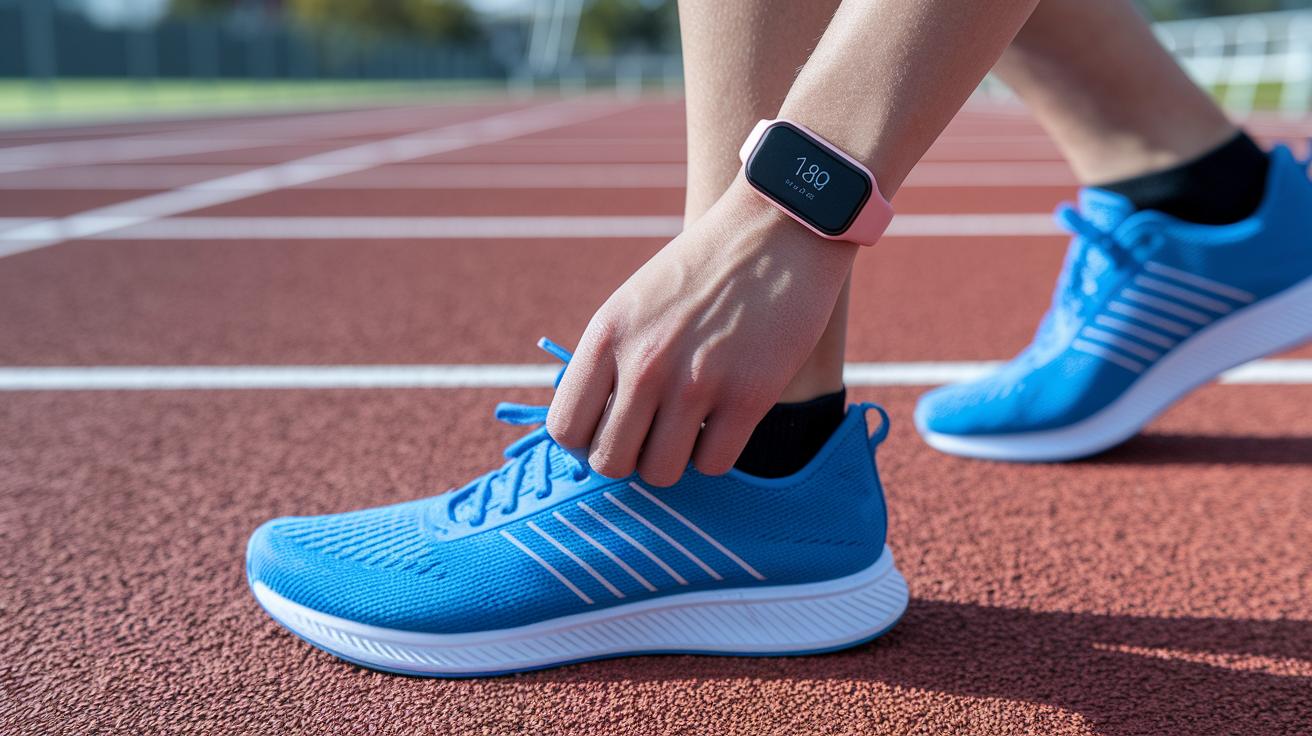
Since 2017, we've put fitness trackers through real-life tests. We ran them through common routines like running, cycling, gym sessions, and sleep monitoring. We compared how well each device handled cardio workouts, captured gym reps and sets without fuss, automatically recognized different activities, and kept an accurate step count. We also checked how comfortable they feel during long hours of wear.
Here's what we looked for:
- Cardio accuracy (running and cycling)
- Reliable gym activity and auto-detection
- Precise heart-rate monitoring
- Detailed sleep tracking
- Consistent step counting
Our tests showed that not all trackers play the same game. Models with advanced sensors easily handled high-intensity workouts and even broke down sleep stages in detail. Some devices nailed gym activity detection with little extra effort, while others had a small delay in updating heart rates during quick shifts in intensity. Step counting was nearly flawless on some units, though a few had minor discrepancies.
Every test was done under controlled conditions with a moderate screen brightness and default settings on both the tracker and its app. This review lays out the strengths and trade-offs of each fitness tracker, so you can choose one that best fits your daily routine.
Premium Sports Tracker Review: Advanced Features & Battery Life
Premium fitness trackers are built tough with water resistance to keep up with active lifestyles. For example, the Fitbit Charge 6 is rated 5ATM, which means it can handle plenty of sweat and even a quick dip in water. The Apple Watch Series 11 and Samsung Galaxy Watch 8 also come with rugged designs for everyday use. The Galaxy Watch 8 focuses more on smart coaching than deep water resistance, but all of these models balance strong protection with a sleek, fluid look that works for intense workouts and unpredictable weather.
Battery life is a big deal when picking a tracker. The Fitbit Charge 6 offers a battery that lasts multiple days, so you can go on long workouts or trips without worrying about recharging often. The Apple Watch Series 11 gives you about 2 days of battery life, while the Galaxy Watch 8 lasts roughly one day for those who value the latest fitness data more than long battery endurance. Other devices, like the Garmin Vivoactive 5, also promise solid battery performance, though features like onboard music can use up power faster. Charging is usually a quick and simple process, keeping your tracker ready to go.
High-end trackers mix advanced GPS and sensors with smart design choices. The Charge 6, for instance, comes with built-in GPS that maps your outdoor activities precisely. The Apple Watch Series 11 uses GPS along with 5G support to deliver real-time pace and connectivity. Meanwhile, the Garmin Vivoactive 5 boosts your workout experience with a bright AMOLED display and music storage, albeit with a design trade-off like an aluminum bezel. The Polar Pacer Pro, though it doesn't use a touch screen, still offers wrist-based power metrics and tracks ascents and descents with traditional sensors.
Budget Fitness Tracker Reviews: Best Under $100
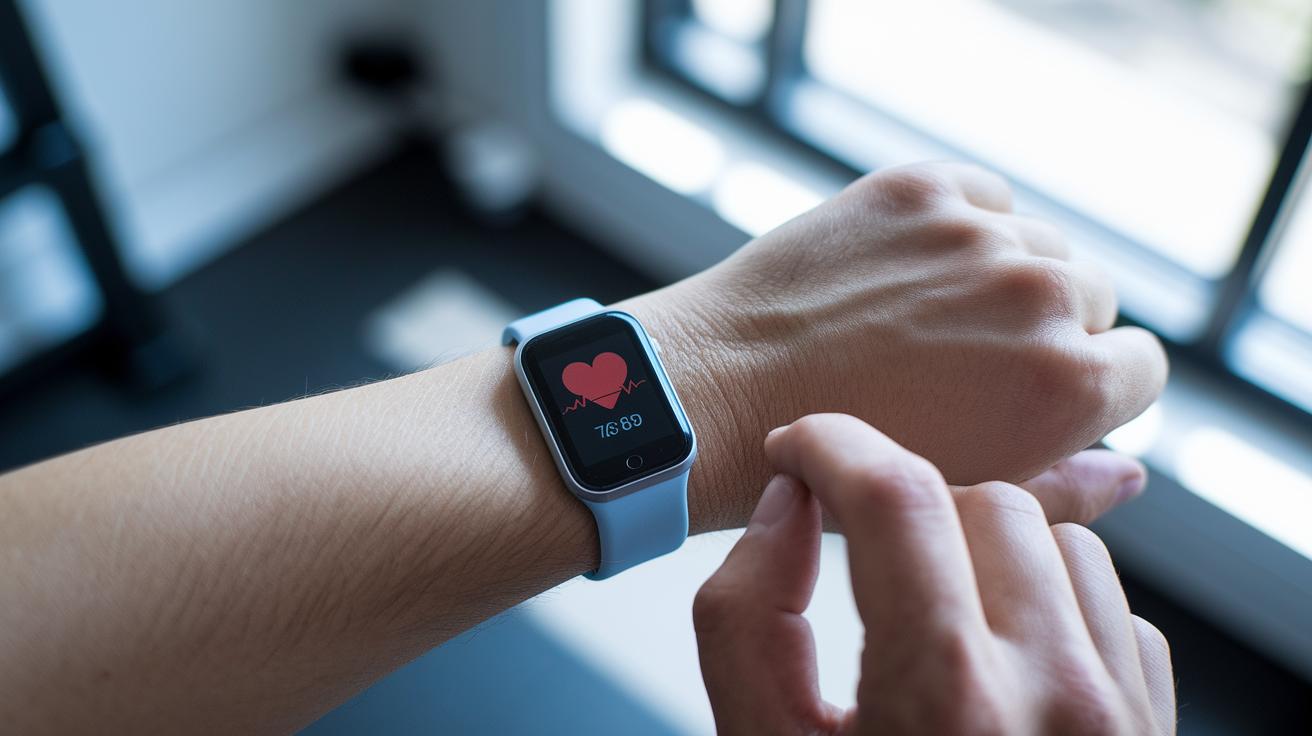
Budget fitness trackers deliver the essential features you need without draining your wallet. You might notice fewer sensors or limited app options, but they still keep track of your heart rate, daily activity, and overall health. With a focus on the basics, these devices offer a reliable way to monitor your fitness while keeping costs low.
Take the Samsung Galaxy Fit3, for example. At $48.45, it gives accurate heart-rate readings even though its sleep tracking is more basic. The Amazfit Band 7 comes in at around $48 and works seamlessly with both Android and iOS, making it a flexible option for many users. If you need a device that covers core activity and sleep data, the Fitbit Inspire 3, priced at $69.95, fits the bill. And for younger users, the Fitbit Ace 3 provides an 8-day battery life with a kid-friendly design, though it skips GPS features. Each option offers solid value for budget-conscious buyers, even if some advanced features are sacrificed.
Tracker Watch Evaluations: Design, Comfort & App Integration
When it comes to wearing a fitness tracker all day, both design and the companion app matter. We dug into details like device shape, strap materials, and how the app works with the hardware. Real user feedback helped us score the fit and check how easy it is to navigate the display, manage notifications, and use features like NFC and GPS.
Design & Comfort
Because you wear these devices all day, comfort is a must. We evaluated how each tracker feels during long workouts and found that those with adjustable, soft straps are favorites. One tester said, "I didn't feel the device even halfway through my workout, thanks to its light weight and ergonomic design." We factor in the overall weight and size, making sure the tracker stays comfortable even when you're on the move. A well-thought-out design not only keeps you comfortable but also helps you stick to your fitness goals.
App Ecosystem & Smart Features
Good hardware needs a matching app. A smoothly integrated companion app makes checking workout data and notifications a breeze. Users really appreciate a tidy dashboard where important health insights are just a glance away. One reviewer pointed out, "The app makes checking my heart rate stats as easy as a glance." Overall, careful app design boosts the daily usability of the tracker, making it a practical tool for staying on top of your fitness journey.
Fitness Tracker Reviews: Subscription Models & Ecosystem Costs
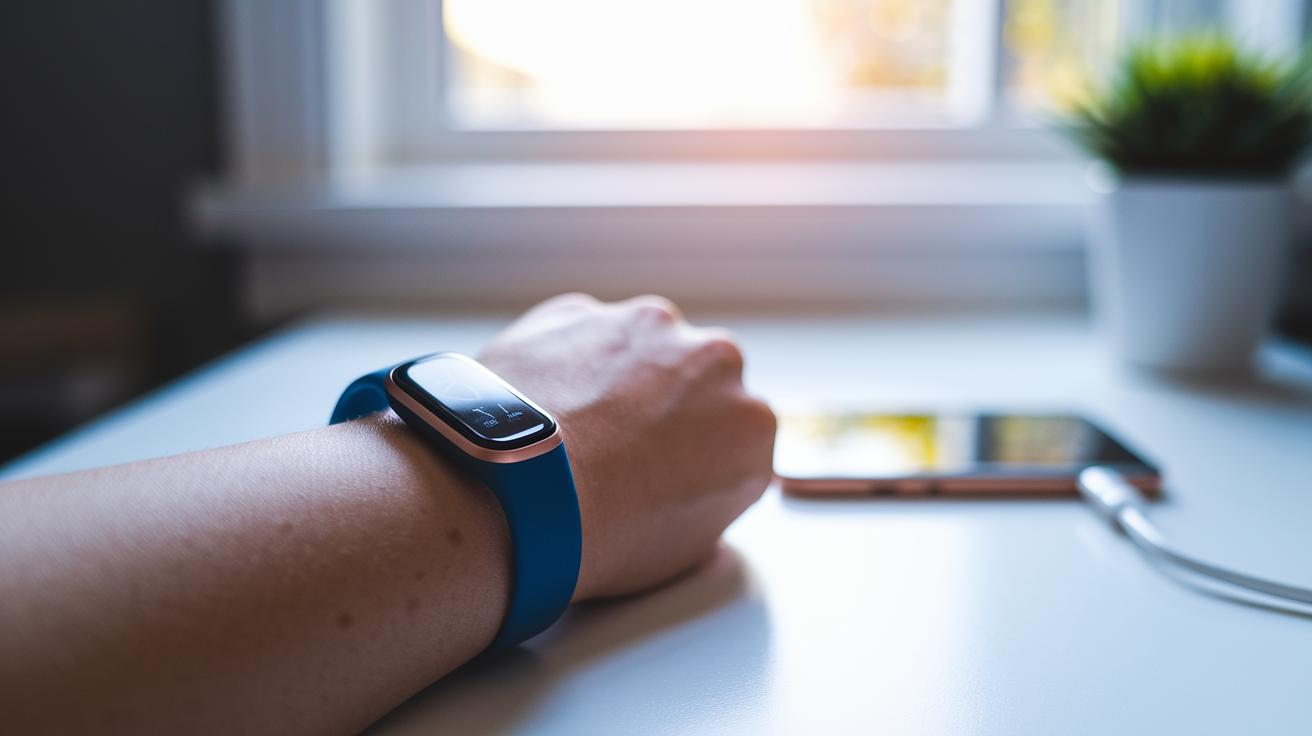
Many fitness trackers come with a twist, as some require a monthly fee to unlock deeper insights. For instance, the Oura Ring 4 offers basic tracking features for free but hides advanced analytics behind a subscription. Most wrist trackers let you view key data like heart rate, sleep, and activity logs without extra cost. However, if you want detailed trends and performance analysis, you may have to pay extra, which might not work if you prefer to keep costs low.
It’s also important to think about long-term reliability and software support. Regular firmware updates help keep your tracker fresh, but sometimes the really useful enhancements are available only to paying users. In some cases, critical performance upgrades are only unlocked with a subscription. Many of us might find that a tracker without recurring fees, yet still offering solid update support, is a better overall fit. We suggest weighing the ongoing costs against the benefits to choose the best tracker for your lifestyle.
Fitness Tracker Reviews: Pricing, Value & Purchase Guide
Fitness trackers come in a range of prices from about $48 up to $349, so there's likely a model that fits your budget and needs. If you're just starting out or count every dollar, models under $100 give you the basics, heart rate monitoring and simple activity logs, without overwhelming extras. For a sweet spot between price and features, trackers in the $100–$200 range offer reliable battery life and solid sensor performance without unnecessary bells and whistles. And if you want something more advanced, devices over $200 usually boast a premium build, built‑in GPS, in-depth health data, and a richer app experience.
When weighing features against price, think about what matters most to you. Entry‑level trackers, often found between $48 and $100, provide accurate heart-rate readings and straightforward activity logs, perfect if you need just the fundamentals. Midrange models in the $100–$200 bracket tend to deliver longer battery life and sharper sensors, which can make them a reliable all‑round choice for daily wear. And for those who depend on detailed health tracking, premium devices over $200 bring extra functionality like real‑time GPS and enhanced connectivity with smart devices.
Before you buy, consider your daily routine and future goals. Are you after a simple step counter and heart-rate monitor, or do you really need extra features to help track your overall fitness journey? Also, look for models that promise long‑term support and regular software updates, as that often signals lasting value.
Final Words
In the action, we reviewed top-rated devices, compared performance metrics, and scrutinized build quality. We broke down premium picks, budget-friendly options, and subscription models, offering clear insights in every section.
Our fitness tracker reviews covered everything from battery life to app integration, giving you a practical view of what to expect.
We hope this guide helps you match your budget and lifestyle to the right device. Enjoy the improved clarity, and may your next purchase keep you on track.
FAQ
Frequently Asked Questions
What do top fitness tracker and consumer report reviews reveal?
The top fitness tracker reviews consolidate side-by-side comparisons that focus on battery longevity, tracking accuracy, build quality, and ease-of-use. Consumer reports emphasize objective performance measures across various brands and price points.
What are the unique features of the WHOOP fitness tracker?
The WHOOP fitness tracker distinguishes itself by focusing on recovery and strain metrics, pairing its advanced health insights with a subscription-based model for continuous, in-depth performance analysis.
What makes Garmin fitness trackers a preferred choice?
The Garmin fitness trackers are favored for their precise GPS tracking, clear health metric reporting, and reliable battery performance. They offer robust features that cater well to both casual users and serious athletes.
Which fitness trackers offer quality performance without a subscription?
The best fitness trackers without a subscription include models like the Fitbit Inspire 3 and Samsung Galaxy Fit3, as they deliver essential tracking features without recurring fees, ensuring straightforward, cost-effective functionality.
Which fitness tracker delivers the most accurate health tracking?
The most accurate health tracking is found in devices equipped with precise heart-rate sensors and advanced step-count algorithms. Models from Garmin and Apple typically provide reliable real-time data through meticulous testing.
Which brand offers the best overall fitness trackers?
The best overall fitness tracker brand depends on individual needs, but brands like Fitbit, Garmin, and Apple consistently prove their worth by combining solid performance, durable design, and intuitive app ecosystems.
What’s the best fitness tracker to buy and are alternatives better than Fitbit?
The best fitness tracker to buy depends on your priorities. While Fitbit delivers strong basic and advanced features, alternatives from Garmin or Apple might be superior in GPS precision and comprehensive health monitoring for some users.