
Ever wondered if paying attention to your recovery could give your workouts a boost? The Whoop fitness tracker changes the game by providing real-time insights into your heart rate variability (how your heart bounces back), sleep quality, and exercise load. It uses a simple color-coded score that shows you exactly when it's time to push harder and when you should ease off. In this post, we explain how this smart strap becomes a powerful partner in your training, helping you make smarter workout decisions every day.
Whoop fitness tracker Elevates Your Workout
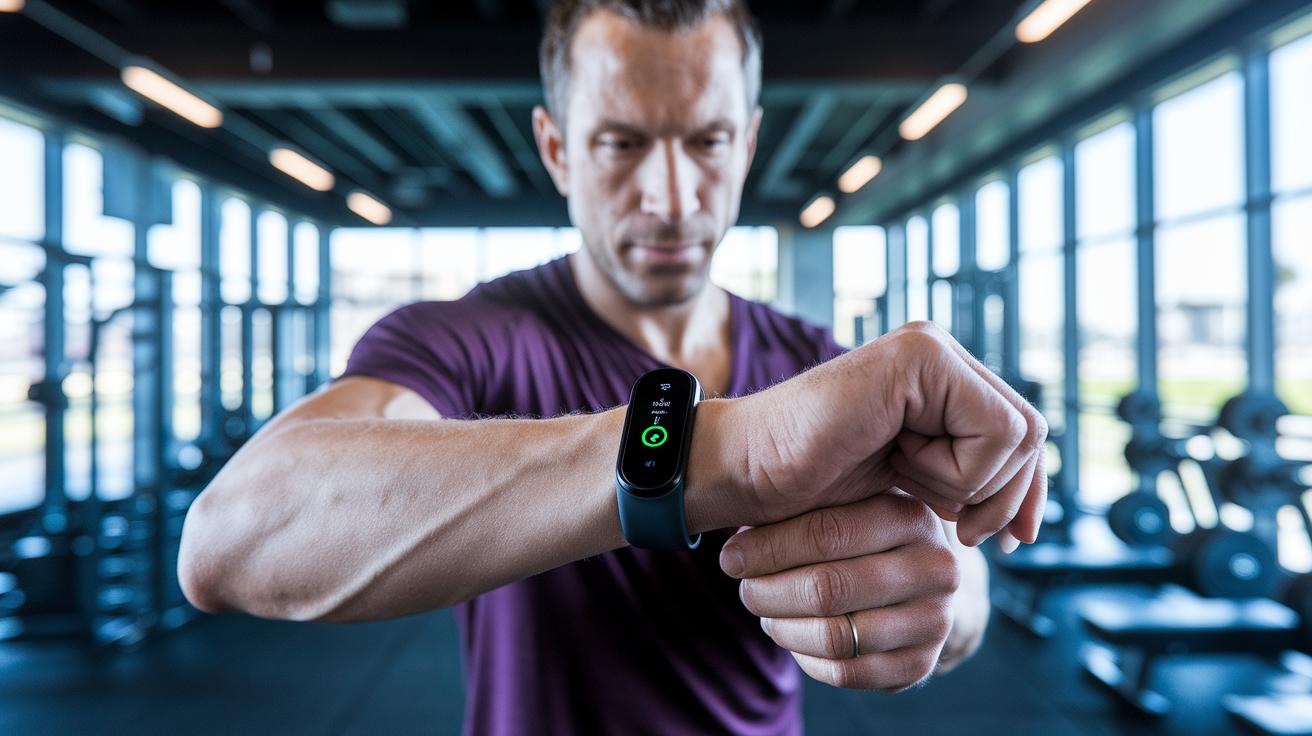
Whoop is a wearable that gives you full-body insights to help balance hard workouts and proper recovery. The device itself is free, but you pay for a membership plan. Plans start at $199 per year under the One tier, which comes with a wired charger. You can also upgrade to Peak at $239 per year or choose the Life tier at $359 per year if you want extra features like ECG readings and deeper stress analysis.
At the heart of Whoop is its recovery score. This score is calculated using your heart rate variability (HRV – a measure of how your heart beats vary), breathing rate, and sleep quality. The score is color-coded: green means you’re well-recovered, yellow shows moderate recovery, and red warns you to take it easy. It even tracks every push you make in the gym, balancing your workout strain with necessary recovery.
Whoop also keeps an eye on your sleep. It measures how much sleep you need versus how much you actually get. A smart alarm helps you wake up during a lighter sleep phase so you feel more refreshed, and in-app coaching gives tips on improving your rest. Plus, the built-in Journal feature lets you note your daily habits, while detailed weekly and monthly PDF reports give you an easy view of your progress. This way, you always have informed insights to guide your training.
Whoop fitness tracker design evolution and model comparison
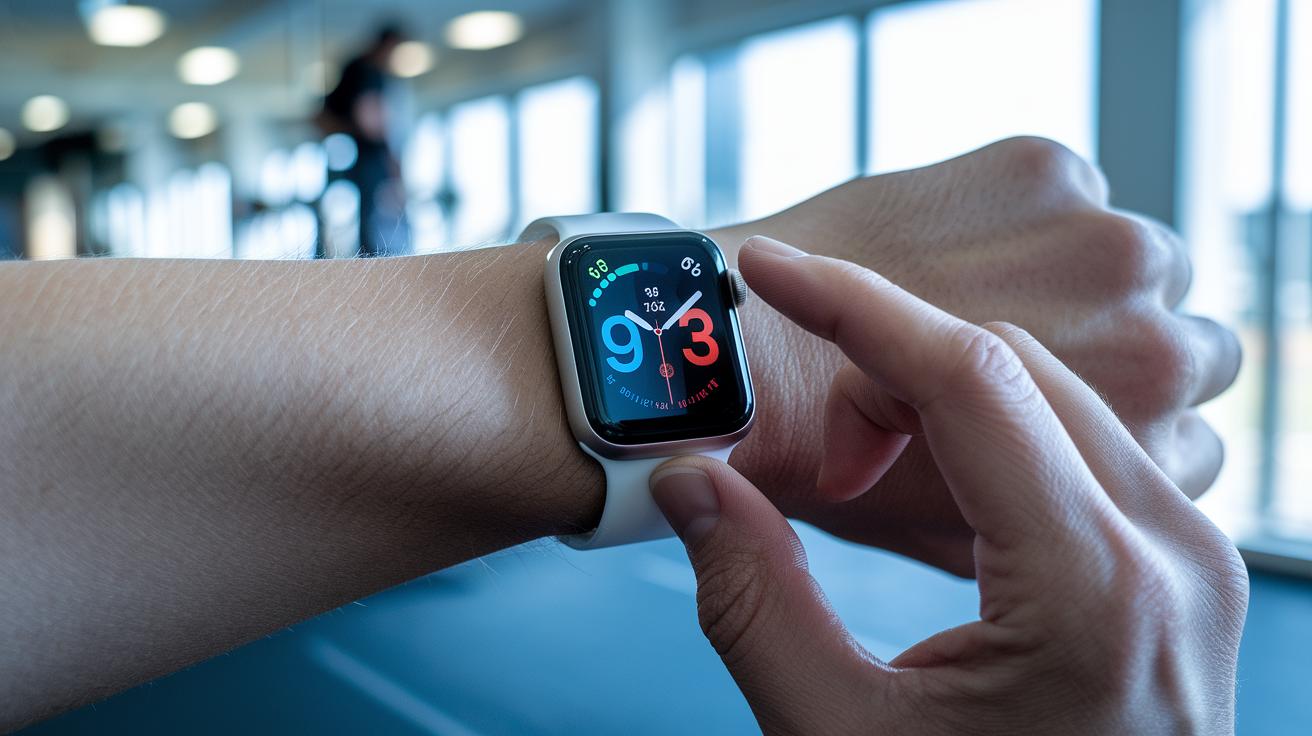
Whoop 5.0 is a noticeable upgrade over the older 4.0. It's about 10% smaller, so it sits nicely on your wrist and doesn’t snag on clothing during your day. The sleek, lower-profile design keeps all the useful features while offering better comfort and durability for both workouts and downtime.
The new model uses a hooked metal attachment that needs a careful setup at first. Once you position it right above your wrist bone, it stays in place even during the toughest sessions. A big plus is the battery life, boosting from 4 days on the previous version to roughly 13 days, which means less time charging and more time tracking.
For those who care about style as much as performance, the SuperKnit Luxe Band stands out. It features a classy silver clasp that elevates the look, unlike the standard fabric strap that might trap moisture and odors after a shower or swim. Overall, Whoop 5.0 is a solid update that blends improved design with practical everyday use.
Whoop fitness tracker performance metrics and health data analytics

Whoop gathers biometric information to help you keep track of your training, recovery, and overall health. It calculates a recovery score using heart rate variability (the differences between your heartbeats), your breathing rate, and your sleep quality. This score shows whether you're ready for your next workout or if you might need a bit more rest. It automatically spots when you've been active for 15 minutes or more to create a strain score, and you can also add your own activities. This helps you fine-tune your workouts and see how you improve over time.
The Total Day Stress Score breaks down your daily stress into simple color zones: blue for low, green for medium, and orange for high. This clear system makes it easy to understand how stress might be influencing your recovery. Plus, Whoop’s Healthspan suite goes further by offering insights like Whoop Age and your pace of aging, so you get a unique look at how your body holds up with regular exercise and everyday demands.
All your data is shown in a clear 7-day graph that displays the balance between strain and recovery. This straightforward chart lets you compare your daily numbers and adjust your routine based on trends. With accurate heart rate measurements and a deep dive into your biometric data, Whoop gives you a real look at your performance. Whether you're an athlete tracking intense training sessions or someone focused on general wellness, these insights help you make informed decisions.
| Metric | Definition | Benefit |
|---|---|---|
| Recovery Score | Combination of HRV, respiratory rate, and sleep quality | Shows readiness for training |
| Strain Score | Calculated from continuous heart rate data during activity | Helps manage workout intensity |
| HRV | Variability in time between heartbeats | Indicates stress and recovery levels |
| Respiratory Rate | Breathing rate during rest and activity | Assesses overall cardiovascular response |
| Whoop Age | Metric estimating biological age based on recovery data | Provides insight into long-term health |
Whoop fitness tracker battery life and charging accessories
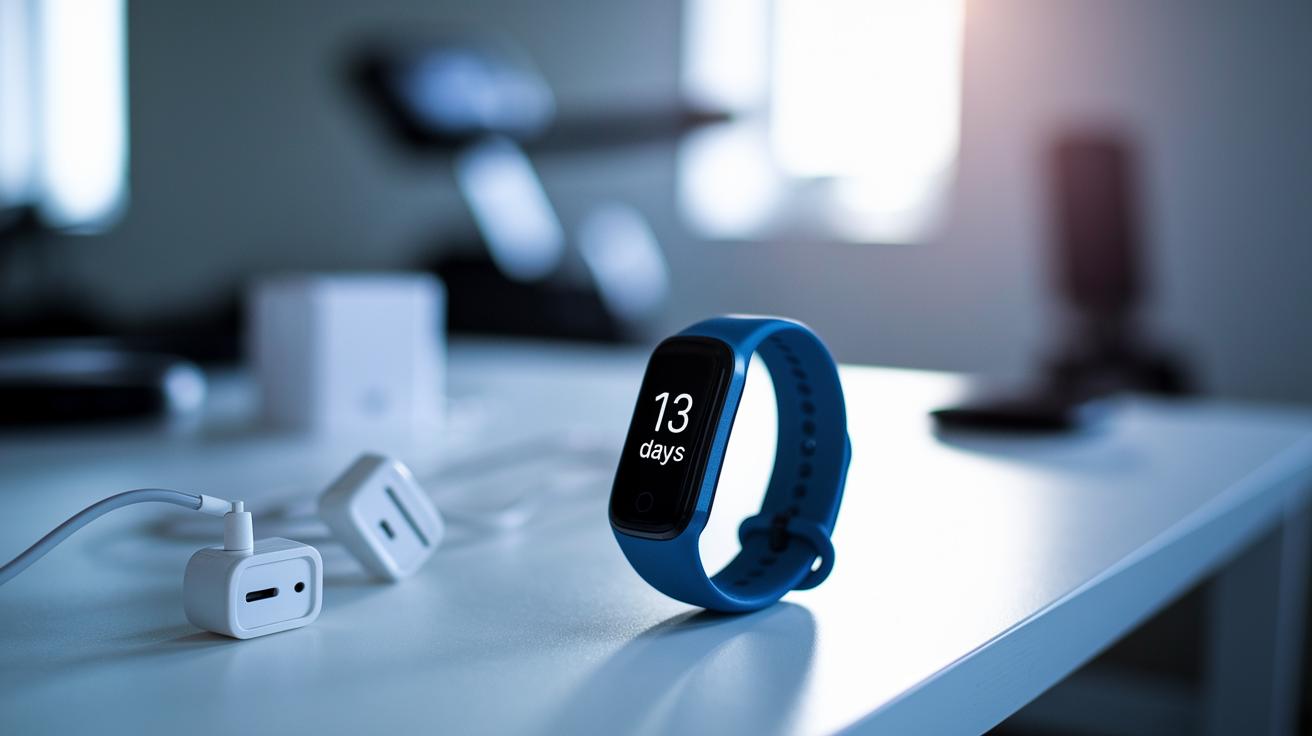
Whoop 5.0 brings a big improvement in battery life. While the earlier model needed a recharge every 4 days, this version easily lasts up to 13 days on a full charge. That means you can focus on your workouts and recovery without constantly worrying about recharging.
Depending on your membership tier, you get different charging accessories. With the One membership, you receive a wired charger that handles everyday needs. If you choose the Peak or Life memberships, you'll get a wireless charger that adds a little extra convenience when you're on the go.
Before you start using the device, make sure to give it a complete charge. It usually takes about 1 to 2 hours to fully charge. Thanks to regular firmware updates, battery management and charging have gotten even better, making sure you get a reliable, smooth experience every time you plug in your device.
Whoop fitness tracker subscription models and pricing breakdown

Whoop offers subscription plans that fit different workout goals. The One plan gives you the essential tools to start tracking your health. One user noted, "The Whoop 5.0 gave me reliable feedback to start my training journey," which shows it’s a solid baseline.
The Peak plan adds long-term tracking of stress and recovery. Many users say that watching these trends helps them decide when to push hard and when to ease up. One member explained, "The extra data helped me decide when to push harder and when to back off." This plan works well compared to other wearables that only track daily stats.
The Life plan brings advanced features like ECG readings that offer detailed heart insights during your workouts. Users appreciate the extra details that can catch even small changes in heart rate, letting them adjust routines to stay safe and improve performance. In one case, a user spotted early signs of fatigue and was able to tweak his routine before it got worse.
| Tier | Annual Cost | Key Features | Charger Type |
|---|---|---|---|
| One | $199 | Whoop 5.0 with basic metrics | Wired Charger |
| Peak | $239 | Extended health metrics and long-term data | Wireless Charger |
| Life | $359 | ECG readings and all advanced features | Wireless Charger |
Annual auto-renewal and simple cancellation through member support keep the process straightforward. This clean setup avoids extra clutter and lets the useful insights speak for how each tier can boost your workout routine.
Whoop fitness tracker app integration and real-time monitoring

The Whoop mobile app offers a friendly look at your fitness progress with live updates on how your body is performing. One of its coolest features is the Whoop Coach AI chatbot. This smart helper breaks down your daily stats in plain language and even suggests workout tweaks. Imagine opening the app and reading, "Your recovery score is high today, push harder if you're up for it!" It’s like having a coach in your pocket today.
Another handy tool in the app is the sleep coach with smart alarms found under the "Tonight’s Sleep" card. It gives you advice on when to head to bed and wake up during light sleep, so you feel more refreshed. Plus, the Journal lets you note habits like nutrition, alcohol, or stress to see how these impact your overall performance. For those who love details, you can download weekly and monthly PDF reports to explore your trends over time.
Overall, the interface is easy to use. However, we did notice a few bumps during testing such as some initial pairing issues with Android devices and occasional connection drops. Despite these minor setbacks, the app stands out as a solid, data-driven tool that helps you manage your workouts and recovery smartly.
Whoop fitness tracker user experience and testimonials
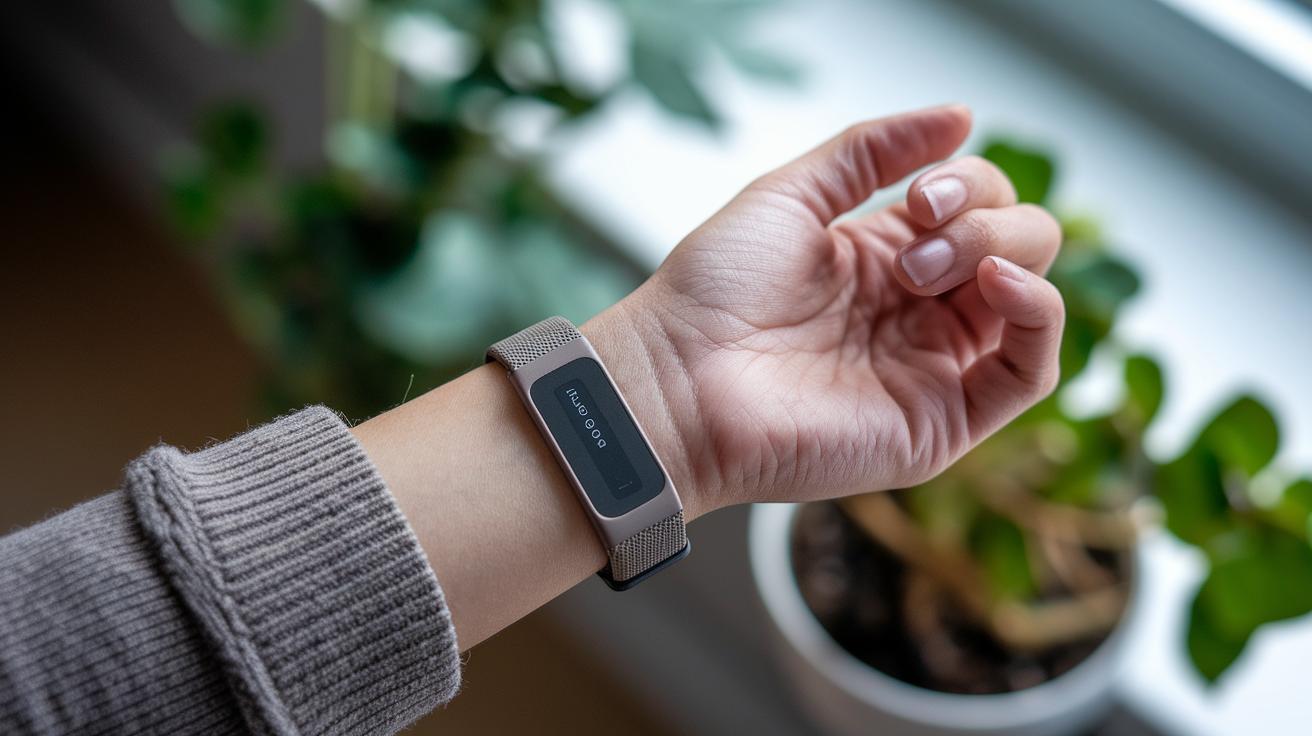
Over a six-week trial, most users wore the Whoop band just above the wrist bone, similar to how you might wear a bracelet. This spot helped ensure steady readings throughout everyday tasks. Both everyday users and reviewers praised its complete recovery insights and the fact that you don’t have to worry about recharging often. One tester even said they could concentrate on their workouts and recovery without thinking about the battery.
Experts have noted that the Whoop’s slim, comfy design works great for recovery and wellness tracking. That said, if you’re a runner looking for built-in pace or distance stats, this might not be the best fit. Community feedback also revealed that while the wealth of data might feel like too much for casual users, it’s a goldmine for dedicated athletes who want detailed feedback to fine-tune their routines.
Below are some of the key pros:
| Pros |
|---|
| Holistic recovery insights |
| Long battery life |
| Comfortable, low-profile design |
And here are a few cons:
| Cons |
|---|
| The fabric strap can trap moisture and odors after showering |
| It isn’t designed for tracking pace or distance during workouts |
In short, user testimonials suggest that Whoop is a reliable partner for anyone looking to monitor recovery and overall wellness.
Whoop fitness tracker vs other wearables: competitive comparisons

Whoop aims for a different crowd than most wearables. Instead of just counting steps or distance, it digs into recovery and strain details like heart rate variability, sleep quality, and breathing rate. For instance, while a runner might rely on their Garmin Forerunner to keep track of pace and distance, they often turn to Whoop to figure out when they're really ready for the next run. One runner put it perfectly: "While my Garmin kept my route in check, my Whoop data was key to knowing when I was truly ready for my next run."
When you stack Whoop up against the Apple Watch, the difference becomes clear. The Apple Watch shines with smart notifications and a broad range of apps that make it a handy everyday device. But if you're focused on tracking workout effort and recovery over time, Whoop stands apart with its specialized insights.
Looking at the Fitbit Charge, Whoop again raises the bar with deeper sleep and recovery analysis, thanks to its subscription service. The Charge handles basic activity and sleep tracking, but it doesn't offer the rich, detailed feedback that athletes need to adjust their training and rest periods. If maximizing performance through precise recovery data is your goal, Whoop is designed to be a solid companion.
Whoop fitness tracker maintenance, care, and support
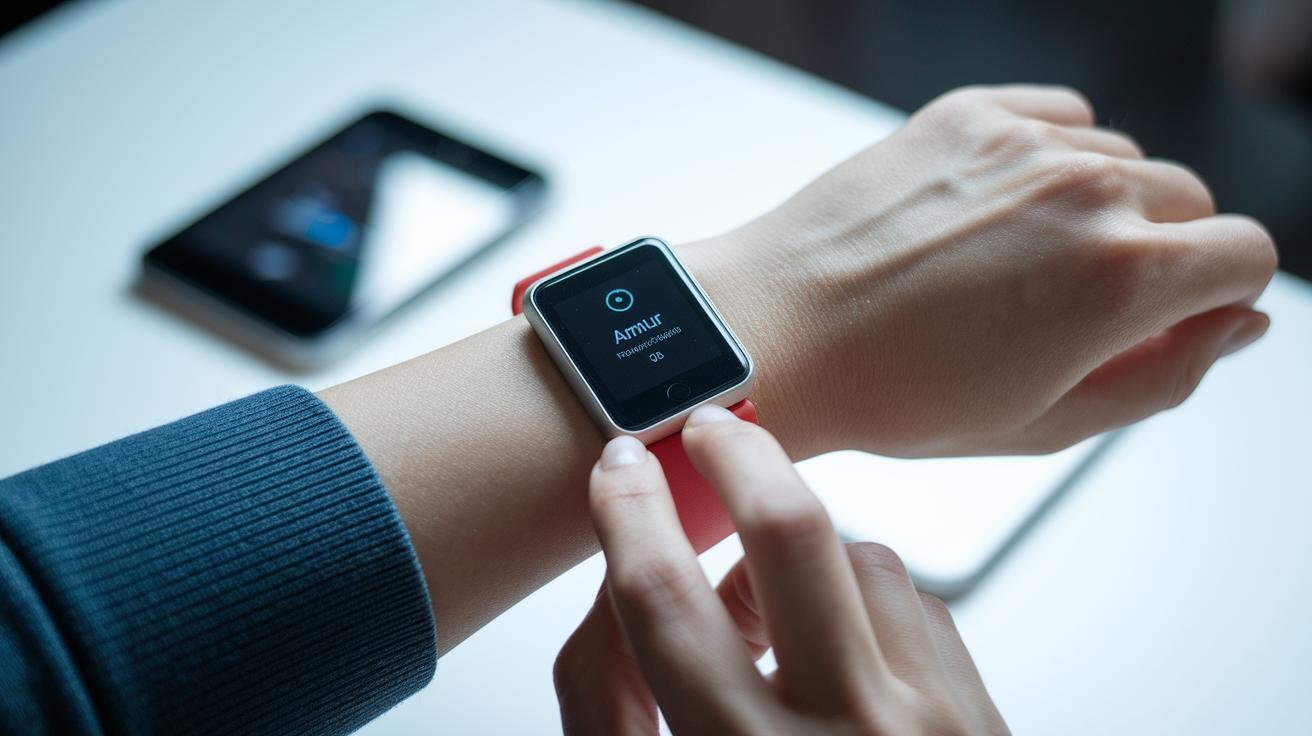
Keep your Whoop running smoothly by following a few simple tips. After a hard workout or a swim, gently wash the fabric strap with mild soap and water and let it air-dry completely before using it again. Avoid any harsh chemicals that might damage the strap or the metal clasp.
When you first wear your device, position the module about one finger width above your wrist bone for a secure fit. Don’t forget to run the initial firmware update to make sure all the tracking features work properly. I did this the first time I used my Whoop, and it made a big difference in getting reliable readings right from the start.
Also, keep in mind that your subscription renews automatically each year. If you need to change or cancel your membership, reach out to support directly. A bit of regular upkeep and timely updates will keep your Whoop workout buddy in top shape.
Final Words
In the action, we covered key benefits, design upgrades, and detailed performance metrics. We discussed battery improvements, subscription options, app integration, and even user testimonials. Each section revealed hands-on insights and real-world observations on recovery, strain, and wearable care. The review shares clear guidance for those seeking practical, value‑focused advice without the fluff. The whoop fitness tracker stands out for health monitoring and everyday training, offering reliable data to help you strike the right balance between work and wellness. Enjoy taking control of your health.
FAQ
How does the WHOOP subscription model work and how much does it cost?
The WHOOP subscription model requires an annual fee where the device comes free. Memberships range from One at $199, Peak at $239, to Life at $359, providing access to recovery, strain, sleep data, and additional advanced features.
Can I use a WHOOP fitness tracker without a subscription?
The WHOOP fitness tracker is built to work with its subscription service, meaning it cannot be used effectively without an active annual membership.
What does WHOOP USA refer to?
The term WHOOP USA indicates that both the fitness tracker and its subscription services are available in the United States, with pricing and support tailored for American users.
How do WHOOP Peak and WHOOP Life differ from the basic level?
WHOOP Peak and WHOOP Life are higher-tier memberships that offer extra features, such as deeper health metrics and a wireless charger, compared to the entry-level One membership.
What is WHOOP 5?
WHOOP 5 is the latest model in the series, featuring a smaller, lower-profile design, improved comfort and durability, and an expanded battery life of up to 13 days.
Is WHOOP worth it for fitness enthusiasts?
The WHOOP tracker delivers comprehensive recovery, strain, and sleep insights ideal for athletes and health enthusiasts, though its data-intensive approach may be more than needed for casual users.
What are the main downsides of using WHOOP?
The main downsides include dependence on an ongoing subscription, limited built-in metrics such as pace/distance for runners, and issues with strap comfort related to moisture retention.