
Ever wonder if the numbers your workout tracker shows are really on point? Heart rate monitors give you clear and trustworthy data to help you make the most of your exercise. You can choose from chest straps that use precise EKG sensors to wrist monitors that fit easily into your daily routine. Each one has its own perks. In this guide, we'll explain how to choose the right tracker for your goals and why getting accurate data can improve your performance and keep you on track.
Picking the Right Heart Rate Fitness Tracker for Your Exercise Goals

When you're picking a heart rate tracker, you need to balance sensor accuracy with everyday ease. For example, chest straps like the Polar H10 use an EKG sensor (which measures your heart's electrical activity) to deliver very precise readings. With its buckle connector and silicone dots, it stays in place even during tough workouts. Picture a device that holds steady while you sprint and gives you accurate results every time.
Devices such as the Garmin HRM-600 offer advanced heart rate monitoring along with everyday features. Its straps can be machine washed and come in two sizes, and handy lights show pairing status and battery level. Being water resistant to 5 ATM means you can wear it in the rain or during heavy workouts. Plus, its rechargeable battery lasts for months, making it a smart choice for long training sessions.
Wrist-worn trackers mix style with functionality. The Apple Watch Series 10, for instance, offers precise sensors and a wide range of app support. Although earlier versions of the Garmin Fenix 8 Elevate Gen 5 were a bit off with peak heart rate readings, a firmware update has smoothed that out. The Fitbit Charge 6 brings built-in GPS, 40 exercise modes, and a battery that lasts several days, while alternatives like the Oura Ring 4 and the Whoop MG band highlight everyday comfort alongside ECG-style heart insights.
In the end, the best tracker for you depends on your workout routine, the metrics you care about, and how comfortable it is to wear every day. Focus on battery life, water resistance, connectivity, and smooth app integration to pick a tracker that will truly support your exercise goals.
Comparing Heart Rate Fitness Tracker Sensor Types: Chest Straps vs. Wrist Monitors
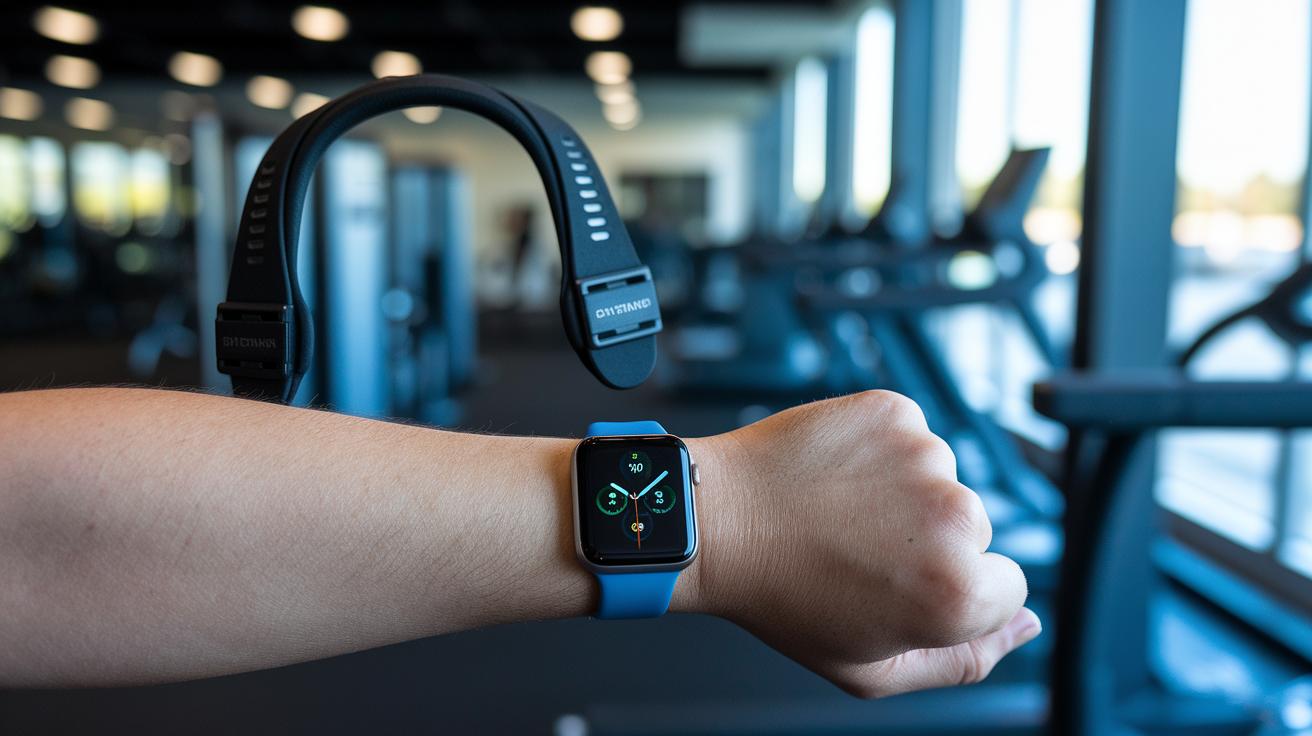
Chest straps remain the go-to choice when you need top-quality heart data. They pick up electrical signals straight from your heart, giving clear EKG readings that are especially useful during intense workouts. This setup cuts down on movement noise, enabling you to adjust your training pace on the fly.
Wrist monitors have come a long way. Modern models like the Pixel Watch 3 use improved algorithms to track not just your heart rate but also offer extra details like heart rate variability and ECG measurements. This helps you see how well you recover and manage stress after a hard session. Imagine checking your stats after a workout and noticing your recovery has improved, that’s the kind of insight these devices provide.
Your choice depends on your workout needs. If you’re an athlete wanting split-second accuracy during drills, a chest strap might suit you best. But if you prefer round-the-clock tracking with extra health stats, a wrist monitor is the ideal pick.
| Aspect | Chest Straps | Wrist Monitors |
|---|---|---|
| Sensor Type | Direct EKG sensor | Optical sensor with smart algorithms |
| Advanced Metrics | Instant performance feedback | Tracks heart rate variability and ECG (Pixel Watch 3) |
| Best For | High-intensity workouts and precise readings | Everyday use with broader health insights |
Evaluating Heart Rate Fitness Tracker Accuracy and Testing Methodologies
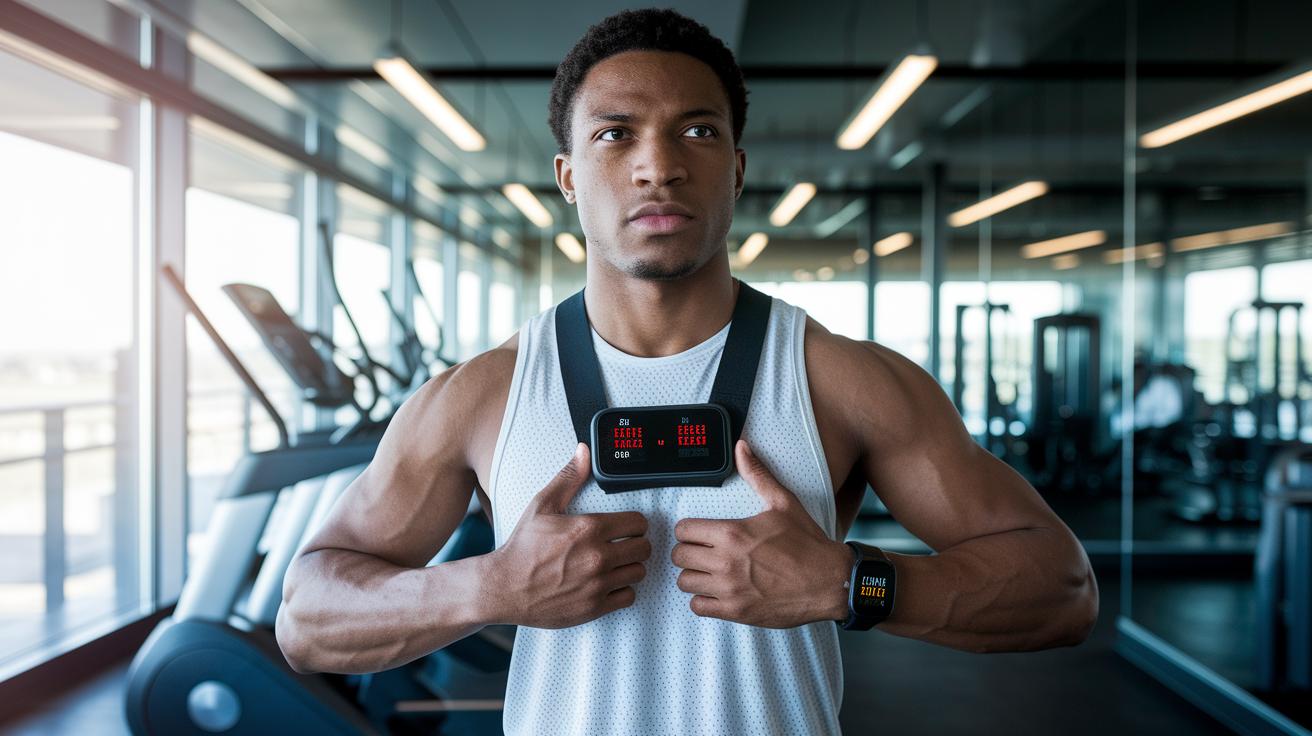
At Wareable, we put chest strap EKG sensors head-to-head with wrist-based optical sensors to see which one gives the most accurate heart rate readings. They track your beats per minute as you go from a steady pace to a high-intensity workout. Even a small error of 2 or 3 bpm can shift your training zone, which might mean you end up working too hard or not hard enough.
These devices also use both ANT+ and Bluetooth to sync flawlessly with gym equipment. This dual connectivity makes sure that your workout apps and machines get real-time, precise updates. Plus, firmware updates from big names like Garmin and Apple have helped a lot. Recent patches now make sensors warm up quicker and fix issues where heart rates were being overreported during intense bursts. Thanks to these fixes, whether you're using a performance pulse analyzer or a dynamic pulse recorder, you'll get consistent and reliable feedback every time you train.
Accurate heart rate tracking is key because it directly affects how well your workout hits your goals. When every beat is measured right, you can design your routine with confidence and get the most out of every session.
Top Heart Rate Fitness Trackers of 2025: In-Depth Reviews and Price Comparison

2025 is a great year for heart rate trackers. There’s a model for every kind of workout, whether you’re a serious runner needing detailed recovery info or someone who just wants a trusty companion to track both exercise and sleep. These devices not only monitor your heart rate accurately but also add features like GPS, multiple sport modes, and smart notifications.
Take the Fitbit Charge 6, for example. At about $99.95, it comes with 40 exercise modes, built-in GPS, and a 5 ATM water resistance rating so you can even swim with it. Its color touchscreen and smooth Bluetooth connection for gym stats make it a smart pick for athletes on a budget who still want full functionality.
If you’re looking for a more premium feel and extra features, the Apple Watch Series 11 might be right for you. Priced at $399, it runs almost two full days on a single charge, offers 5G cellular support, and boasts a tougher screen. It also works well with many third-party apps, making it a solid all-around cardio tracker.
The Samsung Galaxy Watch 8 is another strong choice. Going for about $349.99, it uses AI to provide sleep and fitness coaching and even has snore detection. However, it typically lasts around one day on a charge.
For those who want style along with tracking, the Garmin Lily 2, at roughly $199.99, focuses on design. It’s tailored for women by tracking heart rate, oxygen levels (SpO₂), and breathing, merging fashion with fitness.
Other options include models like the Garmin Venu Sq 2 at about $186.83 and the Garmin Vivoactive 5 at roughly $189.99, both known for vivid displays and longer battery life. If you prefer ring-based tracking, the Oura Ring 4 delivers insights on heart rate, sleep staging, and stress at $349.
Budget-minded users have plenty of quality choices as well. The Samsung Galaxy Fit3 is an affordable wrist tracker at around $48.90 with 100 workout modes, and the kid-friendly Fitbit Ace 3 comes in at about $84.99.
| Device | Price | Form Factor | Standout HR Feature |
|---|---|---|---|
| Fitbit Charge 6 | $99.95 | Wrist | 40 exercise modes & GPS |
| Apple Watch Series 11 | $399 | Wrist | Extended battery & 5G cellular |
| Samsung Galaxy Watch 8 | $349.99 | Wrist | AI coaching & snore detection |
| Garmin Lily 2 | $199.99 | Wrist | Design-focused HR tracking |
| Garmin Venu Sq 2 | $186.83 | Wrist | AMOLED & multi-day battery |
| Oura Ring 4 | $349 | Ring | Sleep staging & stress insights |
| Samsung Galaxy Fit3 | $48.90 | Wrist | 100 workout modes |
| Apple Watch SE 3 | $199 | Wrist | Strong performance at a lower price |
| Garmin Vivoactive 5 | $189.99 | Wrist | Onboard music & Body Battery |
| Polar Pacer Pro | $319.99 | Wrist | Runners’ power & ascent data |
| Fitbit Ace 3 | $84.99 | Wrist | Kid-friendly with long battery life |
Integrating Heart Rate Fitness Trackers with Apps and Wearable Ecosystems
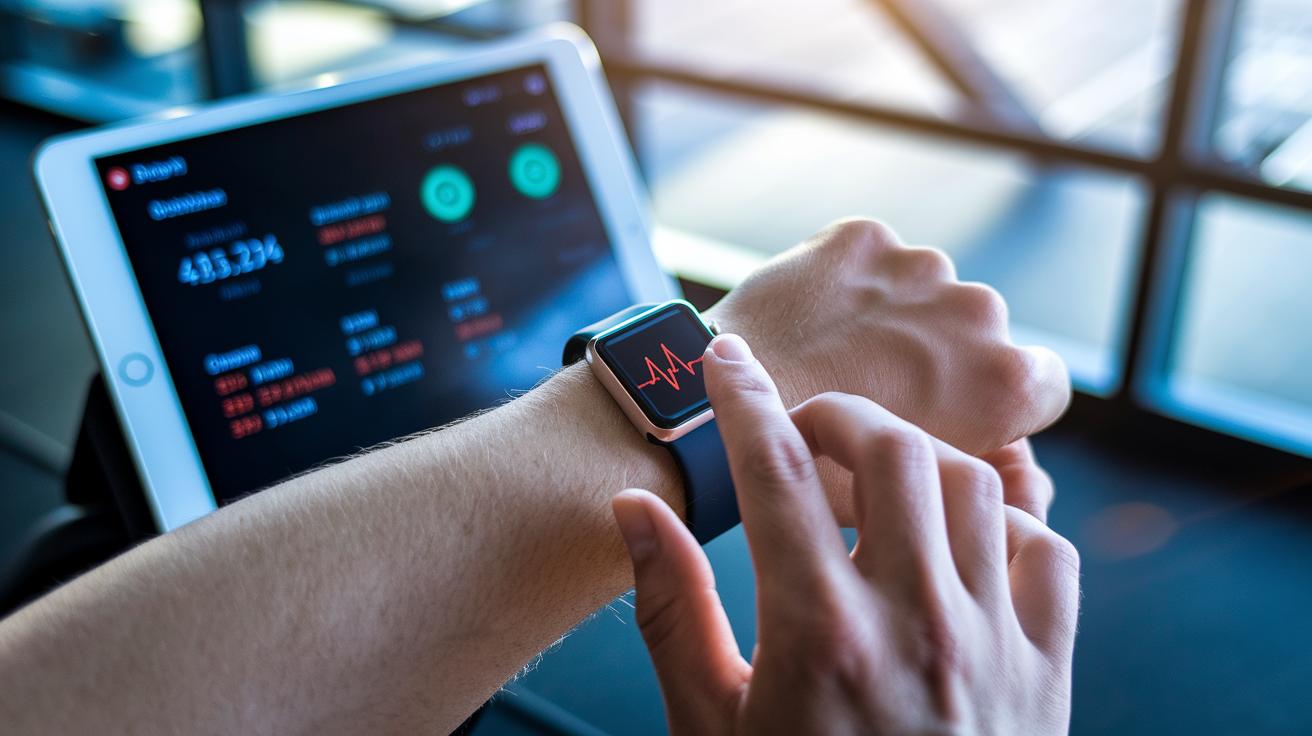
Heart rate fitness trackers really shine when paired with smart apps that give you clear insights about your health. For instance, Fitbit’s app turns raw data from sensors into a detailed look at your sleep patterns, telling you about each sleep stage and how well you recover. Garmin Connect breaks things down even further, offering training reports, tracking your Body Battery energy, and summarizing multi-sport sessions so you can see your progress from every workout. Oura’s app gives you a daily readiness score along with heart rate variability facts, helping you fine-tune your training based on how you feel.
Apple Health pulls together ECG, HRV, and workout data from different devices, making it easy to keep everything in one place. And Google Fit adds to the picture by syncing your heart rate during runs and keeping an eye on your stress levels throughout the day.
Whoop’s platform goes a step further with a subscription model that digs deep into your heart’s response during exercise, offering advanced insights for those who want more detailed data. Plus, thanks to Bluetooth connectivity, many of these devices can hook up with modern gym equipment like treadmills and bikes, sharing your workout stats right away.
In short, when you connect your heart rate tracker with these apps and devices, it turns into an interactive tool that gives you real-time coaching and practical health advice tailored just for you.
Maximizing Your Workout with Real-Time Heart Rate Fitness Tracker Data
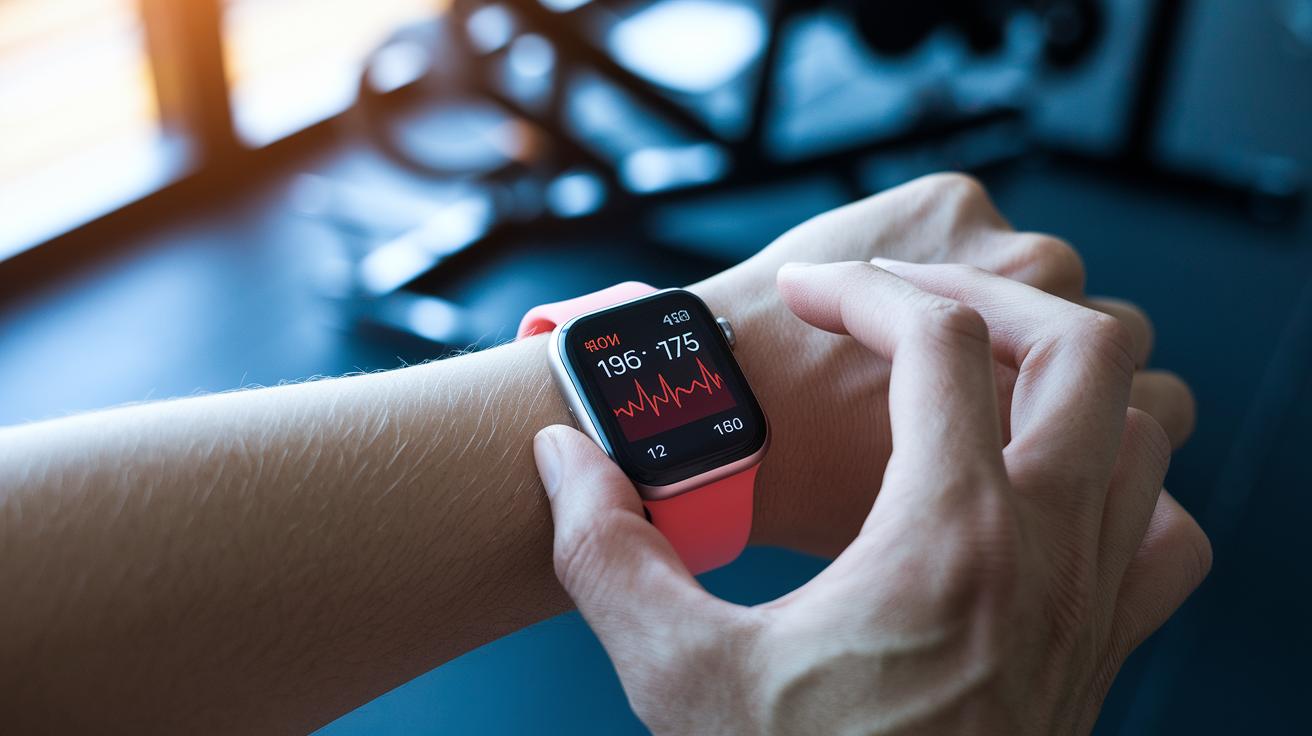
When you see your heart rate instantly, you can easily tailor your workout to hit the right zones. Whether you’re aiming for fat burn (60-70% of your max heart rate), cardio (70-85%), or peak performance (85-95%), even small changes in your BPM can impact your session. This quick feedback helps you adjust your pace on the spot.
Imagine doing a HIIT session and noticing a sudden spike in your heart rate. You can immediately ease off to avoid overshooting your peak zone or missing vital recovery time. It’s like having a coach right there with you, reminding you to slow down and catch your breath.
Modern fitness trackers often include heart rate variability data. This extra piece of information tells you how well you’re recovering between bursts of activity. Use it to decide when it’s time to push harder or when to let your body recover.
In short, real-time heart rate data gives you more control over your workout, allowing you to maintain the right effort and recover smartly for better results.
How to Choose and Maintain Your Heart Rate Fitness Tracker
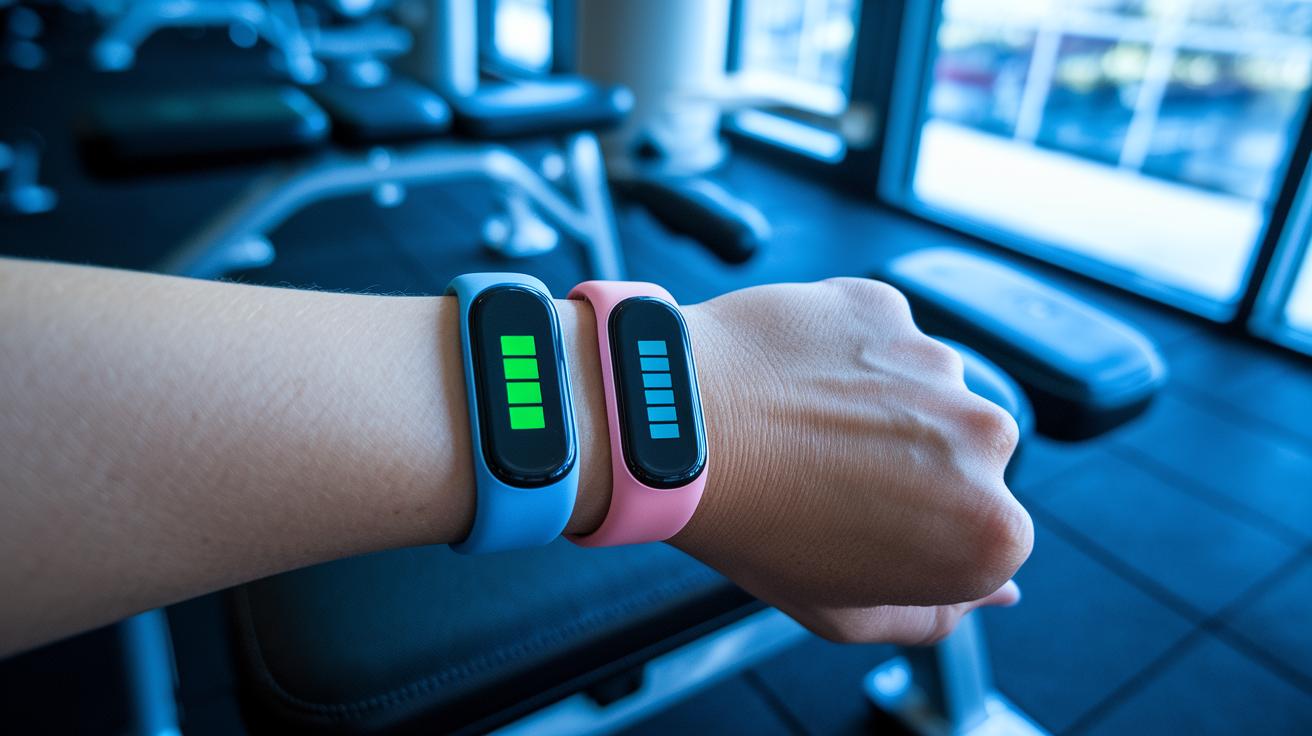
When picking a heart rate fitness tracker, focus on the battery life you really need. For instance, the Garmin HRM 600 strap can run for months on one charge, while the Fitbit Charge 6 gives you several days of power. More wallet-friendly choices, like the Samsung Watch 8, might need a daily recharge. Make sure you choose one that fits your workout routine.
Water resistance is another must-have feature. Look for trackers rated at 5 ATM so they can handle sweat, rain, and even a quick swim. If you plan to use your tracker during intense workouts, opt for one with a strong sensor that keeps up even when you're pushing hard.
Taking care of your tracker is just as important. Some chest straps, like the Polar H10, come with washable fabric and silicone dots that keep the sensor in place. Remember to remove the sensor before washing the band to keep it clean. Regular firmware updates can sharpen sensor response times and boost accuracy. Wipe the optical sensors gently with a soft cloth and consider replacing worn bands every year. This simple upkeep helps ensure your tracker stays reliable and accurate for every training session.
Final Words
In the action, we summarized key aspects from sensor types and real-world testing to selecting a heart rate fitness tracker that suits your workout needs. We compared chest straps with wrist monitors and discussed data accuracy, battery life, and connectivity with companion apps. You now have a clear view of the trade-offs between comfort, precision, and additional features. This guide breaks down the complexity into everyday language, making the selection process easier. Enjoy your workouts and make the most of your heart rate fitness tracker for improved training outcomes.
FAQ
What is the most accurate heart rate monitor for fitness?
The most accurate heart rate monitor for fitness usually comes from chest-strap options, which use EKG sensors to provide precise readings. Devices like the Polar H10 are well-regarded for their consistent accuracy during intense workouts.
Which fitness tracker is best for the heart?
The fitness tracker best for the heart typically ensures continuous heart rate monitoring with accurate sensor technology and actionable feedback. Many users favor models like the Apple Watch Series and certain Garmin devices for this reason.
Is a heart rate of 170 ok when exercising?
A heart rate of 170 during exercise is common for high-intensity workout sessions, though it varies by age and fitness level. Consulting with a trainer or medical professional is advisable to tailor safe training zones.
How accurate are fitness trackers for heart rate?
Fitness trackers vary in accuracy; chest-straps often deliver closer readings with EKG-based sensors, while wrist-worn devices may show slight variations due to movement or sensor placement.
What does a heart rate fitness tracker app do?
A heart rate fitness tracker app syncs with wearables to display real-time heart rate data, analyze workout intensity, and help you monitor recovery and progress using clear training zone indicators.
What can I find in heart rate fitness tracker reviews?
Heart rate fitness tracker reviews provide insights on sensor accuracy, battery life, comfort, water resistance, and app integration, helping you compare models based on real-world performance and daily wearability.
How does the heart rate fitness tracker on the Apple Watch work?
The heart rate fitness tracker on the Apple Watch continuously monitors your pulse through optical sensors, offering accurate real-time data and integration with the Apple Health app for a full picture of your workout.
What are some popular heart rate fitness trackers on Amazon?
On Amazon, you can find popular models like the Fitbit Charge 6, which feature built-in GPS, multiple exercise modes, and user-friendly apps that deliver detailed live heart rate data and tracking capabilities.
How does the WHOOP fitness tracker deliver advanced insights?
The WHOOP fitness tracker offers advanced insights by tracking your heart rate variability and recovery metrics, though its enhanced features usually require a subscription for in-depth health and performance analytics.
What distinguishes a medical heart rate monitor from consumer trackers?
A medical heart rate monitor is designed for clinical accuracy and may undergo stricter validation processes, while consumer trackers focus on everyday fitness insights and convenient, continuous monitoring for training.
What features does the Garmin fitness tracker offer?
Garmin fitness trackers often provide dual connectivity, responsive AMOLED displays, built-in GPS, and features like Body Battery energy metrics, making them a popular choice for workouts and everyday health monitoring.
What are the key improvements in the Fitbit Charge 6 Fitness Tracker?
The Fitbit Charge 6 introduces built-in GPS, 40 exercise modes, and multi-day battery life along with enhanced heart rate tracking that makes it easier to monitor workouts and overall fitness trends.
How does the Fitbit Inspire 3 Health Fitness Tracker help users?
The Fitbit Inspire 3 tracks heart rate and daily activity while offering a lightweight, user-friendly design, which helps users keep tabs on their overall health and encourages a more active lifestyle.
What does the Fitbit Versa 4 Fitness Smartwatch offer in tracking?
The Fitbit Versa 4 delivers comprehensive fitness tracking with continuous heart rate monitoring, exercise modes, and smart notifications, providing clear insights that help users optimize daily workouts.
How is the Fitbit Sense 2 Advanced Health Smartwatch different?
The Fitbit Sense 2 stands out by combining advanced sensors, including ECG and SpO₂ monitoring, with stress management features, offering deeper insights into both your fitness and overall health.
What health features are available on the Fitbit Charge 5 Advanced Fitness Health Tracker?
The Fitbit Charge 5 includes features such as real-time heart rate tracking, stress management tools, built-in GPS, and daily readiness scores to help you understand your workout intensity and recovery.
What can you expect from the Samsung Galaxy FIT 3?
The Samsung Galaxy FIT 3 is an affordable option offering accurate heart rate monitoring across workouts, multiple sport tracking modes, and seamless integration with Samsung’s fitness ecosystem to keep you on track.