
Have you ever wondered if a traditional look can keep pace with modern digital needs? Hybrid watches blend classic style with practical notifications, while smartwatches offer bright screens and full connectivity at your fingertips. Each type has its own appeal: hybrids focus on simple durability and a refined design, whereas smartwatches emphasize interactive features and customizable displays. In this post, we break down the benefits and trade-offs of each option to help you decide which watch matches your everyday routine without compromising on style or functionality.
Hybrid Watch vs Smartwatch: Key Differences at a Glance
Hybrid watches mix the charm of traditional analog designs with a few smart features. They feature real mechanical hands alongside digital functions like counting your steps and sending gentle vibration alerts. This makes them ideal for anyone who loves a timeless look but also wants simple notifications on the go. They use just a little digital power, which allows their battery to last anywhere from 2 to 24 months on a tiny coin-cell battery – meaning you won't have to recharge them often. Prices usually range between $100 and $300.
Smartwatches, on the other hand, fully embrace the digital world. They come with full-color touchscreens that let you run apps, make calls, send messages, and control media right from your wrist. This high-tech interface packs in many modern features, but it also means the battery drains faster, typically needing a recharge every 1 to 2 days. Prices usually start at around $200 and can climb well above $500, depending on the model and extra features.
Comparing their display technology, battery life, notification support, and price can help you decide which watch fits your daily needs best.
Hybrid Watch vs Smartwatch: Elevate Your Style
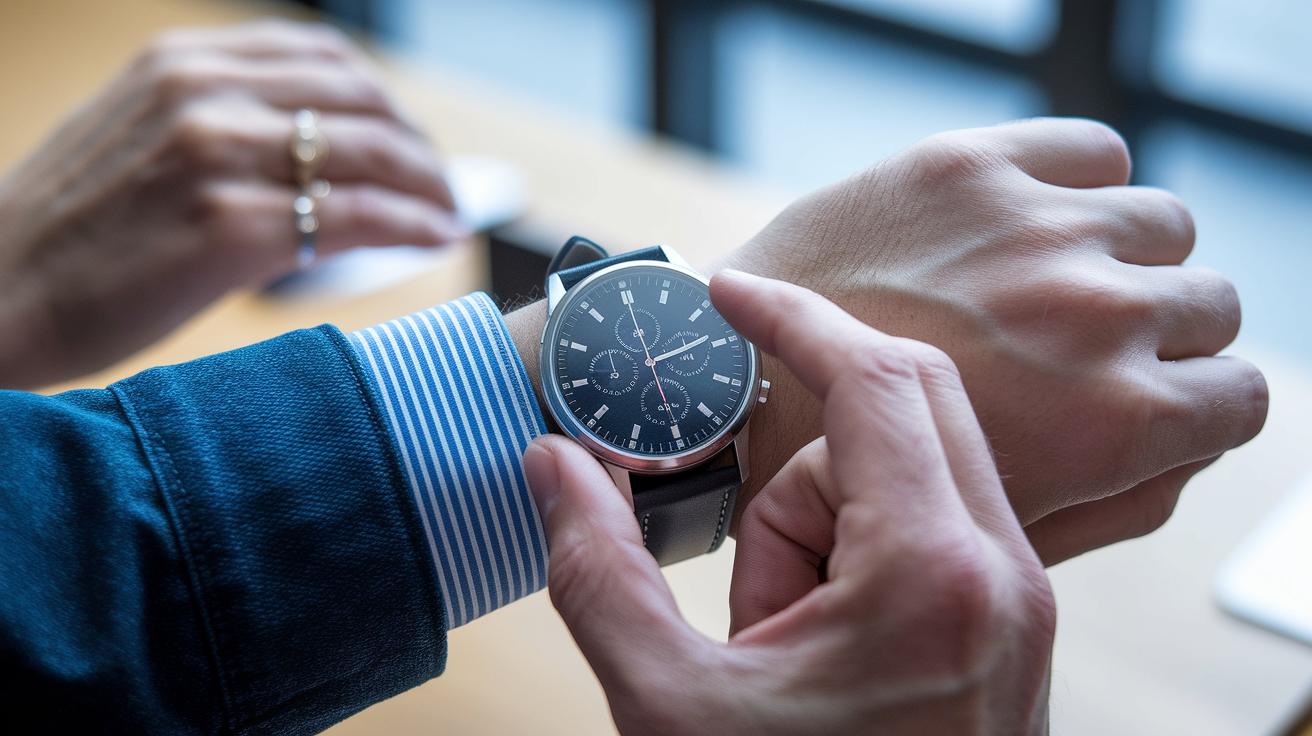
Hybrid watches combine a classic look with modern hints in a simple, everyday way. They feature traditional mechanical hands over a small LED or e-ink screen. This combo gives you a clean dial that still lets you know when something important happens. For instance, your watch might give a soft vibration to alert you of a call while keeping its timeless style.
Smartwatches take a more modern approach with bright LCD or OLED touchscreens. These screens show sharp images and let you change the look of your watch with custom layouts, colors, and animations. The difference is clear: a hybrid watch keeps things simple with a classic dial, while a smartwatch provides a lively digital experience with lots of interactive options.
When it comes to build quality, the choices point to different lifestyles. Hybrid models usually come with leather or stainless-steel straps that are rated around 3 to 5 ATM, which works well for everyday splashes. In contrast, smartwatches often use silicone or woven nylon bands and are built to higher water-resistance standards, frequently rated at 5 to 10 ATM. That makes them a strong choice if you’re looking for a watch that can handle swim-proof activities while still offering lots of digital features.
Feature Breakdown: From Notifications to Apps
Hybrid watches and smartwatches both keep you connected, but they do it in their own ways. Hybrids stick to the essentials like step tracking and subtle alerts, while smartwatches bring a full range of interactive features to the table. Check out the comparison below to see how each style handles the key functions:
| Feature | Hybrid Watch | Smartwatch |
|---|---|---|
| Notifications | Quiet vibrations for calls and texts | Interactive push notifications with touch controls |
| Step Count | Simple pedometer tracking | Detailed tracking with extra metrics |
| Heart-Rate Monitoring | Usually not included | Built-in sensor for spot checks or continuous monitoring |
| GPS | Not available | Integrated navigation for route tracking |
| Music Control | Not supported | On-wrist control for playback |
| Mobile Payments | Typically missing | Supports contactless payments |
| Customizable Watch Faces | Fixed or only slightly changeable designs | A wide range of themes via companion apps |
| Voice Assistant | Not offered | Allows hands‑free voice commands |
Both types pair with Android and iOS via Bluetooth. The hybrid watch delivers essential data like your step count and basic sleep insights, making it perfect if you favor a classic look and straightforward functions. On the other hand, smartwatches let you get deeper into the tech side, replying to messages, navigating with built-in GPS, and controlling media with a tap. Your choice comes down to whether you prefer simplicity or a richer, more interactive experience.
Battery Life and Performance in Hybrid Watches vs Smartwatches
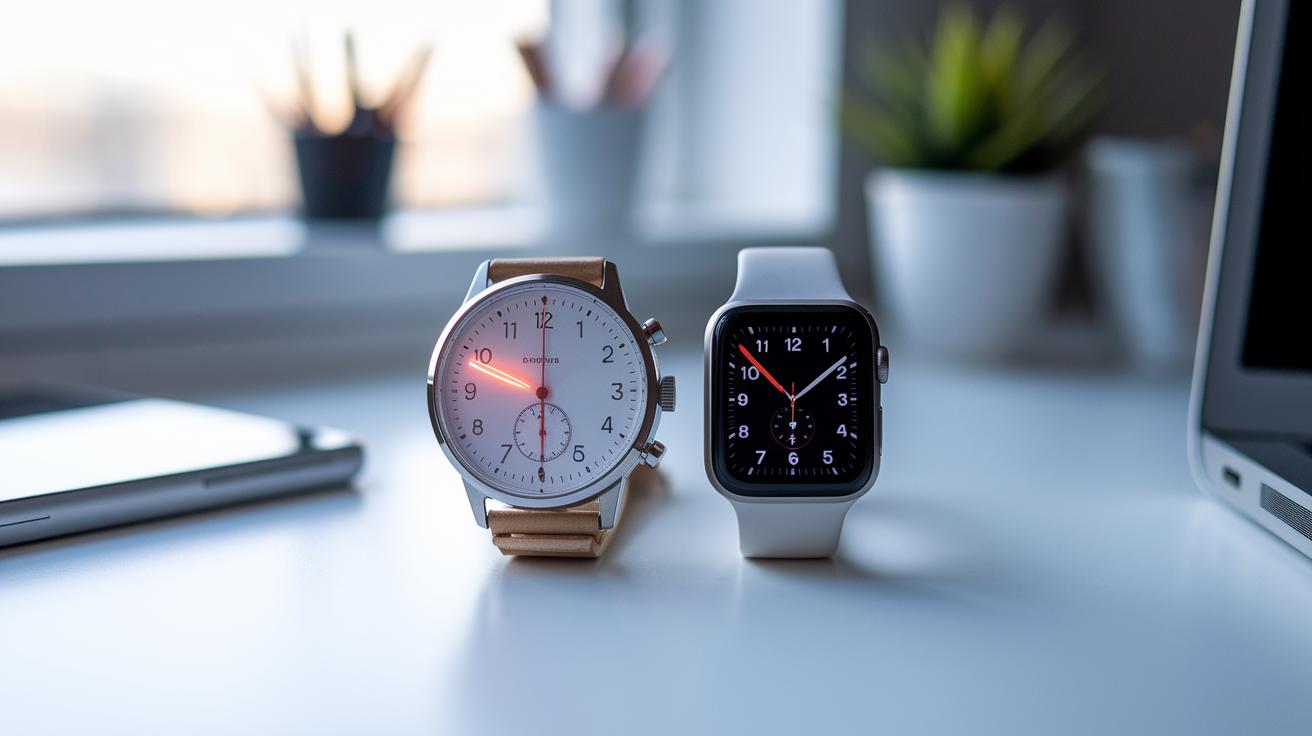
Hybrid watches shine when long battery life is a must. They run on coin-cell batteries that can keep them going for 2 to 24 months. With simple displays and basic microcontrollers, they use very little power. They handle everyday tasks like counting steps and tracking sleep without the need for daily charging. This design is perfect for those who appreciate traditional style and reliable, long-term performance.
Smartwatches, on the other hand, pack a lot more under the hood. They feature multi-core ARM CPUs running at speeds between 1 and 1.5 GHz and have around 512 MB to 1 GB of RAM. This extra muscle allows for quick app interactions, smooth user interface responses, and detailed sensor readings. However, all that capability uses more energy. As a result, smartwatches usually need to be charged every day or every other day, often with magnetic or wireless chargers. In short, if you want a watch that lasts for months while covering basic needs, a hybrid is the way to go. But if you crave a feature-rich experience, a smartwatch will deliver, just be ready for more frequent charging.
Health and Fitness Tracking: Hybrid vs Smartwatch
Hybrid watches keep things simple. They use a basic accelerometer (a sensor that tracks movement) to count your steps and roughly measure how long you sleep. This gives you a clear, no-fuss look at your daily activity. Smartwatches, however, pack extra sensors for a deeper dive into your health. Many come with PPG heart-rate sensors for more accurate pulse readings and even offer ECG features (a test that checks your heart's rhythm) on certain models. Plus, with built-in GPS, they map out your workout routes, which is a big plus for runners and cyclists looking to track every mile.
When it comes to sleep tracking, smartwatches go further than simply counting hours. They break down your sleep into stages like REM cycles and even monitor your breathing, offering a clearer picture of your sleep quality. This extra detail can help you tweak your habits to get better rest. If you value long battery life and simplicity, a hybrid might be your best bet. But if you want a more in-depth look at your activity and wellness, a smartwatch is the way to go.
- Step counting
- Heart-rate monitoring (basic vs PPG/ECG)
- Sleep tracking (duration vs stages)
- GPS workout mapping
- Advanced health metrics (SpO₂, VO₂max)
Cost Comparison: Finding the Best Value between Hybrid and Smartwatches
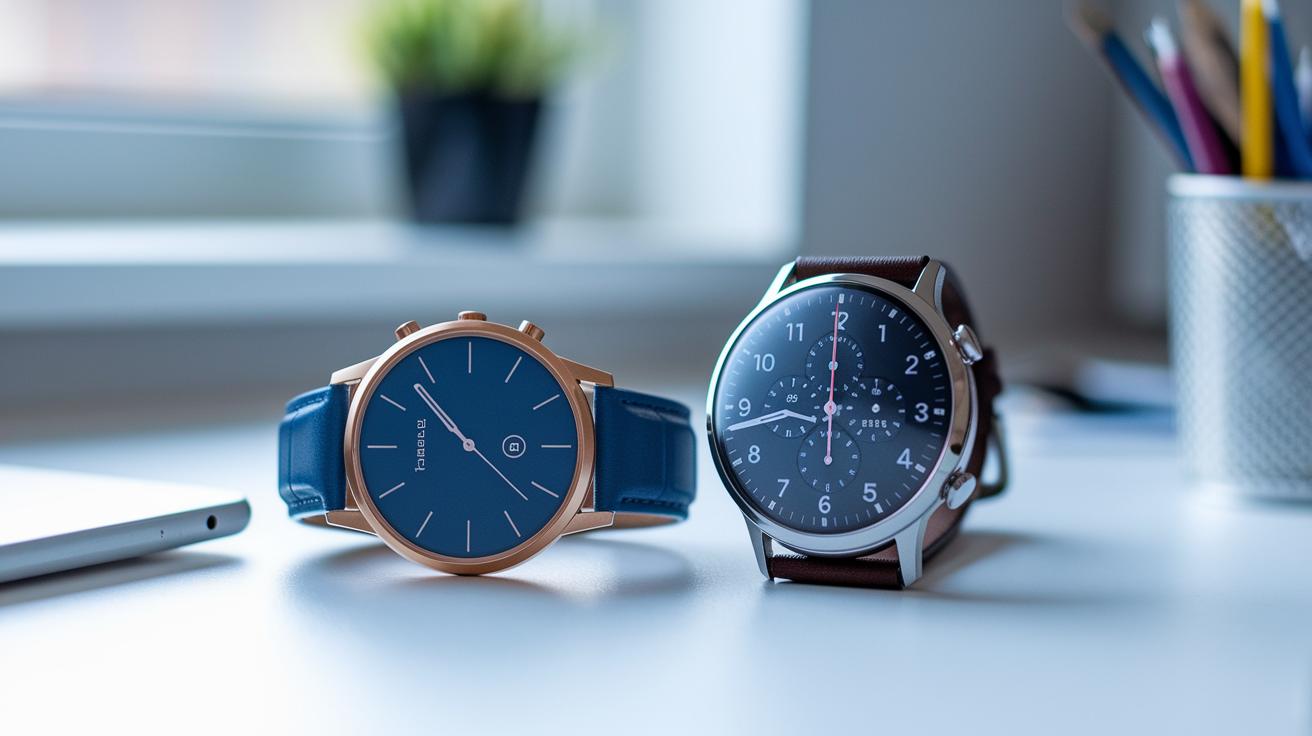
Basic hybrids cost between $100 and $300. They offer a classic look with essential notifications, long-lasting battery life, and simpler technology that usually means fewer repair needs.
Smartwatches, however, start at around $200 and can go over $500. They come loaded with touchscreen controls, advanced sensors, and a richer app ecosystem. This extra functionality often means they need more frequent updates and may drain their batteries quicker.
In simple terms, hybrids exchange smart features for durability and longer battery life. They’re a great pick if you love a timeless design and low-maintenance operation. On the other hand, if you want a lot of interactive features and customization, a smartwatch could be worth the extra cost even if it requires more upkeep.
- For those who prefer a traditional look with easy upkeep, a mid-priced hybrid offers solid value.
- For users who want a feature-packed, interactive experience, spending more on a smartwatch might be the way to go.
Choosing Between a Hybrid Watch and a Smartwatch: Use Cases and Recommendations
If you love a classic look paired with simple notifications and long battery life, a hybrid watch might be just what you need. It’s perfect for folks who care about style and want a watch that can go days without needing a charge. Think of a busy commuter who enjoys a timeless design but still gets a gentle buzz for important alerts. It’s a clean, elegant solution that sticks to the essentials.
For those who need more than just a pretty face, smartwatches pack a punch with a full range of apps and detailed health tracking. They come with features like heart-rate monitoring, quick sleep analysis, and built-in GPS to track your workout routes. This makes them a great pick for runners and athletes who need to keep an eye on their pace, maps, and even handle calls or mobile payments on the move. Imagine a runner getting live updates on their performance right from their wrist – that’s the kind of support a smartwatch is built for.
Some people really enjoy a mix of both worlds. If you’re someone who doesn’t want the hassle of frequent charging but still likes modern alerts, a hybrid watch fits the bill. On the other hand, if you crave detailed health insights and immediate connectivity, a smartwatch will serve you better.
- Best for casual users: A minimalist hybrid that gives you long battery life with subtle notifications.
- Best for fitness enthusiasts: A fully connected smartwatch loaded with in-depth health tracking tools and interactive apps.
Final Words
In the action, we compared analog charm with digital efficiency by weighing styling, features, battery life, and price. We saw how basic tracking meets advanced metrics, and why long-lasting battery life or dynamic apps may matter in your daily routine.
This article gives a quick, clear look at the hybrid watch vs smartwatch debate. Enjoy finding the timepiece that best fits your lifestyle and budget. Keep testing, keep exploring, and take charge of your tech choices.
FAQ
What are the main differences between a hybrid watch and a smartwatch?
The main differences between a hybrid watch and a smartwatch lie in design and functionality. Hybrid watches combine analog hands with basic digital tracking, while smartwatches use full-color touchscreens for apps and detailed notifications.
How do battery life and performance compare between hybrid watches and smartwatches?
The battery life and performance vary significantly: hybrids run on coin-cell batteries lasting 2–24 months, while smartwatches typically need daily or every-other-day charging. Smartwatches also use faster, multi-core processors for smoother performance.
How do design and display options differ in hybrid watches versus smartwatches?
Design and display on hybrids favor traditional analog styles with subtle digital cues, while smartwatches feature LCD or OLED touchscreens with customizable interfaces and modern, versatile strap options.
What types of notifications and features do these watches support?
Hybrid watches provide vibration alerts, step counts, and basic sleep estimates, whereas smartwatches offer two-way calls, text replies, GPS, music control, and a broader range of third-party apps.
Which watch type is better for fitness tracking and health monitoring?
Hybrid watches offer basic step count and sleep duration tracking, while smartwatches include advanced health metrics like heart rate, blood oxygen levels, and detailed activity mapping with built-in GPS.
How do the price points of hybrid watches and smartwatches usually compare?
Pricing differences are clear: hybrid watches generally range from $100 to $300, offering essential smart features with classic style, while smartwatches start around $200 and can exceed $500 for models with premium features.