
Have you ever wondered if your laptop can be eco-friendly while still handling everyday tasks? We compared two ultrabooks that mix green design with solid performance. One model has a body made from recycled plastic that feels as tough as granite, while the other uses a sturdy aluminum frame that makes upgrades simple to cut down on waste. Our review shows you can enjoy both high performance and efficiency while choosing a device that helps the environment.
Eco-Friendly Ultrabook Review: Summary of Top Sustainable Models
The Acer Aspire Vero 15 (2022) and the Framework 13" Laptop prove that eco-friendly ultrabooks can handle everyday tasks while keeping an eye on the planet. The Aspire Vero uses a chassis made of 30% recycled plastic that has a granite-like finish to fight off smudges and scratches. It packs a 52 Wh battery, an Intel i5-1195G7 processor, 16 GB DDR4 memory, and a 512 GB PCIe SSD. This blend of features makes it a great choice for users who want a laptop that’s both responsibly made and reliable day in and day out.
The Framework 13" Laptop takes a different approach with a tough aluminum modular design. It has two expansion slots on each side that support USB-A, USB-C, HDMI, DisplayPort, MicroSD, or even an extra SSD if you need it. This design means you can swap out parts easily, which helps cut down on e-waste and keeps the laptop working well for longer. Both models show a strong commitment to reducing waste while still delivering the performance you need for everyday work.
Eco-Friendly Ultrabook Review: Sustainable Design & Materials
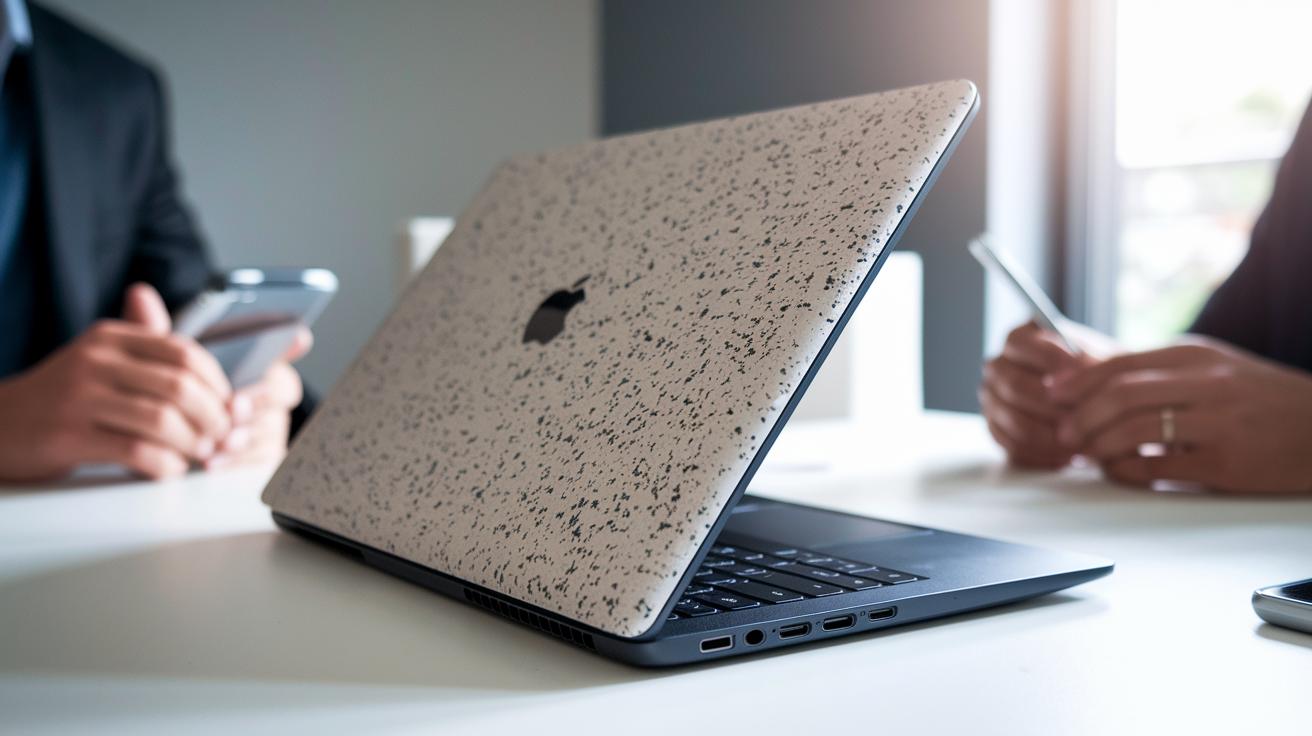
The Aspire Vero stands out by using 30% recycled plastic from post-consumer sources. Its unique finish looks much like granite, which helps it resist smudges and minor scratches even after months of everyday use. Many users say the unpainted surface feels robust, much like a countertop that holds up well day in, day out.
The Framework ultrabook, on the other hand, features a chassis made of precision-milled aluminum. This process not only builds a lightweight yet durable structure but also reuses aluminum scrap to help cut down on waste. One tester mentioned that swapping out the battery was as simple as replacing any other component, keeping the device running without any major downtime.
Both of these devices embrace a modular design that extends their lifespan. By combining eco-friendly materials with repair-friendly construction, they do more than just support sustainable manufacturing, they offer practical, everyday reliability.
Eco-Friendly Ultrabook Review: Battery Performance & Energy Efficiency
We checked out the battery performance of these eco-friendly ultrabooks and found that they really stand apart from traditional models. The Aspire Vero uses a 52 Wh battery that reliably handles daily tasks like document editing and web browsing. Meanwhile, the Framework model delivers up to 10 hours on its high-efficiency power mode, thanks to smart voltage optimization. Both laptops are built to balance power use and performance, making them a great choice if you want a sustainable device without sacrificing everyday functionality.
Features at a glance:
| Feature | Description |
|---|---|
| High-efficiency power modes | Reduces power consumption in low-demand situations |
| Hardware kill switches | Allow you to easily disconnect certain components |
| Voltage optimization | Enhances battery performance and efficiency |
| Adaptive refresh | Adjusts screen refresh rate based on activity |
| LED backlight control | Helps manage energy use by controlling the backlight |
In real-world use, the Aspire Vero proved steady during a full workday filled with school projects or office tasks, even when the screen brightness was cranked up for outdoor use. On the other hand, the Framework model really shines when it comes to energy saving. Its smart features let it go much longer during light activities like web browsing and checking emails in power-saving mode. This means you can go longer between charges, reducing your environmental footprint while still enjoying solid everyday performance.
Eco-Friendly Ultrabook Review: Performance & Modular Upgrades
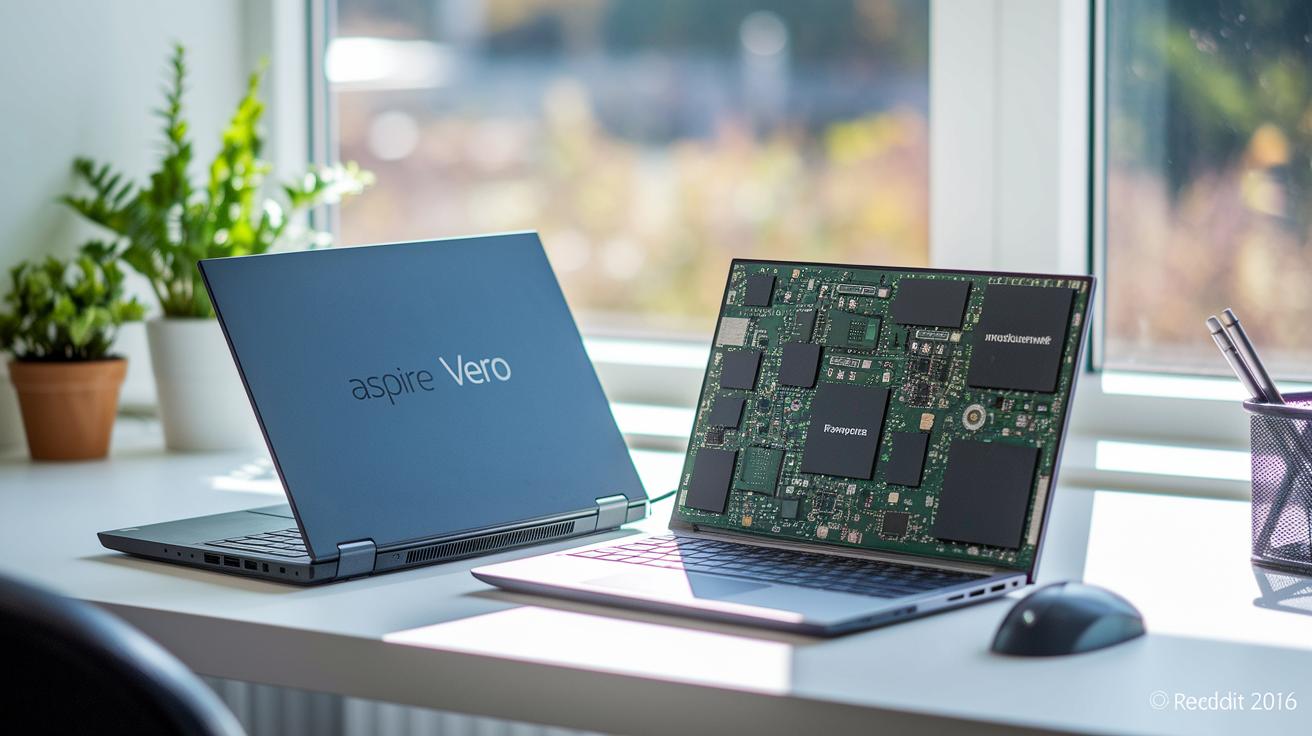
Let's take a quick look at the performance and modular design features of these eco-friendly laptops without rehashing everything from before.
Performance Benchmarks
Both the Aspire Vero and the Framework handle everyday tasks smoothly. The Aspire Vero comes with an Intel Tiger Lake Core i5-1195G7, 16 GB of DDR4, and a speedy 512 GB PCIe x4 SSD. Meanwhile, the Framework offers customizable CPU settings, allowing you to mix steady performance with the flexibility to upgrade. For all the detailed numbers and specs, check out our summary of the top sustainable models.
Modular Upgrade Options
The Framework really stands out when it comes to upgrades. It features two expansion slots on each side, so you can swap ports like USB-A, USB-C, HDMI, or add extra storage. This DIY-friendly design makes it easy to extend your device's lifespan while keeping it eco-friendly.
| Model | Processor | RAM | Storage | Expansion Options |
|---|---|---|---|---|
| Acer Aspire Vero | Intel Tiger Lake i5-1195G7 | 16 GB DDR4 | 512 GB PCIe x4 SSD | Limited modularity |
| Framework 13″ | Customizable CPU options | Varies by configuration | Upgradable storage options | Two expansion slots per side |
Eco-Friendly Ultrabook Review: Environmental Certifications & Manufacturing Practices
Both the Aspire Vero and Framework models proudly display eco-friendly credentials, backed by trusted certifications like Energy Star and EPEAT. They run their own recycling programs and use efficient manufacturing techniques with standardized parts to reduce waste. For instance, the Framework includes common NGFF Wi-Fi/BT and NVMe 2280 SSD sockets, making repairs easier and extending the device’s lifespan. This method meets strict environmental standards while lowering each unit’s carbon footprint, proving that green practices and solid performance can go hand in hand.
These laptops are designed to cut down on e-waste by emphasizing replaceable components and repairability. Standard parts make it simple for users to upgrade or replace key components without tossing out the whole device. This design approach not only extends the hardware's sustainable lifecycle but also backs up their green claims in a world full of throwaway gadgets. For eco-conscious buyers, it's a strong choice that shows real commitment to renewable manufacturing improvements.
Eco-Friendly Ultrabook Review: Comparative Analysis with Conventional Ultrabooks
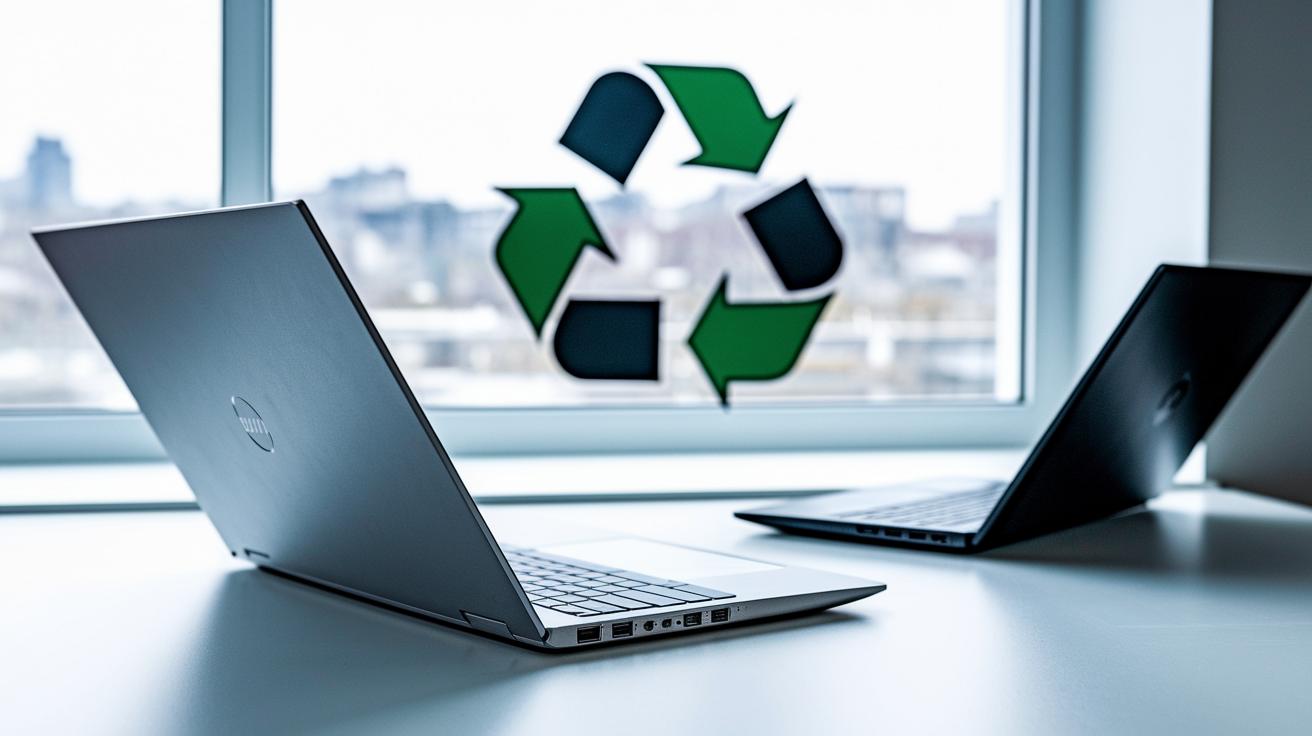
Eco-friendly ultrabooks like the Aspire Vero and Framework change the game by using about 30% post-consumer recycled plastics and incorporating modular bays. This approach differs from models like the Acer Aspire 5 or Dell Inspiron 15, which depend mostly on new materials. Their open design and repair-friendly build not only lower their environmental impact but also help keep the device running longer. In contrast, standard ultrabooks often feature parts that are hard to fix and non-recyclable, which leads to more waste. This is a clear step up from traditional ultrabook construction.
When it comes to everyday performance, these green laptops keep up well while using eco-friendly manufacturing practices. They offer fast processing speeds and good energy efficiency, and they don’t lock you into complex, proprietary parts. Compared to models like the Asus VivoBook 15 or Lenovo IdeaPad 5, these sustainable laptops strike a solid balance between performance and a lower carbon footprint. In short, you get the same reliable speed and portability along with extra benefits like energy-saving features and easier upgrades.
Looking at long-term value, eco-friendly ultrabooks provide benefits that go well beyond initial performance. Their easy repair, modular upgrade options, and adherence to environmental standards help cut down on long-term costs and reduce waste. This smart design makes them a great choice for anyone who values competitive pricing and responsible gadget choices. You end up with a laptop that meets everyday needs while also offering significant sustainability benefits.
Final Words
In the action, we covered sustainable designs, robust battery life, and real-world performance that prove eco-friendly ultrabook review models like the Acer Aspire Vero and Framework offer genuine value. We walked through details on recycled materials, energy efficiency, modular upgrades, and reputable eco-certifications.
This review shows that smart design can lead to both practical performance and a lower environmental impact. It all comes down to getting solid tech performance while supporting greener choices for the future. Enjoy making a planet-positive choice with your next ultrabook.
FAQ
Frequently Asked Questions
What is the best eco friendly ultrabook review?
The best eco friendly ultrabook review highlights models like the Acer Aspire Vero and Framework, which combine sustainable materials with solid performance for everyday computing.
Which brand makes the best eco friendly ultrabooks?
The best eco friendly ultrabooks come from brands such as Acer and Framework, known for using recycled plastics and modular designs that help reduce electronic waste.
What is the difference between an ultrabook and a laptop?
An ultrabook features a thinner, lighter build with premium components, while standard laptops can be bulkier and may not prioritize eco friendly materials or advanced portability.
Are there slim and lightweight eco friendly laptops available?
Slim and lightweight eco friendly laptops like the Acer Aspire Vero and Framework Computer offer sustainable designs combined with a portable form factor, ensuring performance without sacrificing environmental considerations.
How do eco friendly ultrabooks from 2022 compare with predictions for 2026?
Reviews from 2022 showcase current eco friendly options like the Aspire Vero setting high standards, while expectations for 2026 point toward further innovations in sustainable design and energy efficiency.
How do sustainable laptop brands compare to conventional models?
Sustainable laptop brands use recycled and modular materials to reduce waste, offering an eco-conscious alternative that contrasts with conventional models built primarily with virgin components.