
Ever thought your glasses might actually keep pace with your busy day? Today’s smart glasses show digital alerts, live captions, and reminders right in front of you. They let you skim texts while on a jog or ask for directions when you're cooking. With voice control from trusted assistants and smart sensors, these glasses slip easily into your daily routine. They mix style with function, acting like a handy sidekick that keeps you updated and connected wherever you go.
Everyday Usability of Smart Glasses
Smart glasses blend augmented reality (AR) and artificial intelligence (AI) to simplify your day. They overlay useful digital details like messages, call alerts, and appointment reminders right in front of you. That means you can check your schedule or notifications without ever reaching for your phone.
These glasses are designed with ease of use in mind. You can control them with your voice through Siri, Google Assistant, or Alexa, making them perfect for when your hands are busy, whether you're driving, exercising, or whipping up dinner. Imagine going for a jog while getting a quick text or a weather update; it's tech made practical for everyday life.
Accessibility is a key feature. With smart sensors and a simple interface, these glasses are great for everyone, including those with disabilities. Built-in features like text-to-speech, live captioning, GPS tracking, emergency alerts, and fall detection add extra layers of help and safety.
Communication gets a boost, too. With live translation and hands-free photo and video capture, you can quickly document moments or break down language barriers on the go. From viewing maps and tracking workouts to receiving real-time notifications, smart glasses are more than an accessory, they're a reliable partner built to keep you connected and aware throughout the day.
Key Features of Smart Glasses for Daily Wear
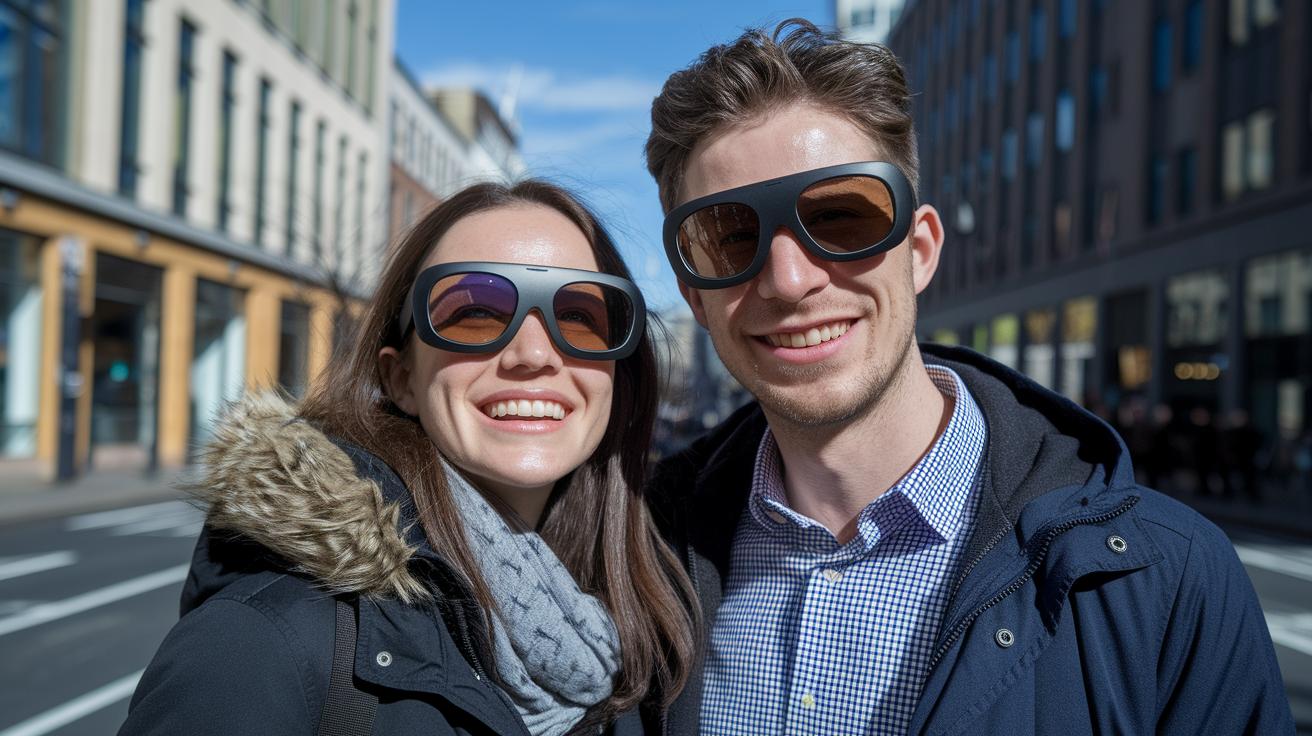
Ray-Ban Meta smart glasses pack a 12 MP camera that captures clear, detailed photos and videos, so you never miss a moment. The open-ear speakers deliver crisp sound and let you give voice commands while staying aware of what’s happening around you.
They also come with handy sensors like GPS tracking, fall detection, text-to-speech, and live captions. These features help keep you safe and on track whether you’re navigating busy streets or managing your day. If you prefer easy controls, the XREAL Air 2 Ultra offers both physical buttons and gesture tracking, so you can move through menus quickly even when you’re on the go.
Virtual assistant integration takes these smart glasses a step further. The Solos AirGo 3 uses ChatGPT to offer helpful responses and manage tasks, while Rokid Glasses include live translation to break down language barriers during travel.
Designed for everyday wear, these glasses blend modern style with practical technology. Every component, from the hardware to the software, is built to support your daily routine and keep up with your busy life.
Comparing Top Smart Glasses Models for Everyday Use
Below is a direct comparison of today’s standout smart glasses. We looked at each model’s main features, battery duration, cost, and unique benefits, so you can quickly see which pair might fit your daily needs.
| Model | Key Features | Battery Life | Price Range |
|---|---|---|---|
| Ray-Ban Meta | 12 MP camera, AI assistant for translation and captioning | ~6 hrs | Premium |
| XREAL Air 2 Ultra | Snapdragon-powered hand tracking, HD visuals | ~4 hrs | $300–$400 |
| Solos AirGo 3 | Integrated ChatGPT, fitness tracking | 10 hrs | Mid-range |
| Rokid Glasses | Live multi-language translation, travel-friendly functions | Data not specified | Mid-tier |
| Vuzix Z100/Ultralite Pro | Turn-by-turn navigation, AI interaction, lightweight design | ~5 hrs | Premium |
Ray-Ban Meta impresses with its clear 12 MP camera and helpful AI assistant for translation, making it great if you need quick language help on the go. On the other hand, XREAL Air 2 Ultra is all about gesture control and vivid HD visuals, making it a smart choice if you rely on smooth digital overlays during busy days.
Then there’s Solos AirGo 3. It comes with handy ChatGPT integration and tracks your fitness, which means it not only boosts productivity but also keeps you motivated for your workouts. Meanwhile, Rokid Glasses are ideal for those frequently on the move in diverse, international settings thanks to their live translation feature.
Lastly, Vuzix Z100 and Ultralite Pro blend smart navigation with a lightweight design. Their comfort makes them a strong pick for long days at the office or on the go outdoors. This detailed look should help you decide which smart eyewear best fits your everyday lifestyle.
Design and Comfort Factors in Smart Glasses for Daily Wear
Frame Materials
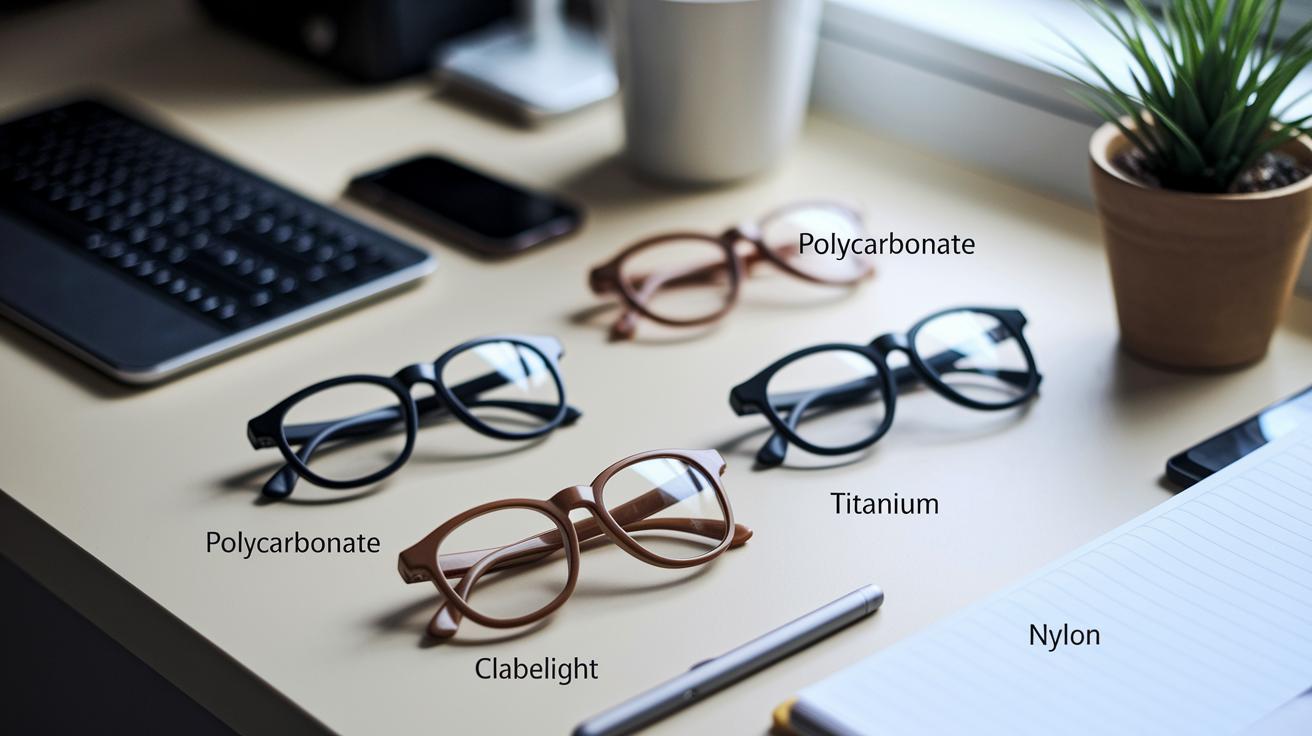
Smart glasses need to use materials that strike a balance between toughness and lightness. Many models have a base of polycarbonate, which is both durable and affordable. Titanium is another favorite because it provides strength while keeping the frame light. Nylon is often added to offer extra flexibility and a soft feel, so you can wear your glasses comfortably all day.
Fit and Adjustability
A great pair of smart glasses should fit your face perfectly. That’s why common features include adjustable nose pads and flexible temple tips that adapt to different face shapes. Some models even come with custom inserts to boost comfort during long wears. For example, the Vuzix Ultralite weighs under 75 g, meaning you hardly notice them even after hours of use.
Style and Customization
When it comes to urban tech eyewear, style is just as important as function. Brands like Ray-Ban Meta mix classic designs with modern tech to create looks that work both in the boardroom and on the street. Many smart glasses now offer options like prescription-ready lenses or transition lenses (which darken under bright light). With built-in PD-measuring apps and a variety of colors and shapes, there’s plenty of room to match your glasses to your personal style while enjoying top-notch optical performance.
Everyday Tasks and Applications with Smart Glasses
One user shared that during a brisk morning walk in a bustling downtown, their smart glasses quietly flagged a hidden café and notified them about nearby events. This real-life experience shows that smart glasses can go beyond simple tasks by offering timely, location-based tips that make urban adventures even more interesting.
Another professional recalled an overseas business meeting where their smart glasses did far more than just translate dialogue. The device provided subtle cultural insights and local etiquette tips that filled conversation gaps in ways text alone never could. As they remarked, "It wasn’t just about words, it was about feeling the pulse of the city," hinting at exciting new uses for these devices in global settings.
A fitness enthusiast described early morning bike rides where real-time heart rate and pace data was seamlessly displayed. This live feedback allowed them to adjust their effort on the fly without missing a beat, making their workout both smooth and effective.
Battery Life and Performance in Everyday Smart Glasses
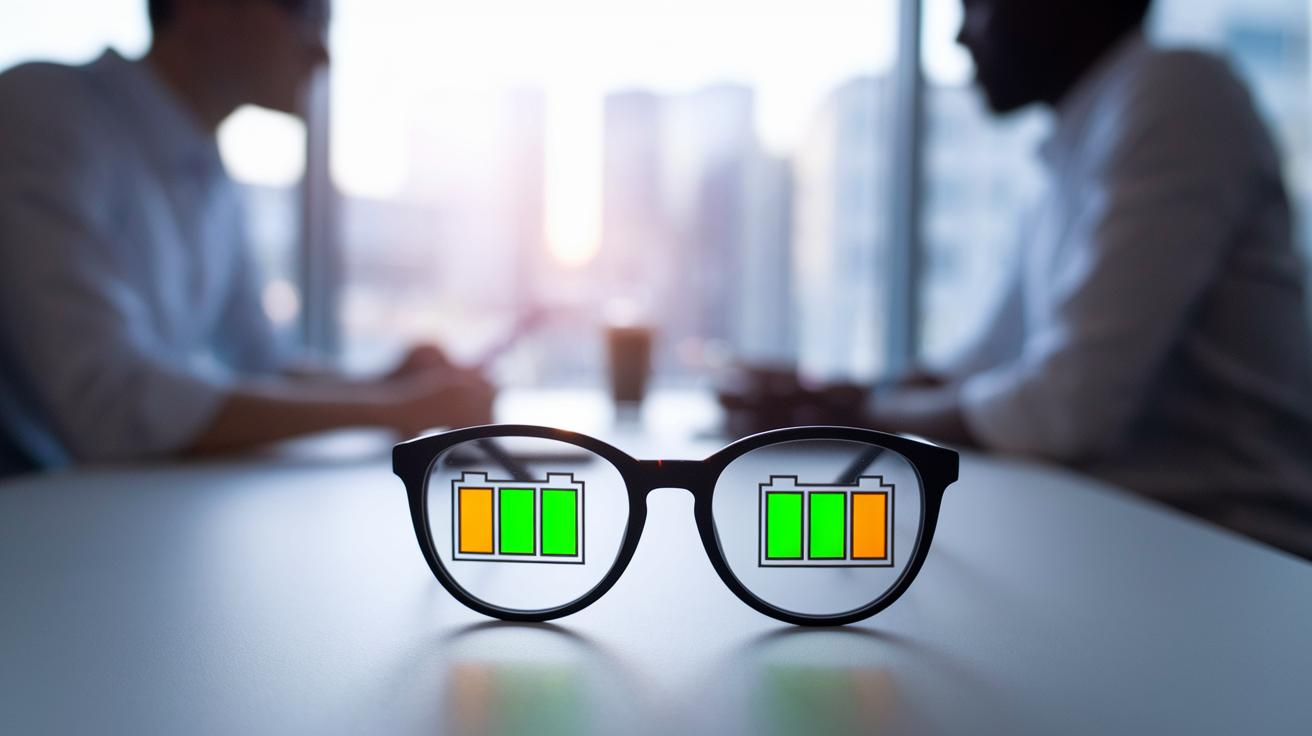
Battery performance plays a big role in how well smart eyewear fits into your day. For example, the Solos AirGo 3 can run up to 10 hours on one charge, making it a solid pick if you want to avoid frequent recharges. Ray-Ban Meta glasses, by comparison, offer around 6 hours when you're using features like AR (augmented reality) and AI. This works fine if you rely on digital overlays but means a shorter battery life overall.
The XREAL Air 2 Ultra is designed more for short, immersive sessions and generally gives about 4 hours of active display time. Then there's the Vuzix Ultralite Pro, which can reach nearly 5 hours in performance mode. It strikes a balance between energy conservation and a strong display.
Manufacturers have also built in smart energy-saving features to help extend battery life during everyday tasks like navigation, receiving notifications, or watching media. In tests that mix real-world activities, these devices offer a blend of endurance and reliable performance that meets everyday needs.
Budget-Friendly Smart Glasses for Everyday Wear
Budget smart glasses offer the basics you need every day while manufacturers make trade-offs to keep costs low. These models often use lighter materials and simpler processors, which might impact how rugged they feel and their peak performance. Interestingly, while many budget devices hold up well in day-to-day tasks, the clever use of cost-effective materials can mean they aren’t as tough as their high-end counterparts.
You should know that these glasses cover essential AR features, give you extended battery life, and run on streamlined software. However, they might not be the best pick if you need something for heavy-duty or outdoor scenarios. It’s like choosing a reliable diner meal over a gourmet dish , you get all the basics without any fancy extras.
Take, for example, models like the XREAL Air 2 Ultra, Solos AirGo 3, Rokid Glasses, and entry-level Vuzix options. They focus on key functions such as hand tracking, fitness monitoring, or live translation, striking a balance between cost and core performance.
- Display: Built for everyday clarity, though not ideal for bright outdoor settings.
- Battery Life: Power-saving features extend battery life but may limit heavy use.
- Build Materials: Cost-effective materials mean they might not handle rough treatment well.
- Software: A simple interface offers the essentials without extra bells and whistles.
| Aspect | Trade-Off |
|---|---|
| Performance | Focus on essential functions over premium processing |
| Build Quality | Light materials that may reduce durability |
| Feature Set | Key features prioritized; extras are scaled back |
| Software Experience | Simpler interface with fewer advanced options |
Smart glasses for everyday use: Radiate Daily Style

Everyday adjustments can help your smart glasses run longer and smoother. Try dimming the display when you don’t need full brightness and closing apps running in the background to save power. Routine firmware updates add cool new features and boost security, so your glasses stay on point all day.
Getting the right fit makes a big difference. Use the adjustable nose pads and temple tips to secure your glasses for better sensor accuracy and sharper AR overlays. Calibrating the sensors ensures you get clear turn-by-turn navigation and reliable fitness data. One user noted that after a quick adjustment, the AR displays were much steadier during his morning walk.
The companion smartphone app lets you fine-tune notifications and voice commands so your glasses truly work with your lifestyle, whether you're out and about, at work, or just relaxing.
Also, keep privacy in mind by regularly checking camera permissions and letting others know when you’re recording. These simple tips, from lowering brightness and closing extra apps to updating firmware and fine-tuning your fit, help keep your smart glasses both efficient and responsive all day long.
Final Words
In the action, we covered how smart glasses upgrade daily tasks. We compared models across design, performance, battery life, and pricing, all while highlighting everyday tasks like navigation, communication, and hands-free capture.
We offered tips to boost usage, from adjusting settings to regular updates. Focusing on smart glasses for everyday use, our guide shows how these devices bring practical benefits to your routine. Positive performance and clear value make them a solid choice for daily tech needs.
FAQ
What do discussions on Reddit say about smart glasses for everyday use?
Discussions on Reddit mention how smart glasses can enhance daily activities by offering AR overlays, voice commands, and hands‑free notifications for navigation, fitness tracking, and communication.
What do smart glasses actually do?
Smart glasses overlay digital data onto your real‑world view, helping you with navigation, messages, fitness tracking, and more through built‑in displays, sensors, and voice assistants.
What glasses do I need for everyday use?
Everyday‑use smart glasses should provide clear AR overlays, secure adjustments, voice command support, and a battery that lasts long enough to cover typical daily tasks like mapping, notifications, and fitness tracking.
Are there any downsides to smart glasses?
Downsides of smart glasses include shorter battery life under heavy use, potential privacy concerns during capture, and occasional issues with display clarity and sensor calibration in varying conditions.
What are the best smart glasses right now?
The best smart glasses currently include models like Ray‑Ban Meta, XREAL Air, and Solos AirGo 3, which offer a strong mix of AR functionality, comfortable design, user‑friendly features, and practical battery life.
How does smart glasses technology integrate AR and AI features?
Smart glasses integrate AR and AI by overlaying real‑time digital information onto your view and using built‑in sensors and assistants to deliver navigation, live translation, notifications, and fitness data seamlessly.