
Ever wonder if your glasses could do more than just help you see? Smart glasses pack a tiny processor, sensors, a small display, and wireless tools into one light frame. They gather information from your surroundings and then show digital images right in your line of sight. This mix of technology means you can control apps with simple hand motions and enjoy true hands-free access. In this post, we’ll walk through each important part to show you how everyday eyewear meets cutting‑edge tech.
Understanding Core Components: How Smart Glasses Work
Smart glasses bring smartphone features to a compact, wearable design. They rely on a miniaturized chip (the System-on-Chip) that delivers solid processing power while keeping heat low. This little chip lets the glasses run apps and process information in real time. Plus, they pack a range of sensors that detect motion, light, and even eye movements. Together, these sensors help the glasses understand your surroundings, enabling features like gesture control and hands-free operation.
Every component in smart eyewear plays a vital role in the overall performance. The optical module displays digital images right in your field of view, while a small battery tucked into the temple arms ensures a steady power supply. With built-in Bluetooth and Wi-Fi, the glasses easily sync with your smartphone and other devices. Here are the six main parts that form the backbone of smart glasses:
- SoC: A small processor that manages computing tasks without heating up.
- Sensor array: A collection of sensors, including motion detectors (IMUs), cameras, microphones, and eye trackers, that gathers data.
- Optical display engine: The component that projects digital images and information directly into your view.
- Power supply: A battery integrated into the temple arms that provides consistent power.
- Wireless modules: Parts that enable seamless Bluetooth and Wi-Fi connections.
- User interface controls: Features like touchpads and voice commands that make interacting with the glasses intuitive.
By combining these parts into one efficient system, smart glasses prove to be an innovative piece of technology. The blend of a low-power processor, precise sensors, advanced optical displays, and strong wireless communication creates a smooth, real-time experience. Each element is designed to work together, delivering an interface that's as intuitive as it is powerful for today’s on-the-go users.
Advanced Display Technologies in Smart Glasses

Smart glasses use advanced display techniques to overlay digital images on the real world. These systems create images that look like they belong with what you see around you. Engineers try different methods to make sure the images are clear, use power wisely, and feel comfortable to wear.
| Display Type | Mechanism | Pros | Cons |
|---|---|---|---|
| Waveguides | Micro-display projector with microscopic gratings | Easy-to-see digital overlay, keeps natural light | Can get dim in very bright settings |
| Curved Mirror Optics | Semi-transparent mirror that redirects image from a tiny display | Bright colors and sturdy design | Might sometimes cause image blur or misalignment |
| Retinal Projection | Low-power lasers that shine images directly on the eye | Sharp images and an engaging view | Still experimental, with safety and consistency issues |
Each method comes with its own strengths and challenges. Waveguides let digital ads or info blend naturally into your view but can seem too dim in strong sunlight. Curved mirror optics deliver vivid imagery but may occasionally distort what you see. Retinal projection gives you an immersive display by projecting directly onto your eye, yet it's still in the testing phase. Finding the right mix of clarity, brightness, and energy use is key when choosing the best display for smart glasses.
Sensor Fusion and Data Capture in Smart Glasses
Smart glasses come packed with a range of sensors that pick up details about both your surroundings and your movements. They use accelerometers and gyroscopes to keep track of your head motions, while magnetometers help figure out which way you're facing. Cameras record what you see, microphones capture ambient sounds, and sensors for ambient light and eye tracking adjust to changes in brightness and focus. All these pieces work together to create a real-time picture of your environment.
Sensor fusion algorithms take all that varied data and blend it into one smooth stream. By merging information on movement, visuals, audio, and the surrounding environment, these algorithms build a clear picture of your current context. This means your head movements and gestures are tracked quickly and accurately, with even subtle signals matching up with what's happening around you.
The result is a system that can easily recognize simple hand signals or a slight head tilt as a command. In busy, changing settings, this integrated data lets the glasses adjust digital overlays to give you the right context and help with navigation. In short, smart glasses use this smart mix of sensors to offer an intuitive and responsive experience you can rely on.
Wireless Connectivity and Power Management in Smart Glasses
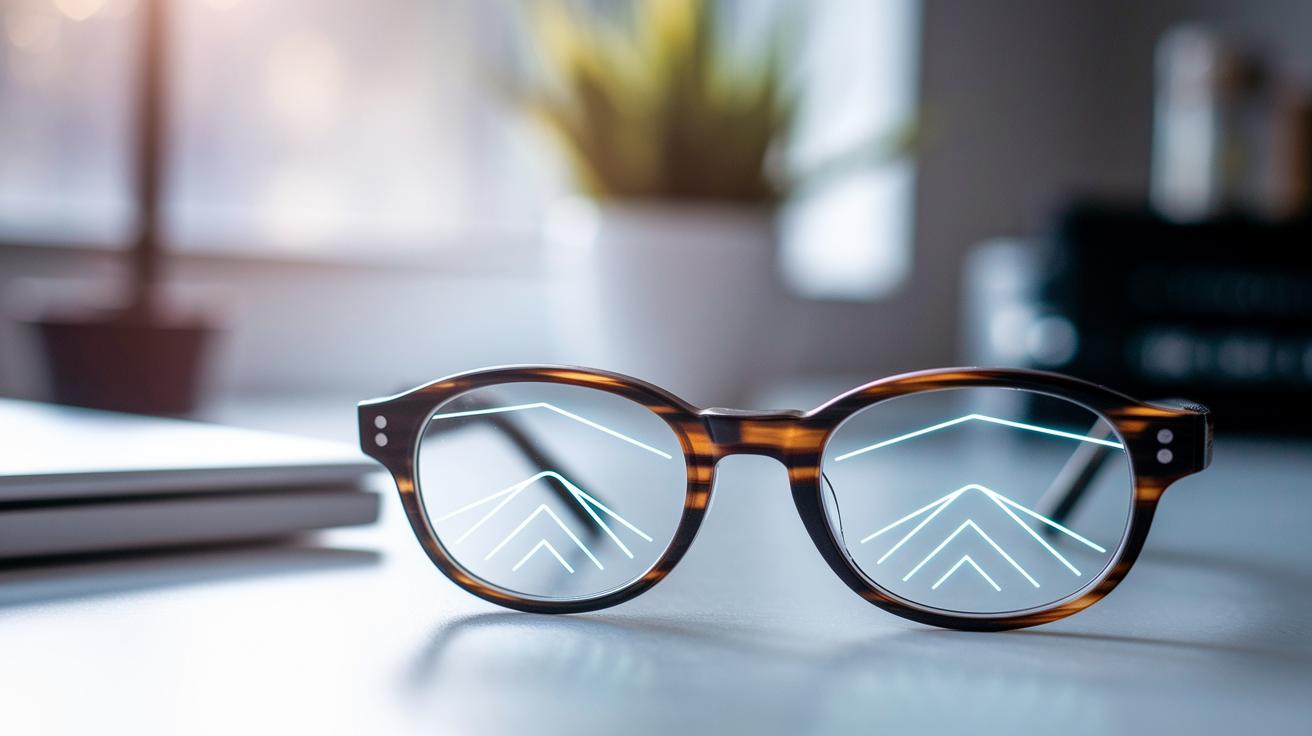
Smart glasses connect to your smartphone using Bluetooth Low Energy (BLE), which sends alerts and commands while using very little power. This connection handles simple tasks without draining the battery. When it comes to heavier duties like streaming video or downloading files, the glasses switch to built-in Wi-Fi to keep things running smoothly.
Battery placement is a key part of the design. Most smart glasses hide a small but powerful battery in the thicker temple arms. This smart use of space delivers enough power for daily tasks while keeping the glasses light and comfortable. Since space is tight, manufacturers plan the battery size carefully to avoid frequent recharges and maintain good performance.
To boost usage time without needing clunky external battery packs, smart glasses incorporate several power-saving tricks. They use energy-efficient processors and displays that sip power when idle or during everyday use. Some models even offer an optional external battery module for extra endurance during heavy use. Still, the main focus remains on smart internal power management for a long-lasting and easy user experience.
Interaction Interfaces in Smart Glasses: Voice, Touch, and Gestures
Smart glasses come with voice activation for a hands-free experience. They listen for wake words like "Hey Google" or "Alexa" to get started. Once activated, the onboard speech system listens to your commands and carries them out. This setup makes simple tasks like texting, calling, or checking information as easy as speaking while you keep your eyes on the world around you.
A built-in touchpad on the side of the frame offers another easy way to control the glasses. A tap or swipe on the temple lets you browse menus, scroll through notifications, or switch apps quickly. This touch method is designed to be simple and unobtrusive when talking to your glasses is not the best option.
The glasses also use cameras and motion sensors (inertial measurement units) to follow your hand gestures and head movements. This means you can nod to confirm a choice or swipe in the air to switch views. Together, these controls create a smooth experience that makes digital information feel like it is part of your natural movements.
Integrated Software and AI in Smart Glasses Operation
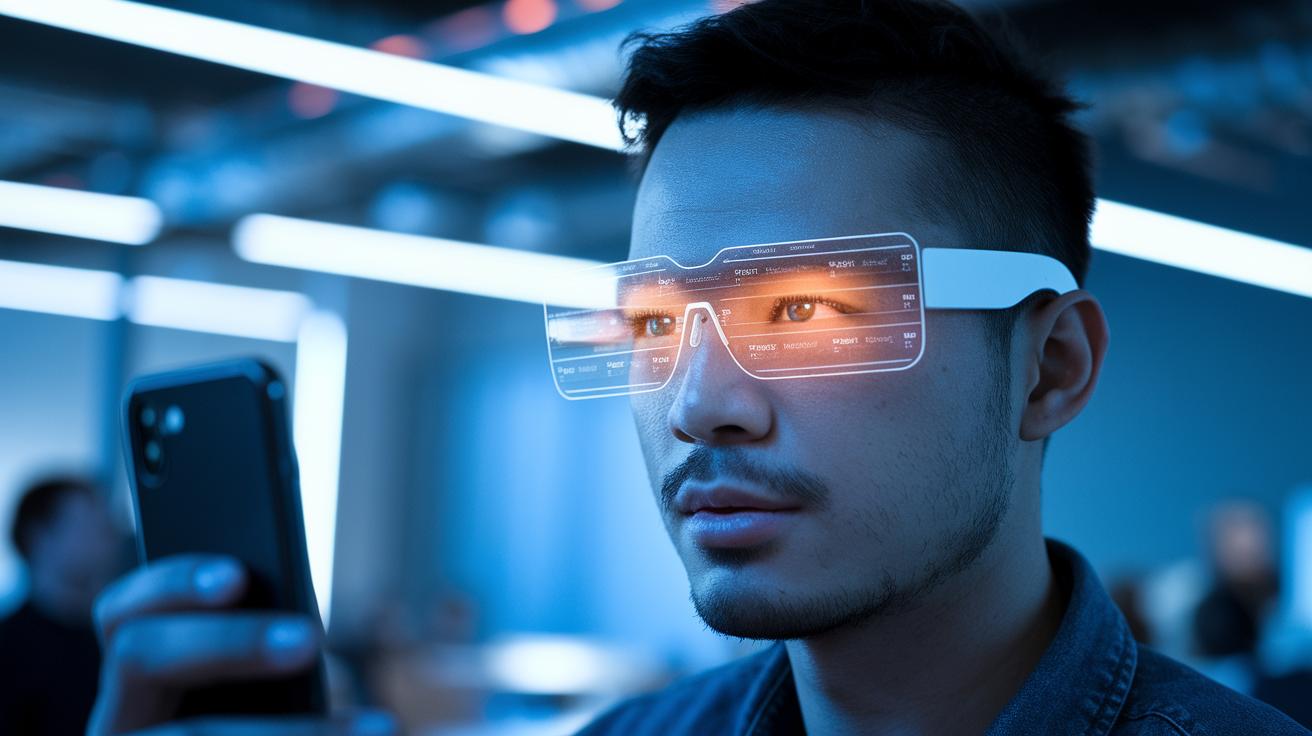
Smart glasses use a custom operating system built just for wearable optics that keeps delays to a minimum. This system is designed to handle real-time tasks smoothly, running sensor data, voice commands, and quick app switches without the lag you’d expect from regular devices.
At the heart of these glasses are machine learning models that boost their vision and context awareness. They work by analyzing what the camera sees to recognize objects, map out the surroundings, and even pick out faces or text on the fly. With data coming in from different sensors, the glasses can adjust settings instantly, making sure digital overlays fit right with what you’re doing.
AI algorithms take it further by fine-tuning both the display and power usage. They automatically adjust brightness and filtering based on the light around you and what you’re working on, ensuring the screen stays clear while conserving energy. This smart blend of software makes the glasses responsive and efficient, ready to adapt to your needs wherever you are.
How Do Smart Glasses Work: Innovative Tech Marvel
Smart glasses are already changing the way work gets done in many industries. In factories and warehouses, they guide workers with step-by-step instructions and live data overlays that make tackling complex tasks easier. Field technicians use them for quick support and troubleshooting while on the job, and in hospitals, real-time augmented reality helps surgeons be more precise and safe. These practical applications show that smart glasses are far from just a futuristic idea.
Everyday users get a boost too. Gamers, for instance, enjoy experiences where digital elements blend with the real world for immersive and interactive play. Meanwhile, features like real-time descriptions and navigational cues help people with visual impairments navigate daily life with greater ease. Rather than being mere extras, these capabilities are central to transforming how we interact with the world.
Looking to the future, smart glasses promise even more breakthroughs. Upcoming models may include brain-computer interfaces, letting you control your device with just your thoughts. With faster 5G connectivity, streaming augmented reality content in real time may soon become a breeze. Experts say these advancements could transform industries by delivering faster, more accurate information during critical tasks.
We’re also set to see smart glasses get better in design and function. Miniaturized high-precision sensors and lighter batteries will boost performance, extend battery life, and improve comfort. Enhanced AI will let the glasses automatically adjust to different environments for the best brightness and clarity. All these improvements are gearing wearable tech up for a future where digital and physical realities merge seamlessly.
Final Words
In the action, we explored smart glasses by breaking down the key hardware components, display methods, sensor fusion, and connectivity specifics. We examined power management techniques and user interfaces that merge technology and real-life convenience.
Our deep dive explains how do smart glasses work by walking you through every aspect, from the SoC and sensor arrays to AI-driven software. The insights shared here point to a future full of practical innovation. Enjoy these takeaways as you consider your next device purchase.
FAQ
Frequently Asked Questions
How do smart glasses work for blind people and in general?
Smart glasses operate by using built-in sensors and processors to capture data and project digital overlays. For blind users, they can provide audio cues and tactile feedback to assist with navigation and information access.
What are the benefits and features of smart glasses, including augmented reality capabilities?
Smart glasses deliver hands-free connectivity, real-time notifications, and augmented reality overlays. They combine compact design with smart sensors and digital displays to support accessibility and enhance everyday experiences.
When were smart glasses invented?
Smart glasses evolved from early experimental designs in the 1960s, with more practical, consumer-ready versions emerging in the 2010s as miniaturized processing and sensor technologies advanced.
What are some examples and brands of smart glasses?
Notable examples include internet glasses like Google Glass and Vuzix. Brands such as North, Vuzix, and Apple offer various models with different designs, features, and price points for diverse user needs.
Are there any downsides to smart glasses?
Smart glasses may face challenges such as limited battery life, potential privacy concerns, and design compromises that can affect comfort and performance. Regular software updates are often needed to maintain functionality.
How do smart glasses connect to the internet?
Smart glasses typically use Bluetooth to link with a smartphone or incorporate built-in Wi-Fi modules. This wireless connectivity enables real-time data streaming, software updates, and seamless integration with online services.
What makes Apple’s new $499 glasses so special?
Apple’s new $499 glasses stand out for their smooth integration within the Apple ecosystem, a user-friendly interface, advanced augmented reality features, and an attractive price that makes high-tech wearables more accessible.