
Ever thought a tiny computer could brighten your day? AI-powered smart glasses are now becoming a must-have accessory. They combine a sleek look with cool tech, offering features like smart notifications and head tracking that turn futuristic ideas into everyday tools. In this guide, we break down the top models, explain their key specs in plain language, and show you how these glasses can make daily tasks easier while keeping you ahead of the tech curve. Get ready to see your world in a whole new way.
AI-powered Smart Glasses: Top Models and Features at a Glance
Smart glasses are on the rise. In 2024, the market hit $1.93 billion and is expected to keep growing rapidly at 27.3% per year over the next five years. This growth comes from buyers wanting devices that mix clear, sharp displays with smart features like digital assistants.
When you're picking out smart glasses, look at things like the field of view, display resolution, battery life, and built-in AI extras like contextual notifications. Some glasses even offer smart head tracking for cool augmented reality effects, while others focus on tough build quality along with features like built-in speakers and adjustable tints. Here's a quick comparison of some top models:
| Model | Price | Field of View | Display Resolution | Battery Life | Key AI Features |
|---|---|---|---|---|---|
| XReal One Pro | N/A | 57° | 1920×1080 (upscalable) | Up to 2 days | 3DOF head tracking |
| RayNeo Air 3s Pro | $299 | 46° | 1080p | Up to 2 days | Smart connectivity |
| Ray-Ban Meta Gen 2 | N/A | N/A | N/A | Up to 2 days | Meta AI integration |
| Viture Luma Pro | $424 | N/A | 1920×1200 | Up to 2 days | Adjustable focus |
| Chamelo Music Shield | $249 | N/A | N/A | Up to 2 days | Integrated speakers, adjustable tint |
| Oakley Meta Vanguard | $499 | N/A | N/A | Short battery life | Robust build, IP67 rating |
| Even Realities G1 | N/A | N/A | N/A | 1.5 hrs (typical use) | HAOS™ seamless AR |
Key AI Functionalities in AI-powered Smart Glasses

Smart glasses today go far beyond a regular heads-up display. They come packed with a range of AI tools that make everyday tasks easier and more engaging. These glasses work with ChatGPT and the custom Even LLM (a special voice processor) so you can control functions with simple voice commands and enjoy real-time translation, all while keeping your privacy intact since they don’t rely on constant camera use. Plus, the built-in Conversate AI offers handy conversation tips, and Halliday’s proactive AI listens to your surroundings to deliver useful info right when you need it.
- Voice assistance for hands-free control
- Real-time translation to keep communication smooth
- Context-aware suggestions powered by Conversate AI
- AR overlays that boost digital content in your view
- Smart notifications delivered in a subtle, efficient way
- Gesture control using the Even R1 smart ring for tapping and scrolling
- Image recognition overlays for quick object identification
- Health monitoring that tracks your vital signs for wellness insights
Together, these features create an interactive, sensor-fusion experience that redefines smart wearables. With seamless voice command technology and systems that learn from your environment, these AI-enabled smart glasses set a new standard for everyday digital assistance.
Technical Specifications Guide for AI-powered Smart Glasses
Dive into a world of augmented reality with these smart glasses, which feature a micro LED display that shines at 1200 nits across the entire screen. The secret here lies in advanced, multi-layer lenses that are 30% thinner than standard ones and can adjust for nearly any vision need between -12.00 and +12.00 diopters. This means you get crisp, colorful visuals that automatically adapt to different lighting conditions.
They’re built to last and feel premium, marrying aerospace-grade titanium temples with a sleek magnesium frame. With an IP65 rating, these glasses are tough against dust and water. Add in an auto-brightness sensor that tweaks the display for both bright and dim settings, and you have a design that’s as functional as it is comfortable for everyday wear.
Connectivity is spot on with Bluetooth BLE 5.4, which keeps your device interactions smooth and nearly instant. Four built-in microphones with noise cancellation ensure your voice commands register clearly, even in a noisy room. Plus, the battery life stretches up to 2 days, and the handy charging case offers 7 full charges with a quick 1 to 1.5-hour recharge time, so you spend less time tethered to an outlet and more time enjoying what these glasses have to offer.
Practical Applications of AI-powered Smart Glasses

Enterprise and Field Service
Smart glasses give technicians real-time help by overlaying step-by-step instructions and schematic guides right when they need it. This turns tricky repair and maintenance tasks into a simple, clear process that helps get the job done faster.
Health and Wellness
When paired with the Even Realities R1 ring, these glasses keep you updated on your vital signs and offer tailored wellness prompts as you move through your day. This means you get instant health feedback and personal coaching to help manage stress and track your physical activity with ease.
Accessibility and Low Vision Assistance
For anyone dealing with low vision, these glasses allow you to use your prescription and adjust the settings to match your personal needs. With an AI-powered visual experience, you can easily tweak brightness and contrast so that digital content stays crisp and easy to view in any lighting.
Social and Communication
These smart glasses help break down language barriers with real-time translation and handy conversation suggestions. They process language instantly while keeping onboard cameras out of the picture, so you can chat naturally without sacrificing your privacy.
Sports and Outdoor Activities
Built tough like the Oakley Meta Vanguard with an IP67 rating, these glasses are made for the outdoors. They offer robust weather protection and useful navigation features that help athletes track routes and adjust to sudden changes in lighting, making them a reliable companion for sports and adventure.
These examples show how wearable augmented displays can seamlessly combine digital intelligence with everyday needs, whether you're at work, keeping healthy, connecting with others, or enjoying the great outdoors.
Pricing Tiers and Budget Options in AI-powered Smart Glasses
If you're looking to dip your toes in, the Chamelo Music Shield is a great start at $249. It gives you solid sound and adjustable tinting to suit your style. Just remember, if you need vision correction, you'll add about $80 to $120 for prescription lenses.
For a bit more visual punch without a steep price tag, consider the RayNeo Air 3s Pro at $299. With a 46° field of view and a clear 1080p display, this model is perfect for everyday use. It strikes a nice balance for anyone new to smart glasses.
Stepping up the game, the Viture Luma Pro costs $424 and adds adjustable focus that goes as far as -4.0. This feature makes the augmented reality overlay look sharper, no matter what the lighting conditions are like. It's a solid choice if you want clearer visuals.
If you want premium quality, the Oakley Meta Vanguard is the way to go at $499. Built to handle sports and outdoor adventures, it carries an IP67 rating for water and dust resistance. This rugged design pairs style with durability, making it ideal for those who demand a bit extra.
Brand Philosophy, Design Aesthetics, and Market Positioning
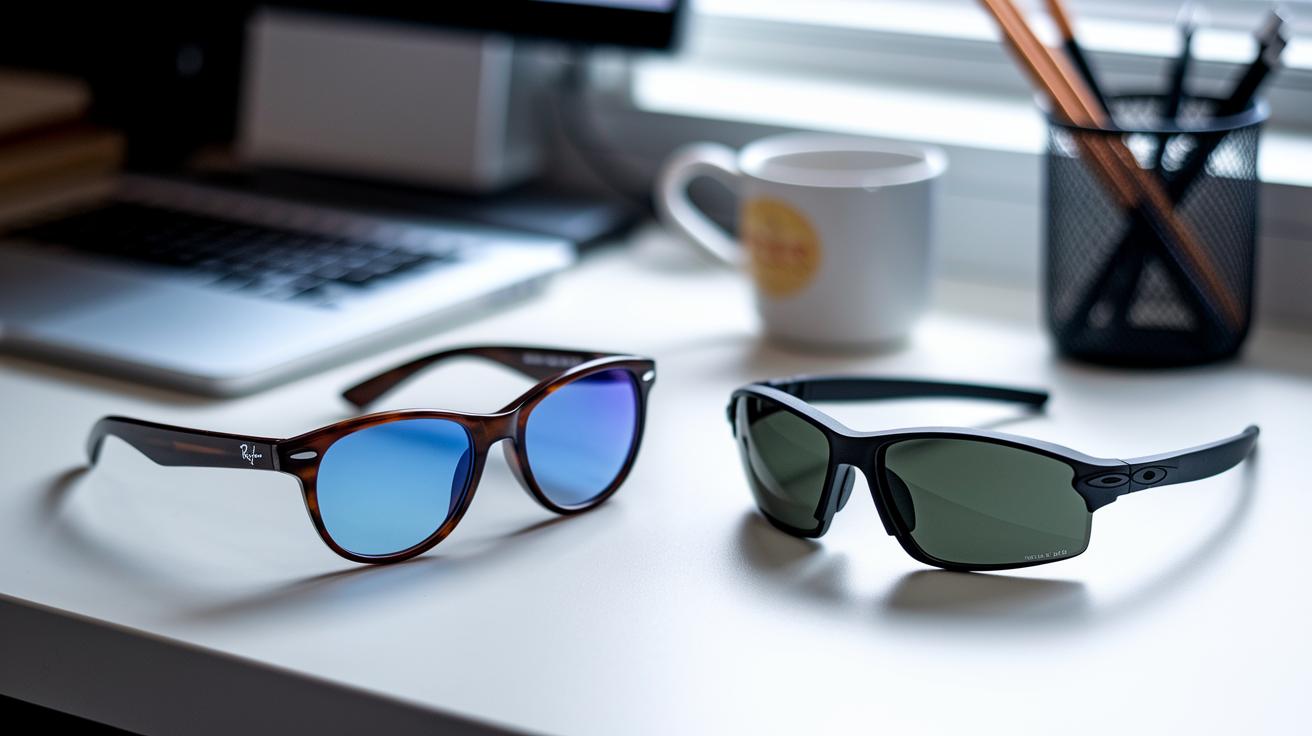
Ray-Ban started with a classic look and has moved into smart eyewear. They combine their timeless style with interactive screens and AI features. This mix appeals to people who value tradition but also want the benefits of modern tech.
Oakley builds on its strong sports legacy to create smart glasses designed to be tough. Their glasses are made to withstand active lifestyles with a sturdy build and a sporty design. They focus on giving you a reliable product even in demanding real-world situations.
Meta is shifting its focus to smart spectacles that use proactive AI and spatial computing. Their devices come with smart features that predict your needs and give contextual information. This positions Meta as a leader in making interactive optical technology more intuitive.
Even Realities takes a subtler route. They use discreet frames paired with innovative HAOS™ technology to offer smooth augmented reality experiences. Their design is low-key but powerful, making it ideal for users who favor a minimal look without sacrificing performance.
XReal delivers a cinematic experience with its AR glasses. They use 3DOF tracking (three-dimensional tracking) and high-quality displays to provide immersive visuals. If you want style mixed with top-notch interactive features, XReal has you covered.
Final Words
In the action, we explored market trends, design details, and functional features of ai powered smart glasses. We broke down specifications, core AI services, and real-world use cases in a way that is easy to follow. Each section offered clear insights, from voice commands to AR overlays and durable builds across different price tiers. This review gives you a practical look at how these devices perform. The future of wearable tech is bright, offering accessible choices for everyone’s needs.
FAQ
Q: What are AI-powered smart glasses?
A: The AI-powered smart glasses integrate digital displays, sensors, and artificial intelligence to offer real-time notifications, augmented reality overlays, voice assistance, and sometimes visual aid features for enhanced everyday use.
Q: What are some of the best AI-powered smart glasses?
A: The best options include models like Ray-Ban Meta, Viture Luma Pro, and Oakley Meta Vanguard, each offering unique features such as AR displays, voice commands, and robust build quality suited for varying needs.
Q: Where can I find AI-powered smart glasses reviews and purchase options?
A: AI-powered smart glasses reviews and purchase details are available on platforms like Amazon, where you can compare specs, read user feedback, and assess performance before buying.
Q: How much do AI smart glasses cost?
A: AI smart glasses generally range from about $249 for entry-level models to around $499 or more for premium versions equipped with advanced AR and enhanced durability features.
Q: Are the Meta AI glasses worth it?
A: The Meta AI glasses combine smart design with integrated AI features, making them worthwhile if you value live assistance and connectivity, though challenges like framing adjustments may affect overall experience.
Q: Can AI glasses correct vision?
A: AI glasses mainly provide digital overlays and augmented information; they do not directly correct vision but some models offer prescription adjustments or assistive features for low vision support.
Q: What are AI-powered smart glasses for visually impaired users?
A: AI-powered smart glasses for visually impaired users come with adaptive settings, enhanced contrast, digital zoom, and voice-guided features designed to assist with daily tasks and improve accessibility.