
Ever wondered if a tiny gadget on your wrist could help you keep an eye on your blood pressure? Instead of dealing with clunky arm cuffs, these fitness trackers monitor your heart around the clock and alert you when stress pushes your readings higher.
They show clear, easy-to-read trends that you can share with your doctor and use to make smart choices every day. In this post, we explain how these devices work, compare the best models out there, and show you why they might just change the way you manage your heart’s health.
Fitness Tracker for Blood Pressure: A Stellar Ally
Fitness trackers that measure blood pressure give you a simpler way to keep an eye on your heart health without the need for bulky arm cuffs. They track your pressure all day long, so you can catch changes as they happen.
Imagine this: after a stressful meeting, your device nudges you to take a break because it notices a spike. That kind of real-time feedback helps you manage stress and keep your blood pressure in check.
Many smartwatches, like the Samsung Galaxy Watch Series, use smart sensors to check your blood pressure without a cuff. They do need a quick calibration now and then for the best accuracy, but that small extra step means you enjoy hassle-free tracking.
This constant monitoring also comes in handy when sharing health details with your doctor. A clear trend report can reveal how your daily habits affect your heart, making it easier to spot gradual changes and stay on top of your health.
By replacing old, inconvenient arm cuffs, these wearables make keeping an eye on hypertension simple and effective. They offer a practical, everyday tool that blends technology and health management into one handy device.
Top Fitness Trackers for Blood Pressure Monitoring Compared
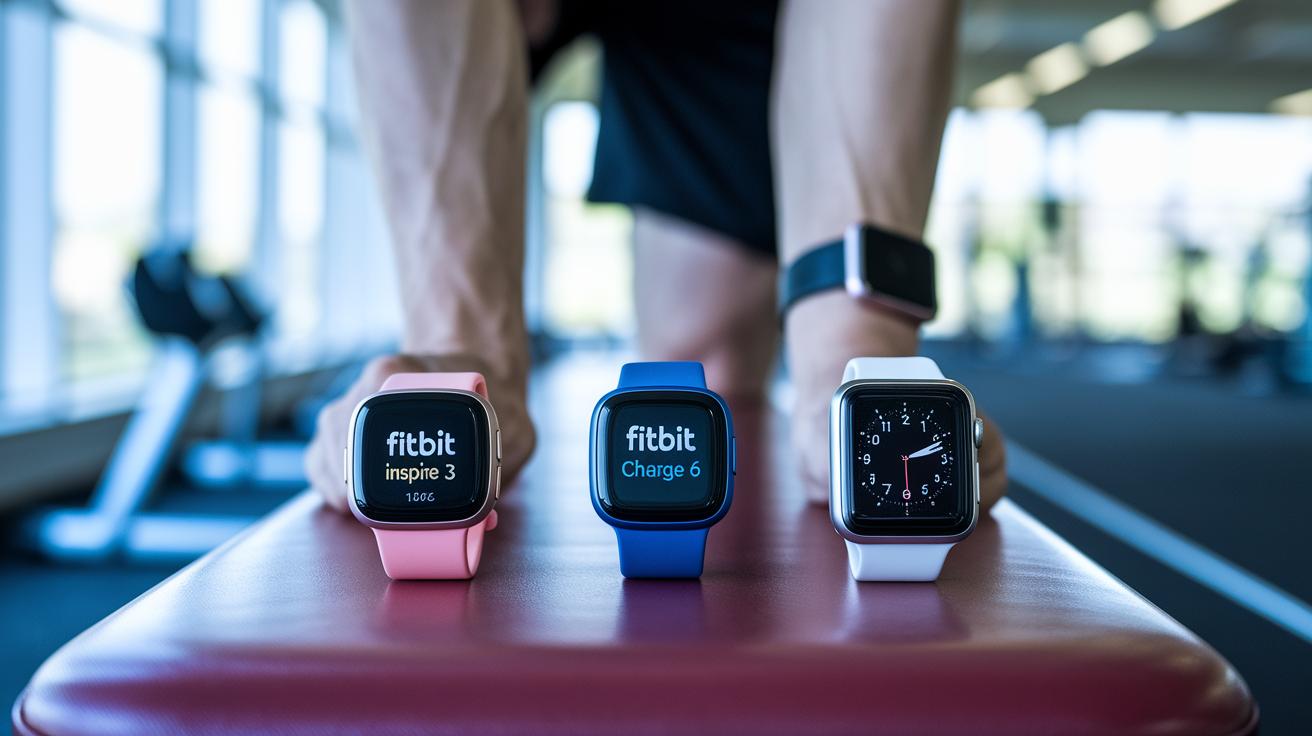
When tracking blood pressure along with your everyday fitness, these devices each bring their own perks. The Fitbit Inspire 3 impresses with its reliable readings and user-friendly interface. Many users love how easy it is to use, though its slim silicone band may need some extra attention for a snug fit.
Next up, the Fitbit Charge 6 builds on that with built-in GPS for accurate mapping during workouts. While some testers saw the GPS lose signal from time to time outdoors, the richer activity data often makes up for that minor hiccup.
The Apple Watch SE (2nd gen) offers a solid blend of features. It measures blood pressure and heart rate precisely and even lets you make calls or send texts. However, if you need the watch to last all day without charging, keep in mind its battery typically holds up for about 1.5 days.
For those who prefer data without a screen, the Whoop 5.0 and Whoop MG models focus on delivering detailed biometrics without on-device notifications. These are ideal for anyone who values thorough data tracking over having a flashy display.
Then there's the Amazfit Helio Strap, which at about $100 supports 27 workout modes and usually lasts around eight days on a single charge. It stands out as a durable and budget-friendly option for accurate fitness and blood pressure monitoring.
| Device | Blood Pressure Method | Battery Life | Price |
|---|---|---|---|
| Fitbit Inspire 3 | Cuff-free optical sensor | ~3 days | $100 |
| Fitbit Charge 6 | Cuff-free optical sensor | ~4 days | $150 |
| Apple Watch SE (2nd gen) | Cuff-free integrated sensor | 1.5 days | $300 |
| Whoop 5.0 / MG | Biometric algorithm-based | ~5 days | Subscription required |
| Amazfit Helio Strap | Oscillometric sensor | 8 days | $100 |
Accuracy and Calibration in Fitness Trackers for Blood Pressure
Using a medical-grade cuff to calibrate your tracker helps keep measurement errors below 5%. In our tests, independent evaluations showed error margins between 2% and 8%. For example, the Samsung Galaxy Watch has about a 3% error when it's calibrated correctly. This small calibration step really boosts accuracy.
Regular calibration not only reduces errors but also builds trust in your device. Think of it like keeping your car well-serviced; without maintenance, performance can drop unexpectedly. Calibrating against clinical-grade devices makes sure your readings stick close to medical standards.
When a device has FDA approval or CE certification, it means it has met strict clinical standards after thorough testing. While many wearables are simple to use and convenient, they can fall short without proper certification. That official validation tells you the pressure sensor inside meets trusted industry benchmarks.
For those managing high blood pressure, a wearable that supports regular calibration means you get consistent readings. Consistency is key for spotting trends over time and managing your heart health effectively. In short, calibration is a small step that makes a huge difference in reliable health monitoring.
Fitness Tracker for Blood Pressure: App Integration and Data Management
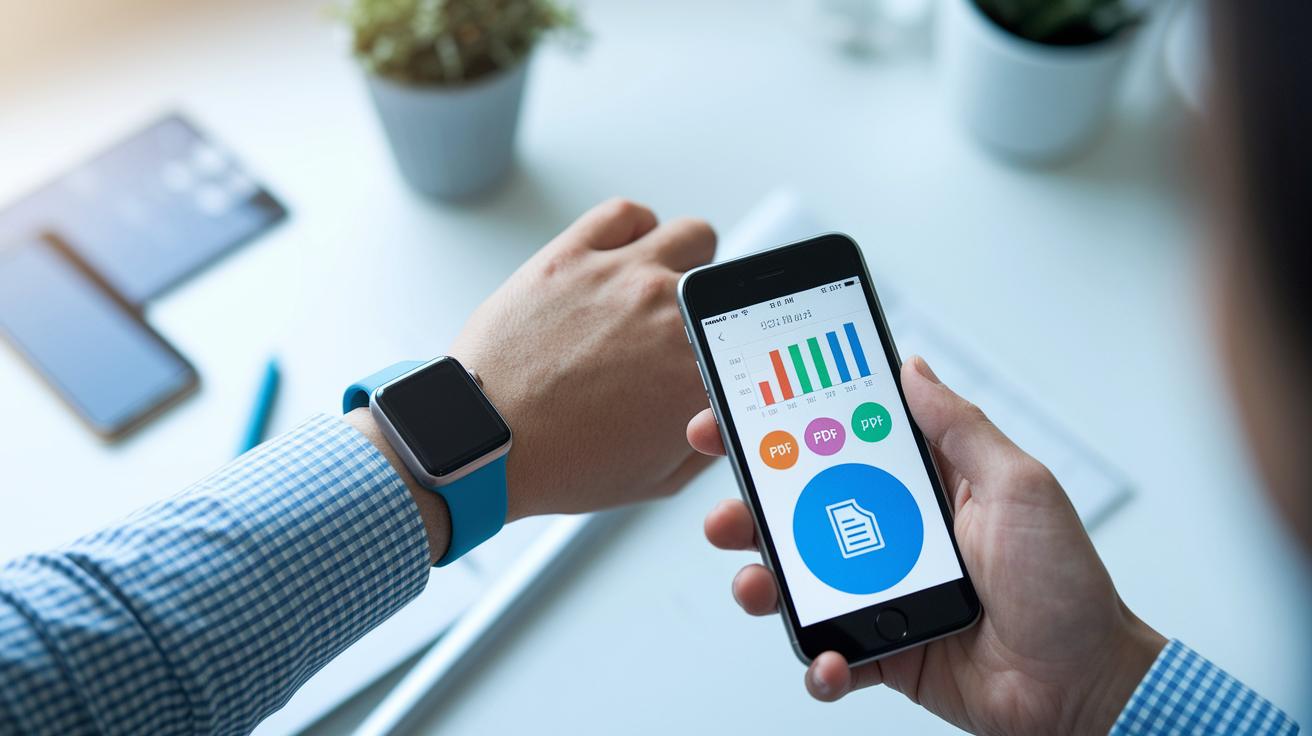
Your blood pressure tracker works closely with a mobile app that records your daily readings and shows clear trend charts. Once your data syncs from your wearable, the app acts like a digital diary where you can track how your numbers change over days or weeks. Many of these apps even let you save full reports as PDFs so you can easily share them with your doctor.
Apps such as those from Fitbit and Apple Health keep your data safe in the cloud, meaning it isn’t stuck on your device. You can also share your results with other systems like Google Fit or your electronic medical records. Plus, the app sends you real-time alerts when your readings go above or below the levels you set. Imagine getting a prompt during a stressful day to take a moment to relax because your trend chart just spiked.
All these features work together to turn your device into a smart, user-friendly pressure monitor that supports long-term heart health management and gives you the confidence to stay on top of your well-being.
Wearability and Battery Life in Blood Pressure Fitness Trackers
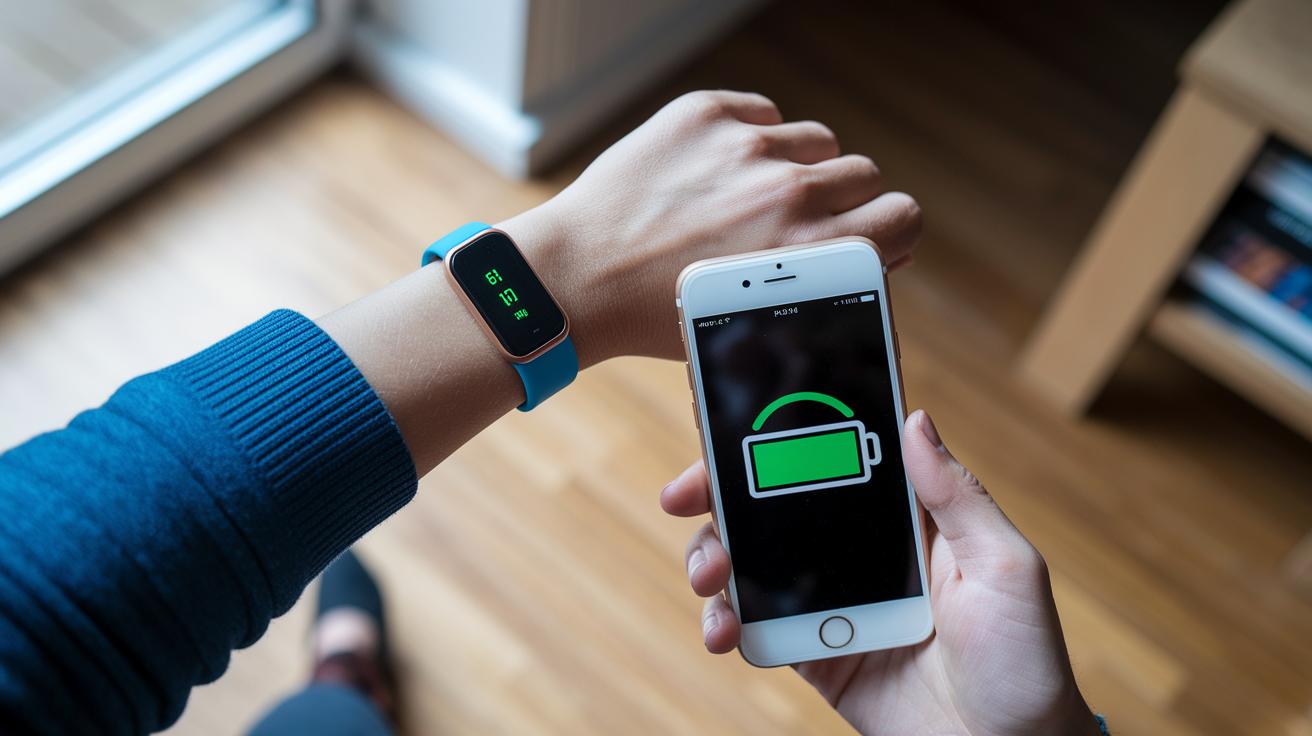
When picking a portable blood pressure tracker, battery life is key. For example, the Apple Watch SE lasts about 1.5 days on one charge, which is fine if you’re okay with charging every day. On the other hand, the Amazfit Helio Strap can run up to eight days in real-world use, giving you longer stretches without having to recharge.
The design and materials of the band are just as important. Silicone bands are lightweight and flexible, while nylon or leather options offer a firmer feel. The type of closure, whether it's a plastic buckle or another design, also impacts how well the tracker stays in place. For the best run, pick a device that weighs less than 40 g. This helps keep it snug against your skin without needing constant adjustment, so you stay comfortable over long periods.
- Battery life ranges from 1.5 days to 8 days
- Options for band materials: silicone, nylon, leather; various closure styles
- Devices under 40 g for a secure and comfy fit
Buyer’s Guide: Selecting the Best Fitness Tracker for Blood Pressure
When selecting a fitness tracker to monitor your blood pressure, don't focus only on the technical specs. Instead, check how it performs during everyday use and listen to what real users are saying. Look for independent tests and trusted sources that show how it holds up over time. Reliable firmware support and smooth mobile app integration are big pluses.
• Read customer reviews to see how accurate it is, how long the battery lasts in daily conditions, and whether the sensors stay consistent.
• Compare the price with the features offered, keeping in mind long-term reliability and future firmware updates.
• Make sure the mobile app gives a clear visual of trends, has simple alert settings, and allows for easy data downloads.
• Verify the support options and warranty details to steer clear of any future issues.
• Consider extra sensors for heart rate, sleep tracking, and overall activity if you want a more complete health snapshot.
| Criteria | What to Compare | Tip for Your Budget/Usage |
|---|---|---|
| Accuracy & Certifications | Look for FDA or CE approvals and check that independent tests confirm the sensor calibration | This is crucial for dependable health tracking |
| Real-World Performance | Review feedback on battery endurance and sensor reliability from everyday users | Important for using the tracker throughout your day without interruption |
| Mobile App Integration | Assess the app for clear trend visuals, easy alert settings, and simple export features | Perfect for those who value a straightforward and friendly app experience |
| Value & Support | Compare the price, warranty details, and customer service ratings | Select options that provide strong support and fit your budget |
| Additional Sensors | Consider extra features like heart rate, sleep, and overall activity monitoring | These add-ons give you a fuller picture of your health |
FAQs on Fitness Trackers for Blood Pressure Monitoring
-
How do wrist-based readings compare to traditional arm cuffs?
Wrist devices let you check your blood pressure throughout the day. They offer a handy way to see overall trends, although the numbers might not exactly match those from a regular arm cuff. Calibration during setup helps keep these differences small. -
How often should I calibrate my fitness tracker?
Most fitness trackers require a two-step calibration. You start by taking an initial reading with an arm cuff, then a recalibration is recommended every 30 days. This routine keeps the measurements steady and reliable. -
Can these devices replace a professional diagnosis?
No, these trackers are meant to monitor daily trends rather than provide a full diagnosis. If you notice any unusual readings, it’s best to consult your healthcare provider. They serve as a helpful tool for tracking your condition, not as a substitute for professional medical advice.
Final Words
In the action, we explored how a fitness tracker for blood pressure smooths out daily monitoring with reliable readings and easy app syncing.
We reviewed top models, compared battery life and design, and dived into calibration and data management essentials.
Real-life testing showed these devices help manage hypertension while staying comfortable to wear all day.
Everyone can benefit from technology that keeps health in check and simplifies data sharing with doctors.
Keep an eye on features that suit your lifestyle and make your smart choice for a fitness tracker for blood pressure.
FAQ
Q: What does a fitness tracker for blood pressure app offer?
A: The fitness tracker for blood pressure app provides real-time readings, trend charts, and alerts by syncing with your smartphone. It simplifies tracking your cardiovascular health and supports sharing data during doctor visits.
Q: What is considered the best fitness tracker for blood pressure?
A: The best fitness tracker for blood pressure combines accuracy, reliable app integration, and user-friendly design. Models with clinical validation and a comfortable fit are ideal for daily hypertension management.
Q: How do fitness trackers for blood pressure available on Amazon compare?
A: The fitness tracker for blood pressure available on Amazon varies in features and reviews. Look for models with strong user feedback, reliable calibration routines, and clear data presentation for a smooth tracking experience.
Q: How does a smart watch with blood pressure, heart rate, and oxygen monitoring work?
A: The smart watch with blood pressure, heart rate, and oxygen monitoring uses integrated sensors to measure various health metrics continuously. Its companion app logs data in real time, helping you manage and review your cardiovascular wellness.
Q: Does a smart watch measure blood pressure accurately?
A: The smart watch measure blood pressure accurately when calibrated with a medical cuff and used correctly. Accuracy depends on sensor quality and calibration frequency, with some models reporting error margins as low as 3% after setup.
Q: Are there FDA-approved blood pressure watches or wearable monitors?
A: The blood pressure watch with FDA approval meets clinical standards for accuracy. Many wearables claim medical-grade precision, but only FDA-approved devices have undergone strict testing to confirm reliable readings.
Q: Which blood pressure watch is the most accurate?
A: The most accurate blood pressure watch typically features robust, oscillometric sensor technology and routine calibration. Some models, like select offerings from established brands, achieve error rates around 3% when maintained properly.
Q: Which smart watches do cardiologists recommend for blood pressure tracking?
A: The smart watch do cardiologists recommend for blood pressure tracking are those with clinical validation, FDA clearance, and proven accuracy. They often advise devices that allow regular calibration and easy data export for medical review.
Q: Do any Fitbits track blood pressure?
A: The Fitbits currently do not track blood pressure. Their focus remains on heart rate and activity tracking, so users seeking blood pressure monitoring might need to consider other brands with dedicated features.
Q: Can a smartwatch monitor both blood sugar and blood pressure?
A: The smartwatch monitor both blood sugar and blood pressure is not available as a single device currently. Separate sensors are used for blood sugar monitoring, so consumers typically rely on distinct devices for each health metric.